

Emergency & Help
24/7 Emergency & General Advisory
🚨 24/7 Medical Emergency
Non-Emergency Advisory
10:00 AM – 6:00 PM, Mon–Sat
For appointments & general queries.
24/7 Emergency & General Advisory
🚨 24/7 Medical Emergency
Non-Emergency Advisory
10:00 AM – 6:00 PM, Mon–Sat
For appointments & general queries.
Navigating the cost and access of birth control in India can be challenging. This guide explores affordable options, including government schemes, NGOs, and telemedicine, to help you make informed choices about your reproductive health.

Deciding to use birth control is a significant personal choice, and ensuring you have access to it, especially at a reasonable cost, is paramount. In India, like many places globally, concerns about affordability and accessibility can arise. This guide aims to demystify how you can access birth control options, whether you have insurance, are uninsured, or are looking for cost-effective solutions. We understand that navigating healthcare systems can be daunting, so we've broken down the key avenues to help you make informed decisions about your reproductive health.
The price of birth control can vary widely. Several factors influence the final cost:
Generally, individuals with insurance might expect to spend anywhere from ₹100 to ₹2000 annually for birth control, depending on the method and their plan. For those without insurance, the annual cost could range from ₹2000 to ₹6000 or more, unless they qualify for assistance programs. A typical doctor's consultation for a prescription might cost between ₹200 to ₹500.
Fortunately, several avenues exist in India to access birth control at lower costs or even for free. Here’s where you can look:
Government-run facilities are often the most accessible and affordable option. These centers provide a range of services, including family planning and contraception, often at highly subsidized rates or even free of charge for eligible individuals. They are strategically located across both urban and rural areas, making them a primary resource for many.
What to do next: Visit your nearest government hospital or Primary Health Center. Speak to the healthcare provider or the family planning department to understand the available methods and eligibility criteria for subsidized services.
India has several national health missions and schemes aimed at improving reproductive and child health. Programs like the Janani Shishu Suraksha Karyakram (JSSK) aim to provide essential maternal and child health services, which can include access to family planning methods. Eligibility and specific benefits can vary, so it’s worth inquiring about these.
What to do next: Ask healthcare providers at government facilities about specific schemes you might be eligible for. You can also check the Ministry of Health and Family Welfare website for details.
Many NGOs and charitable organizations in India are dedicated to providing comprehensive reproductive health services, including affordable or free birth control. These organizations often work in underserved communities and aim to bridge the gap in access.
Scenario: Priya lives in a semi-urban area and recently lost her job, making it difficult to afford her monthly birth control pills. She hears about a local NGO that offers family planning services at a very low cost. She decides to visit their clinic, where she receives her prescription and a supply of pills at a fraction of her usual cost, easing her financial burden.
What to do next: Search online for NGOs or charitable clinics in your city that focus on women's health or family planning. Websites like GuideStar India or local directories might list such organizations.
While private clinics can sometimes be more expensive, some have partnered with government initiatives or offer their own subsidized programs for low-income individuals. It’s always worth inquiring directly with the clinic about their pricing and any available assistance.
What to do next: Call private clinics in your area and ask specifically about their birth control costs and if they have any discount or subsidy programs available.
The rise of telemedicine has made accessing healthcare more convenient. Several platforms now offer online consultations with doctors who can prescribe birth control. You can then often order your prescription through integrated online pharmacies, which may offer competitive pricing and home delivery.
Important Considerations for Telemedicine:
What to do next: Research reputable telemedicine providers in India. Look for services that specialize in women's health or reproductive health. Compare consultation fees and prescription costs.
Understanding the different types of birth control can help you choose the most suitable and accessible option:
These are the most common form of reversible contraception. They are taken daily and are widely available at pharmacies. Government health centers and NGOs often provide them at very low costs.
Administered by a healthcare professional every few months, these are also available through government facilities and some private clinics. Their cost is generally moderate.
These are long-acting reversible contraceptives (LARCs) that offer highly effective, long-term protection. While they have a higher initial cost, they can be very cost-effective over 5-10 years. Access might be more limited to clinics that can perform the insertion procedure, often found in government hospitals, larger private hospitals, and some specialized family planning centers.
Condoms (male and female) are widely available at pharmacies and even some retail stores. They are relatively inexpensive and provide protection against both pregnancy and sexually transmitted infections (STIs). Emergency contraceptive pills are also available over-the-counter in most pharmacies.
While this guide provides information on accessing birth control, it's always best to consult with a healthcare professional. You should definitely see a doctor if you:
A doctor can assess your health, discuss your lifestyle, and help you choose the safest and most effective method. They can also guide you on where to access these methods affordably in your area.
Yes, you can access free birth control through government hospitals, Primary Health Centers (PHCs), and certain NGOs, especially if you meet specific eligibility criteria related to income or are part of a government health program. Availability of free options depends on the specific facility and the methods they stock.
A consultation for birth control at a government facility is often free or very low cost. In private clinics, you can expect to pay anywhere from ₹200 to ₹500 for a consultation, excluding the cost of the medication or procedure itself.
Reputable online pharmacies that operate legally and sell genuine medications are generally safe. Always ensure the pharmacy is licensed and check reviews. For prescription birth control, you will need a valid prescription from a qualified doctor, which can often be obtained through telemedicine services.
If you miss a birth control pill, refer to the specific instructions provided with your medication or consult your doctor or pharmacist immediately. Generally, you should take the missed pill as soon as you remember and continue with your regular schedule. You might need to use a backup method of contraception for a short period.
While some methods like condoms and emergency contraceptive pills are available over-the-counter, most prescription birth control methods, including oral contraceptive pills, injections, IUDs, and implants, require a prescription from a qualified healthcare provider.
Visit Hospital
Near You
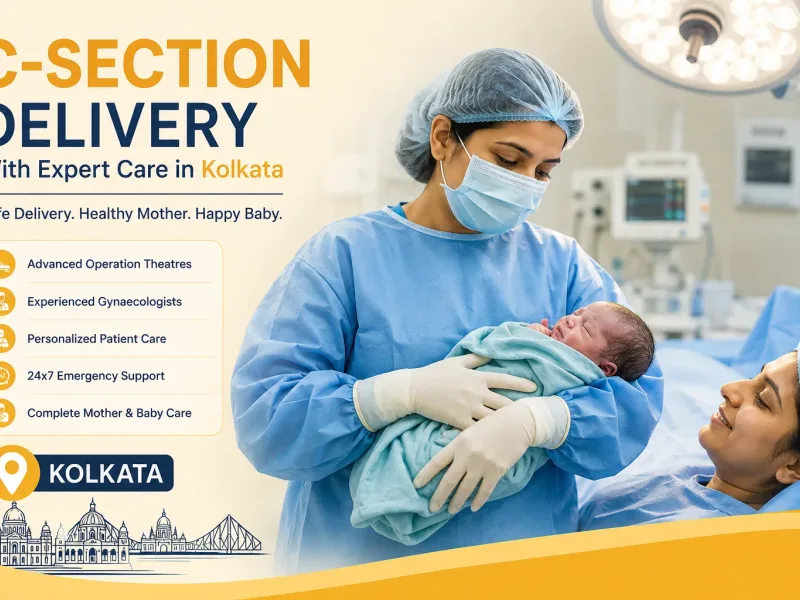
A cesarean section (C-section) is a surgical delivery in which a baby is born through an incision in the mother's abdomen and uterus. In Kolkata, several experienced obstetricians and well-equipped hospitals offer C-section services for planned and emergency deliveries. Understanding when a C-sectio
July 31, 2026
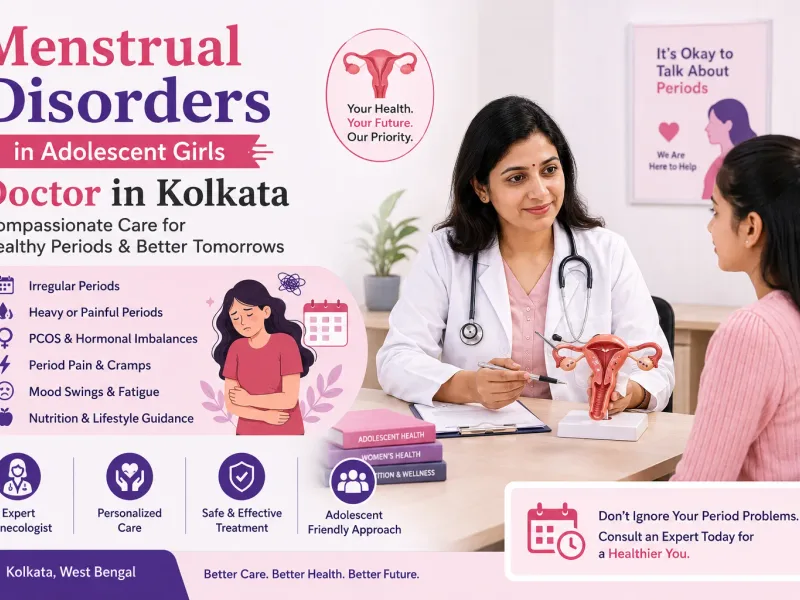
If you are searching for a Menstrual Disorders in Adolescent Girls Doctor in Kolkata, early evaluation by an experienced gynecologist can help identify the underlying cause of irregular or painful periods. While menstrual irregularities are common during the first few years after puberty, persistent
July 31, 2026
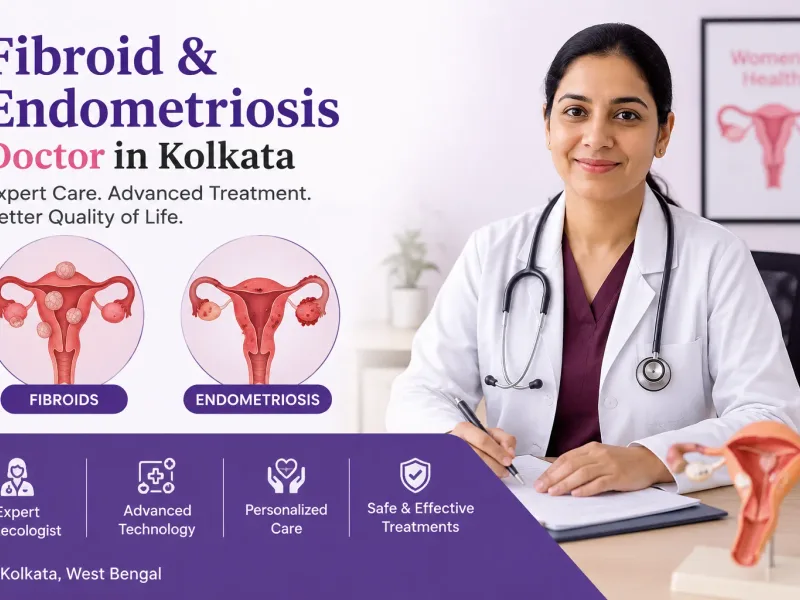
If you are searching for a Fibroid & Endometriosis doctor in Kolkata, choosing an experienced gynecologist with expertise in minimally invasive gynecological surgery is essential. Uterine fibroids and endometriosis are two common but different conditions that can cause pelvic pain, heavy menstrual b
July 31, 2026