

Emergency & Help
24/7 Emergency & General Advisory
🚨 24/7 Medical Emergency
Non-Emergency Advisory
10:00 AM – 6:00 PM, Mon–Sat
For appointments & general queries.
24/7 Emergency & General Advisory
🚨 24/7 Medical Emergency
Non-Emergency Advisory
10:00 AM – 6:00 PM, Mon–Sat
For appointments & general queries.
Discover the rare possibility of allergic reactions to birth control, understand the symptoms, causes, and what steps to take. Learn about finding safe alternatives.

Navigating the world of birth control can feel overwhelming, and sometimes, unexpected issues can arise. One of the less common, yet significant, concerns is an allergic reaction to birth control. While the thought might be alarming, understanding the signs, causes, and what to do is key. Let's break down this rare possibility in a way that's easy to grasp for everyone in India. What Exactly is an Allergic Reaction to Birth Control? First off, it's important to distinguish between a side effect and a true allergic reaction. Side effects are what your body might experience as it adjusts to the hormones in your birth control. Think things like mood swings, nausea, or sore breasts. These are generally temporary and part of the hormonal adjustment. An allergic reaction, however, is your immune system going into overdrive, mistaking a component of the birth control as a threat. It's an overreaction to something that, for most people, is perfectly harmless. True allergies to birth control are incredibly rare – far rarer than people often assume. For methods like birth control shots, implants, or IUDs, less than 1 in 1,000 people might experience a genuine allergy. The Rare Reality: Allergies to Hormonal Birth Control When we talk about hormonal birth control – pills, patches, shots, implants, and IUDs – true allergies are uncommon. The hormones themselves (like estrogen or progestin) are very similar to hormones your body naturally produces. So, your immune system is unlikely to flag them as foreign invaders. However, it's not impossible to be allergic to other ingredients present in these methods. These could include dyes in pills, adhesives on patches, or even the materials used in implants or IUDs. For instance, polyethylene glycol (PEG), a common ingredient in many medications, has been identified as a potential allergen in the birth control shot (Depo-Provera). If you've reacted to PEG in other medicines, there's a higher chance of reacting to it in the shot. Similarly, allergic reactions to the implant are exceedingly rare; a 2021 study found only three cases over three decades! The numbing agent used during insertion might even be more likely to cause a reaction than the implant itself. Non-Hormonal Methods and Allergies What about birth control methods that don't rely on hormones? Here, the chances of an allergic reaction can be slightly higher, often due to latex or spermicides. Latex condoms and dental dams, for example, can trigger reactions in individuals with latex allergies, which affect about 4.3% of the global population. Symptoms can range from mild itching and redness to more severe reactions. Spermicides, chemicals used to kill sperm, can also cause irritation or allergic reactions in some individuals, leading to itching, burning, or rashes. Spotting the Signs: Symptoms of an Allergic Reaction Recognizing an allergic reaction is crucial. While symptoms can overlap with side effects, certain signs point more strongly towards an allergy. It’s important to remember that these are rare occurrences: Skin Reactions: This is perhaps the most common sign. You might notice redness, itching, hives, rashes, or a burning sensation at the site of application (like a patch or implant) or a more generalized rash. Contact dermatitis from the adhesive on birth control patches is a known, though still uncommon, issue. Swelling: Swelling, particularly at the injection site for the shot or around an implant, could be a sign. More concerning would be swelling of the face, lips, or tongue, which can indicate a more severe reaction. Breathing Difficulties: If you experience wheezing, shortness of breath, or tightness in your chest, seek immediate medical attention. This could be a sign of anaphylaxis, a life-threatening allergic reaction. Gastrointestinal Upset: While nausea and vomiting can be hormonal side effects, if they are sudden, severe, and accompanied by other allergy symptoms, they warrant attention. Dizziness or Fainting: Feeling lightheaded or fainting is a serious symptom that requires immediate medical evaluation. When to Worry: Severe Allergic Reactions (Anaphylaxis) A severe allergic reaction, known as anaphylaxis, is a medical emergency. If you experience any of the following, head to the nearest emergency room or call your local emergency services immediately: Difficulty breathing or wheezing Swelling of the throat, lips, or tongue A sudden drop in blood pressure (feeling faint or dizzy) Rapid heartbeat Severe hives or itching all over the body Vomiting or diarrhea These symptoms can appear very quickly after exposure to the allergen and require urgent treatment. What Causes These Reactions? As mentioned, allergies are typically reactions to specific ingredients. For birth control, these can include: Hormones: While rare, some individuals might be sensitive to the synthetic hormones themselves. Inactive Ingredients: This is more common. Think dyes, preservatives, fillers in pills, adhesives in patches, or materials like polyethylene or silicone in implants and IUDs. Latex: If you're using latex condoms or dental dams and have a known latex allergy. Spermicides: Chemicals designed to prevent pregnancy can cause irritation or allergic responses. Anesthesia: The local anesthetic used for insertions (like implants or IUDs) can sometimes cause a reaction. Diagnosis: How Doctors Figure It Out If you suspect an allergic reaction to your birth control, the first step is to talk to your doctor. They will: Take a Detailed History: They'll ask about your symptoms, when they started, what birth control method you're using, and any other medications or allergies you have. Physical Examination: They will examine any skin reactions or other physical signs. Rule Out Other Causes: It's vital to differentiate between side effects, allergies, and other medical conditions. Your doctor will consider all possibilities. Allergy Testing: In some cases, if a specific ingredient is suspected, allergy testing might be recommended, though this is less common for birth control components compared to other allergens. Treatment and Management The primary treatment for a confirmed allergic reaction is to stop using the offending birth control method . Your doctor will then work with you to find a suitable alternative. For Mild Reactions: Antihistamines might be prescribed to manage itching and rashes. Topical creams could help soothe skin irritation. For Severe Reactions (Anaphylaxis): This requires immediate emergency medical treatment, usually with epinephrine (adrenaline) and close monitoring. Finding Alternatives: This is where you and your doctor collaborate. If you're allergic to one method, there are many others to explore. For example, if you react to a patch's adhesive, a pill or IUD might be a better fit. If you have a latex allergy, non-latex condoms are readily available. Open communication with your healthcare provider is key to finding a safe and effective method for you. Prevention: Being Proactive While you can't always predict an allergy, being informed helps: Know Your Allergies: If you have known allergies (like latex), inform your doctor and choose methods that avoid those allergens. Read Ingredients: If possible, review the inactive ingredients in your birth control, especially if you have a history of sensitivities. Patch Test: For methods like patches, some people might choose to test a small area of skin first, although this isn't standard practice. Start with Simpler Methods: Sometimes, starting with a method less likely to contain complex allergens (like a basic birth control pill) might be preferable if you have a history of sensitivities. When to Consult a Doctor You should consult your doctor if: You experience any new, concerning symptoms after starting a new birth control method. You suspect your symptoms might be more than just a common side effect. You have a history of allergies and are starting a new birth control method. You experience any of the severe symptoms of anaphylaxis (seek emergency care immediately). Remember, allergic reactions to birth control are rare, but being informed empowers you to take the right steps for your health. Your comfort and safety are paramount, and there are many options available to ensure you find a birth control method that works well for you. Frequently Asked Questions (FAQs) Q1: Are allergic reactions to birth control pills common? A: No, true allergic reactions to birth control pills are very rare. Most reactions are typically mild side effects as your body adjusts to the hormones, or sensitivities to inactive ingredients like dyes. Q2: Can I be allergic to the hormones in birth control? A: It is extremely rare to be allergic to the hormones themselves, as they are similar to those naturally present in your body. Reactions are more often linked to other ingredients. Q3: What should I do if I think I'm having an allergic reaction to my birth control? A: Stop using the birth control method and consult your doctor immediately. If you experience severe symptoms like difficulty breathing or swelling of the face/throat, seek emergency medical help right away. Q4: Are IUDs or implants more likely to cause allergies? A: While reactions are still rare, some people might be sensitive to the materials used in IUDs or implants, or the numbing agent used during insertion. True allergies to the implant itself are exceptionally uncommon. Q5: What are the best alternative birth control options if I have allergies? A: This depends entirely on what
In summary, timely diagnosis, evidence-based treatment, and prevention-focused care improve long-term health outcomes.
Visit Hospital
Near You

A cesarean section (C-section) is a surgical delivery in which a baby is born through an incision in the mother's abdomen and uterus. In Kolkata, several experienced obstetricians and well-equipped hospitals offer C-section services for planned and emergency deliveries. Understanding when a C-sectio
July 31, 2026
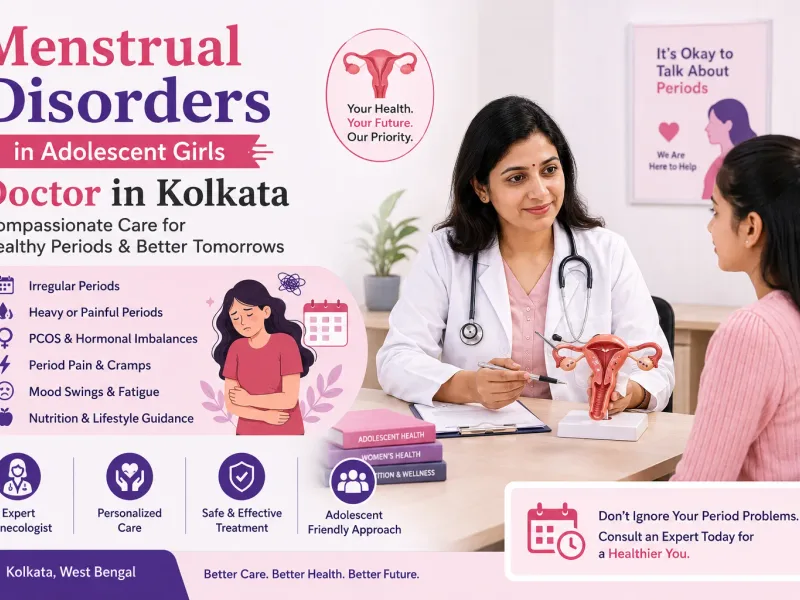
If you are searching for a Menstrual Disorders in Adolescent Girls Doctor in Kolkata, early evaluation by an experienced gynecologist can help identify the underlying cause of irregular or painful periods. While menstrual irregularities are common during the first few years after puberty, persistent
July 31, 2026
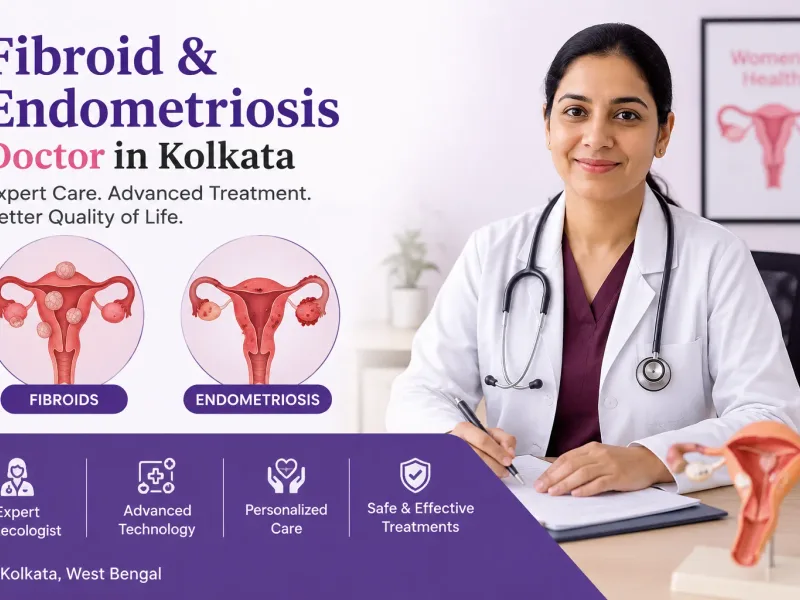
If you are searching for a Fibroid & Endometriosis doctor in Kolkata, choosing an experienced gynecologist with expertise in minimally invasive gynecological surgery is essential. Uterine fibroids and endometriosis are two common but different conditions that can cause pelvic pain, heavy menstrual b
July 31, 2026