

Emergency & Help
24/7 Emergency & General Advisory
🚨 24/7 Medical Emergency
Non-Emergency Advisory
10:00 AM – 6:00 PM, Mon–Sat
For appointments & general queries.
24/7 Emergency & General Advisory
🚨 24/7 Medical Emergency
Non-Emergency Advisory
10:00 AM – 6:00 PM, Mon–Sat
For appointments & general queries.
Explore the potential genetic links to ovarian cysts, understanding their types, symptoms, diagnosis, and treatment options for women's health.

Understanding Ovarian Cysts and Their Potential Genetic Link Ovarian cysts are fluid-filled sacs that can develop on a woman's ovaries. They are quite common and often go unnoticed because they don't cause any symptoms. However, when symptoms do arise, they can be concerning. A question that often comes up is whether ovarian cysts can be genetic. While research is ongoing, there is evidence suggesting a potential genetic component for some types of ovarian cysts, often linked to underlying conditions like endometriosis and Polycystic Ovary Syndrome (PCOS). What are Ovarian Cysts? Ovaries are part of the female reproductive system, responsible for producing eggs and hormones like estrogen and progesterone. Ovarian cysts are sacs that grow on the ovaries. They can vary in size and are usually benign (non-cancerous). They are broadly categorized into two main groups: Functional Cysts These are the most common type and are closely related to the menstrual cycle. They typically form during the process of ovulation and usually disappear on their own within a few menstrual cycles. The two main types of functional cysts are: Follicular Cysts: These form when a follicle (a sac that normally holds an egg) doesn't rupture to release an egg. Instead, it grows and fills with fluid. Corpus Luteum Cysts: After a follicle releases an egg, it forms a structure called the corpus luteum. If the opening where the egg was released seals off, fluid can accumulate, forming a cyst. Pathological Cysts These cysts are not related to the menstrual cycle and arise from abnormal cell growth. While most pathological cysts are benign, a small percentage can be cancerous. Examples include: Endometriomas: These cysts are associated with endometriosis, a condition where tissue similar to the uterine lining grows outside the uterus. Dermoid Cysts: These are a type of germ cell tumor that can contain different types of tissue, such as hair, skin, or teeth. Cystadenomas: These develop from the surface of the ovary and can be filled with a watery or mucous-like substance. The Genetic Connection to Ovarian Cysts While not all ovarian cysts are genetic, there is evidence suggesting that genetic factors can increase the likelihood of developing certain types of cysts. Here's how: Hormonal Influences Hormone fluctuations play a significant role in the formation of ovarian cysts. If an individual inherits genetic mutations that affect hormone regulation, they might be more predisposed to developing ovarian cysts. These genetic variations can influence how the ovaries respond to hormonal signals, potentially leading to cyst formation. Underlying Medical Conditions Conditions like endometriosis and PCOS are strongly linked to ovarian cysts and may have a genetic component. Endometriosis: This condition, where uterine-like tissue grows outside the uterus, can lead to the formation of endometriomas (chocolate cysts) on the ovaries. While the exact cause of endometriosis is not fully understood, family history and genetic predisposition are considered significant factors. Studies suggest that women with a close relative (mother, sister, aunt) with endometriosis are more likely to develop the condition themselves. Polycystic Ovary Syndrome (PCOS): PCOS is a hormonal disorder common among women of reproductive age. It's characterized by irregular periods, excess male hormones, and polycystic ovaries (ovaries that may develop numerous small cysts). PCOS is known to have a strong genetic link, with several genes implicated in its development. Women with PCOS often experience recurrent ovarian cysts. Dermoid Cysts and Family History Some research indicates a potential genetic link for dermoid cysts. An older study from 2003 found that individuals with a first-degree family relative who had dermoid cysts were more likely to develop them. This suggests that certain genetic predispositions might influence the development of these specific types of cysts. Symptoms of Ovarian Cysts Many ovarian cysts, especially functional ones, cause no symptoms and are discovered incidentally during routine pelvic exams or imaging for other reasons. However, when symptoms do occur, they can include: Pelvic Pain: This can range from a dull ache to sharp, sudden pain. It may be more noticeable during menstruation or intercourse. Bloating or Swelling: A feeling of fullness in the abdomen. Abdominal Discomfort: Pain in the lower abdomen or back. Changes in Menstrual Cycle: Irregular periods, lighter or heavier bleeding than usual. Pain During Bowel Movements or Urination: If the cyst presses on these organs. Nausea and Vomiting: Especially if the cyst causes the ovary to twist (torsion) or rupture. It's important to note that these symptoms can also be indicative of other conditions, so medical evaluation is crucial. Diagnosis of Ovarian Cysts If you experience symptoms suggestive of an ovarian cyst, your doctor will likely perform a pelvic examination. To confirm the diagnosis and assess the cyst, they may recommend: Ultrasound: This is the primary imaging technique used to detect ovarian cysts. It uses sound waves to create images of the ovaries, allowing doctors to determine the cyst's size, shape, location, and whether it's fluid-filled or solid. Blood Tests: These can help check hormone levels and detect certain tumor markers (like CA-125), which might indicate a higher risk of cancer, especially in postmenopausal women or if the cyst appears suspicious on ultrasound. Laparoscopy: In some cases, a minimally invasive surgical procedure called laparoscopy might be used for diagnosis and treatment. A small incision is made in the abdomen, and a thin, lighted tube (laparoscope) is inserted to view the ovaries and remove the cyst if necessary. Treatment Options The treatment for ovarian cysts depends on several factors, including
In summary, timely diagnosis, evidence-based treatment, and prevention-focused care improve long-term health outcomes.
Visit Hospital
Near You

A cesarean section (C-section) is a surgical delivery in which a baby is born through an incision in the mother's abdomen and uterus. In Kolkata, several experienced obstetricians and well-equipped hospitals offer C-section services for planned and emergency deliveries. Understanding when a C-sectio
July 31, 2026
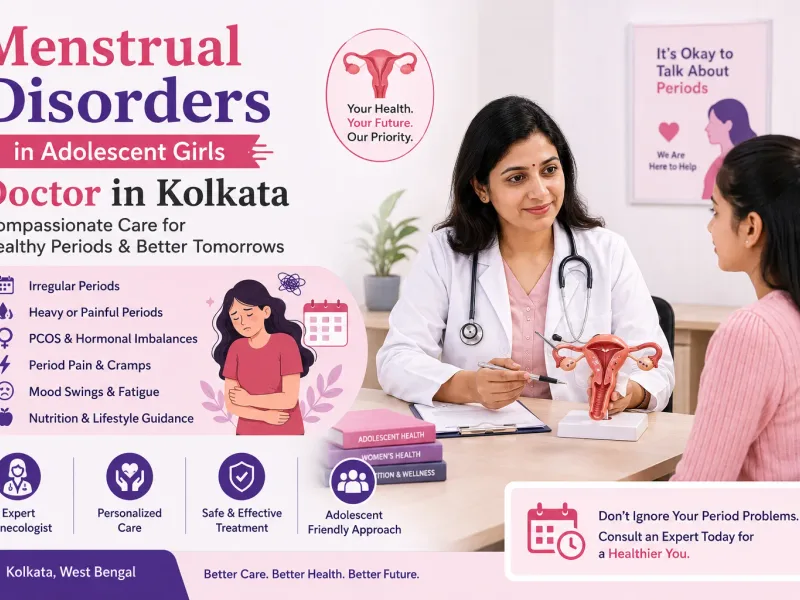
If you are searching for a Menstrual Disorders in Adolescent Girls Doctor in Kolkata, early evaluation by an experienced gynecologist can help identify the underlying cause of irregular or painful periods. While menstrual irregularities are common during the first few years after puberty, persistent
July 31, 2026
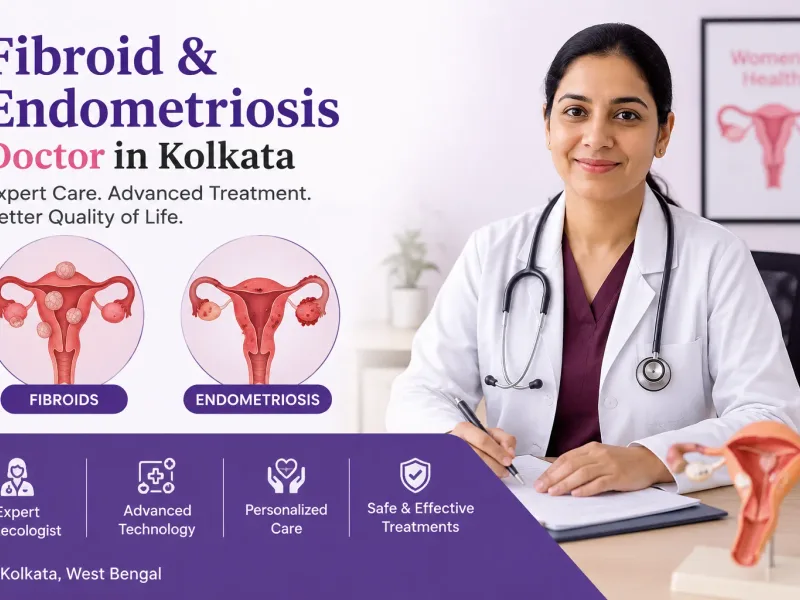
If you are searching for a Fibroid & Endometriosis doctor in Kolkata, choosing an experienced gynecologist with expertise in minimally invasive gynecological surgery is essential. Uterine fibroids and endometriosis are two common but different conditions that can cause pelvic pain, heavy menstrual b
July 31, 2026