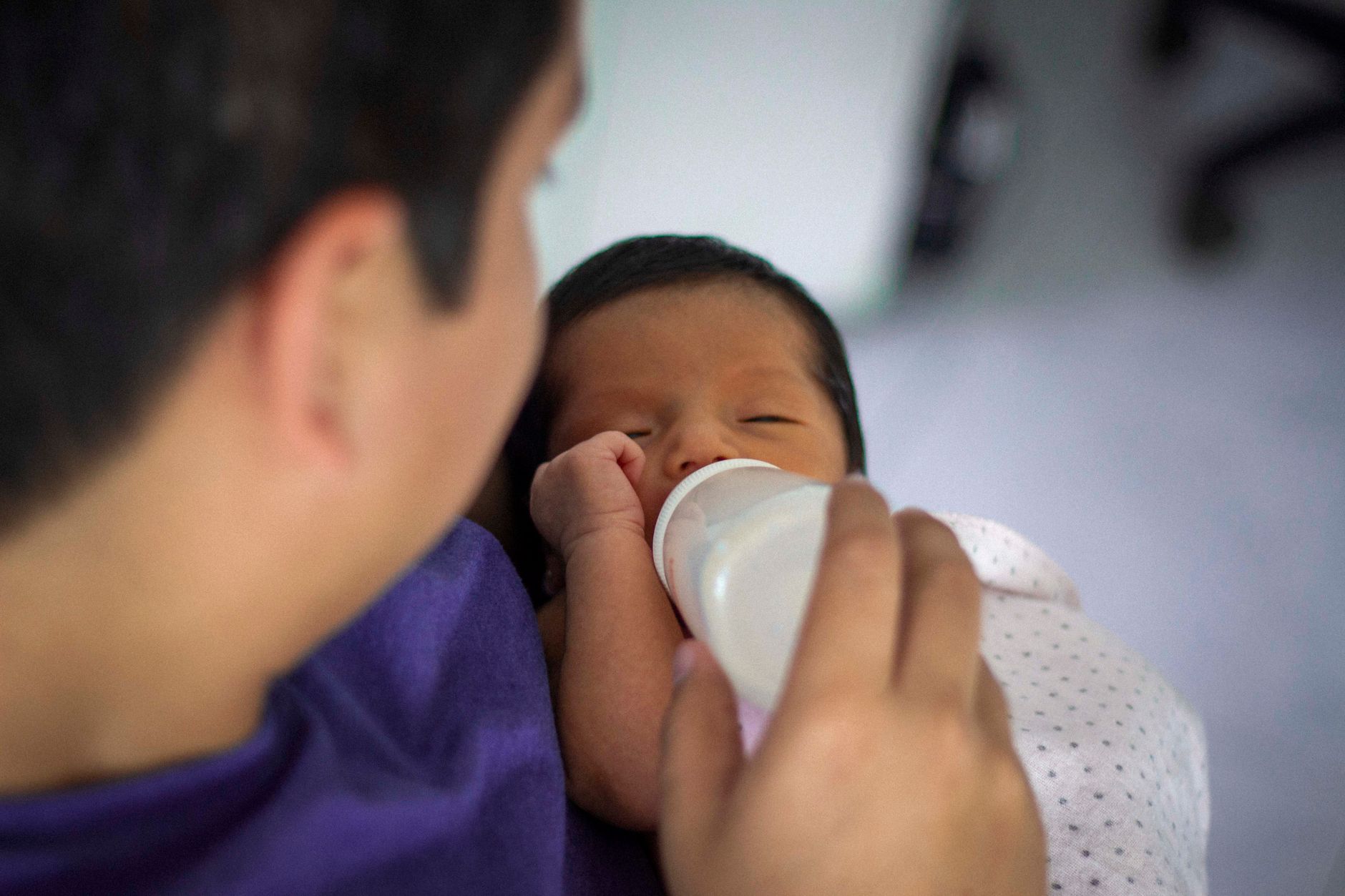
As a new parent, you pour your heart and soul into nurturing your baby. Breastfeeding, for many, is a beautiful and intimate way to bond. But what happens when your little one, who was once a happy nurser, suddenly starts refusing the breast? This can be a deeply distressing experience, leaving you feeling confused, worried, and even inadequate. This sudden refusal to feed is often termed a ‘nursing strike’ or ‘breastfeeding strike’. It’s a period where a baby who has been breastfeeding well, without any prior issues, abruptly stops wanting to nurse. Typically, this behaviour emerges when babies are around 3 months old or older, a time when they become more aware of their surroundings and can be easily distracted or affected by external factors. It’s natural to worry if this is a sign that your baby is ready to wean. However, for most babies, self-weaning before the age of two is uncommon. When it does happen, it’s usually a gradual process, with babies slowly reducing the duration and frequency of feeds, not an abrupt stop. If your baby is suddenly turning away from the breast, it’s essential to understand why and what steps you can take to encourage them back. This article aims to shed light on what constitutes a nursing strike, its common causes, and practical strategies to help you and your baby navigate this challenging phase. What Exactly is a Nursing Strike? A nursing strike is characterised by a baby’s sudden and complete refusal to breastfeed. This isn't a sign of illness or a developmental delay, but rather a temporary behavioural change. Babies who are experiencing a nursing strike may cry when offered the breast, pull away, or seem distressed at feeding times. They might still be taking in fluids through other means, like a bottle or cup, but the direct breastfeeding connection is severed. Recognising the Signs: Is it Really a Nursing Strike? Distinguishing a nursing strike from other feeding issues can be tricky. Here are some key indicators: Sudden Onset: The refusal to breastfeed happens abruptly, not gradually. Baby is Otherwise Healthy: Your baby is gaining weight, producing wet and dirty diapers, and appears generally well, apart from the feeding refusal. Distress at the Breast: The baby may fuss, cry, arch their back, or pull away forcefully when put to the breast. Acceptance of Other Feeding Methods: The baby readily accepts milk from a bottle or cup, indicating they are hungry and willing to eat, just not at the breast. Age: Most nursing strikes occur in babies older than 3 months. Common Triggers for a Nursing Strike Babies can’t tell us what’s wrong, so they communicate through their behaviour. A nursing strike is often a baby’s way of signalling discomfort or distress. Understanding these potential causes is the first step towards resolution: Physical Discomfort: Congestion or Earache: A stuffy nose can make it difficult to breathe while nursing. Ear infections can cause pain that is exacerbated when lying down to feed. Mouth Sores or Pain: Thrush, teething pain, or a sore throat can make latching and sucking uncomfortable. Illness: Conditions like hand, foot, and mouth disease can cause sores in the mouth, leading to feeding aversion. Milk Flow Issues: Low Supply: If the milk flow is too slow, the baby may become frustrated trying to get enough milk. Oversupply/Fast Let-down: Conversely, a baby might refuse the breast if the milk sprays out too forcefully, leading to choking or gagging. Changes in Milk Taste: Maternal Diet: Certain foods or spices consumed by the mother can alter the taste of breast milk. Hormonal Changes: Menstruation or pregnancy can lead to changes in milk composition. External Factors: Startling Experiences: A loud noise, a sudden movement, or even the mother crying out (perhaps from a painful latch) during a feed can create a negative association with nursing. Maternal Stress: Babies are sensitive to their mother's emotional state. If you are stressed, anxious, or angry, your baby might sense it and become unsettled at the breast. Changes in Scent: Using new soaps, lotions, or perfumes can alter your natural scent, which might be off-putting to your baby. Overstimulation: A busy, noisy environment can make it hard for a baby to focus on nursing. When a Nursing Strike is NOT the Issue It’s important to differentiate a nursing strike from other situations: Weaning: As mentioned, weaning is usually gradual. If your baby is slowly reducing feeds and seems content, it might be a natural progression rather than a strike. Illness: If your baby is unwell, lethargic, refusing all forms of intake, and showing other symptoms of sickness, consult a doctor immediately. A nursing strike typically occurs in an otherwise healthy baby. Growth Spurts: Babies often increase their nursing frequency during growth spurts. This is a temporary increase in demand, not a refusal. A Real-Life Scenario: Priya's Worry Priya noticed her 4-month-old, Rohan, who had always loved breastfeeding, started fussing at the breast. He would latch on, suck for a few seconds, and then pull off, crying. This happened at almost every feeding session for two days. Priya started to panic, worrying if her milk supply had dropped or if Rohan was simply done with breastfeeding. She felt a pang of guilt, wondering if she had done something wrong. Navigating a Nursing Strike: Practical Steps to Reconnect Experiencing a nursing strike can be emotionally taxing. The key is to remain calm and persistent. Your primary goals are to maintain your milk supply and ensure your baby is adequately fed. Ensuring Your Baby is Fed If your baby is refusing the breast, it’s vital they still receive adequate nutrition and hydration. Consider these options: Pumping: Continue to pump regularly to maintain your supply and provide milk for your baby. Bottle or Cup Feeding: Offer expressed breast milk via a bottle or a sippy cup. Some babies transition more easily to a cup during a strike. Be patient, as some babies may resist bottles initially. Monitor Diaper Output: Ensure your baby is having enough wet and dirty diapers, which are indicators of adequate hydration and milk intake. Encouraging a Return to the Breast Once you've addressed immediate feeding needs and ruled out any underlying medical issues, you can try these strategies to coax your baby back to breastfeeding: Skin-to-Skin Contact: Undress your baby down to their diaper and hold them against your bare chest. This can be incredibly calming and trigger feeding instincts. Gently offer the breast. Change Feeding Positions: Experiment with different nursing holds like the cross-cradle, football hold, or side-lying position. Sometimes a different angle makes latching more comfortable. Create a Calm Environment: Nurse in a quiet, dimly lit room with minimal distractions. Turn off the TV and put away phones. Nurse During Sleepy Times: Offer the breast when your baby is drowsy, either just before falling asleep or just after waking up. They may be less resistant during these times. Warm Bath Together: Nursing in a warm bath can be a relaxing experience for both of you. Stay Relaxed: Babies are attuned to your emotions. Try to remain calm and positive around feeding times. If you feel stressed, take deep breaths. Positive Reinforcement: When your baby does latch, even for a short while, offer gentle praise and cuddles. Address the Cause: If you suspect a specific cause, like congestion or a change in scent, try to address it. Use saline drops for a stuffy nose, or stick to unscented personal care products. Avoid Forcing: Never force your baby to latch. This can create more negative associations with breastfeeding. When to Seek Professional Help While nursing strikes can often be resolved at home, there are times when you need to consult a healthcare professional: Persistent Refusal: If the strike lasts for more than a few days and you are concerned about your baby’s intake. Signs of Dehydration: Reduced wet diapers, sunken fontanelle (soft spot on the head), excessive sleepiness, or dry mouth. Suspected Illness: If you believe your baby is unwell. Severe Distress: If your baby is experiencing extreme distress at the breast. Low Milk Supply Concerns: If you are worried about your milk production. Your doctor, a lactation consultant (IBCLC), or your local public health nurse can provide invaluable support and guidance. They can assess your baby for any underlying medical issues, check latch and milk transfer, and offer tailored strategies for your situation. Faq Section Q1: How long does a nursing strike usually last? A nursing strike can vary in duration, often lasting from a few days to a week. With consistent effort and the right strategies, most babies return to breastfeeding. Q2: Can a nursing strike affect my milk supply? Yes, if you are not pumping or feeding your baby regularly, your milk supply can decrease. It is crucial to continue expressing milk to maintain production. Q3: Is it possible my baby is ready to wean? While some babies do wean around this age, a sudden refusal is more indicative of a nursing strike. If the refusal is prolonged
In summary, timely diagnosis, evidence-based treatment, and prevention-focused care improve long-term health outcomes.