

Emergency & Help
24/7 Emergency & General Advisory
🚨 24/7 Medical Emergency
Non-Emergency Advisory
10:00 AM – 6:00 PM, Mon–Sat
For appointments & general queries.
24/7 Emergency & General Advisory
🚨 24/7 Medical Emergency
Non-Emergency Advisory
10:00 AM – 6:00 PM, Mon–Sat
For appointments & general queries.
Stay updated with our latest healthcare news and your appointments.
Explore comprehensive non-hormonal treatment options for endometriosis, from pain management and surgery to complementary therapies and lifestyle changes. Understand symptoms, diagnosis, and when to seek medical help for effective management of this chronic condition.

Endometriosis is a chronic, often painful condition where tissue similar to the lining inside your uterus (the endometrium) grows outside of it. This misplaced tissue, called endometrial implants, can be found on the ovaries, fallopian tubes, and tissues lining your pelvis. Less commonly, endometrial tissue may spread beyond the pelvic area. Each menstrual cycle, this ectopic tissue responds to hormonal fluctuations by thickening, breaking down, and bleeding, just like the uterine lining. However, because it has no way to exit the body, it becomes trapped, leading to pain, inflammation, scar tissue formation, adhesions (bands of fibrous tissue that can bind organs together), and fertility problems.
While hormonal therapies are a cornerstone of endometriosis management, they are not suitable or effective for everyone. Some individuals experience significant side effects, others may be trying to conceive, and for some, hormonal treatments simply don't provide adequate relief. This highlights the critical importance of exploring and understanding non-hormonal treatment options for endometriosis. This article will delve into a comprehensive range of non-hormonal approaches, from pain management and surgical interventions to lifestyle modifications and complementary therapies, offering hope and practical strategies for those seeking alternatives.
The symptoms of endometriosis can vary widely in severity and type, and are not always correlated with the extent of the disease. Some women with severe endometriosis may experience no symptoms, while others with mild disease may have debilitating pain. Common symptoms include:
It's important to note that these symptoms can overlap with other conditions, making accurate diagnosis crucial.
The exact cause of endometriosis is still unknown, but several theories have been proposed:
Diagnosing endometriosis can be challenging and often takes several years due to the variability of symptoms and overlap with other conditions. The diagnostic process typically involves:
For individuals who cannot or prefer not to use hormonal therapies, a range of non-hormonal options can effectively manage endometriosis symptoms and, in some cases, address the underlying tissue growth. These treatments often involve a multi-faceted approach.
Managing the chronic pain associated with endometriosis is often the primary goal of non-hormonal treatment.
Endometriosis often leads to pelvic floor muscle dysfunction, characterized by muscle tightness, spasms, and trigger points, which contribute to chronic pelvic pain, painful intercourse, and bladder/bowel issues. Pelvic floor physical therapy (PFPT) is a specialized form of physical therapy that can be highly effective:
Surgery is a non-hormonal option that can both diagnose and treat endometriosis by removing or destroying endometrial implants and scar tissue. It is often considered when pain is severe, fertility is a concern, or other treatments have failed.
For severe, widespread endometriosis and when other treatments have failed, especially for individuals who have completed childbearing, a hysterectomy (removal of the uterus) may be considered. If the ovaries are also removed (oophorectomy), this eliminates the primary source of estrogen, which fuels endometriosis growth. However, removing the ovaries induces surgical menopause, with its own set of health implications, and there is still a chance of endometriosis recurrence if any implants are left behind. These are typically considered last-resort options.
Many individuals find relief by incorporating complementary and alternative medicine (CAM) strategies alongside conventional treatments. These approaches focus on reducing inflammation, managing pain, and improving overall well-being.
An anti-inflammatory diet can help manage endometriosis symptoms by reducing systemic inflammation:
Certain supplements may help alleviate symptoms, but always consult your doctor before starting any new supplement regimen:
Traditional Chinese medicine, including acupuncture, has been used to manage chronic pain. Some studies suggest acupuncture may help reduce endometriosis-related pain by stimulating the release of endorphins and influencing blood flow and nerve function.
While some herbs are anecdotally used, scientific evidence for their efficacy in endometriosis is often limited. Examples include ginger (for nausea and inflammation), chamomile (for relaxation and mild anti-inflammatory effects), and evening primrose oil (for hormonal balance, though caution is advised as it can sometimes interact with hormonal pathways). Always consult a healthcare professional before using herbal remedies, as they can interact with medications or have side effects.
Chronic pain and the challenges of living with endometriosis can significantly impact mental health. Stress reduction techniques can help manage pain perception and improve quality of life:
Simple daily habits can significantly impact how endometriosis symptoms are experienced and managed.
It's important to seek medical attention if you experience:
Early diagnosis and intervention can help manage symptoms and prevent the progression of the disease.
A1: Currently, there is no definitive cure for endometriosis. Non-hormonal treatments aim to manage symptoms, reduce pain, and remove endometrial implants, thereby improving quality of life and, in some cases, fertility. Surgical excision offers the best chance for long-term symptom relief by removing the disease, but recurrence is still possible.
A2: Like any surgery, laparoscopic excision carries risks, including bleeding, infection, damage to surrounding organs, and complications from anesthesia. However, when performed by a skilled surgeon specializing in endometriosis, the benefits often outweigh the risks, especially for severe cases.
A3: The effects of dietary changes can vary widely among individuals. Some may notice improvements in a few weeks, while for others, it might take several months to see significant changes. Consistency is key, and it's often a long-term strategy for managing inflammation and symptoms.
A4: Yes, absolutely. Endometriosis can cause significant tension and spasms in the pelvic floor muscles, contributing to painful intercourse (dyspareunia). Pelvic floor physical therapy can effectively release this tension, improve muscle flexibility, and help individuals regain comfort during sexual activity.
A5: In many cases, yes. A multimodal approach often yields the best results. For example, individuals might use NSAIDs for pain relief while on hormonal therapy, or incorporate diet and lifestyle changes alongside their prescribed medications. Always discuss any combination of treatments with your healthcare provider to ensure safety and efficacy.
Endometriosis is a complex condition that requires a personalized and often multi-faceted approach to treatment. While hormonal therapies are a common choice, non-hormonal options offer viable and effective strategies for pain management, disease reduction, and improved quality of life. From targeted pain relief and advanced surgical techniques like laparoscopic excision to the integration of complementary therapies and significant lifestyle modifications, individuals have a diverse array of tools at their disposal.
It is crucial to work closely with a healthcare team, including gynecologists, pain specialists, physical therapists, and perhaps nutritionists, to develop a comprehensive treatment plan tailored to your specific symptoms, goals, and preferences. By exploring these non-hormonal avenues, those living with endometriosis can find meaningful relief and empowerment in managing their condition.
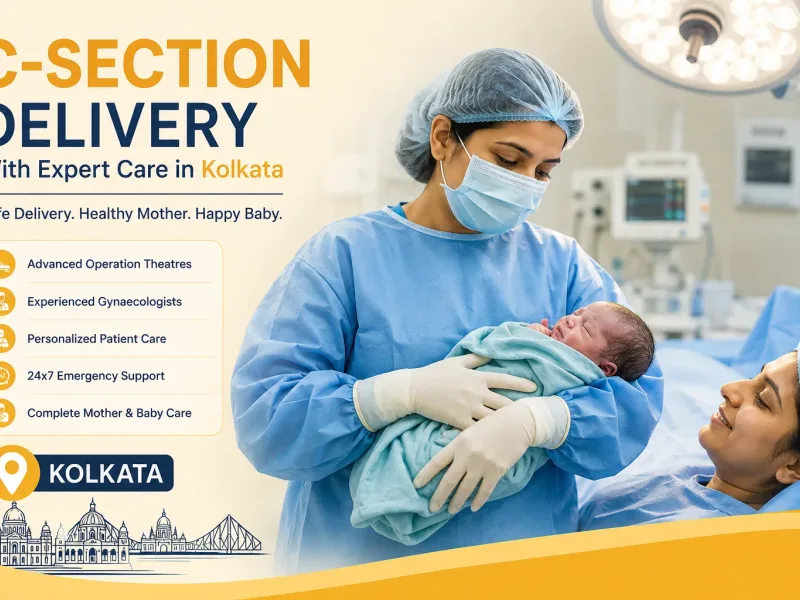
A cesarean section (C-section) is a surgical delivery in which a baby is born through an incision in the mother's abdomen and uterus. In Kolkata, several experienced obstetricians and well-equipped hospitals offer C-section services for planned and emergency deliveries. Understanding when a C-sectio
July 31, 2026
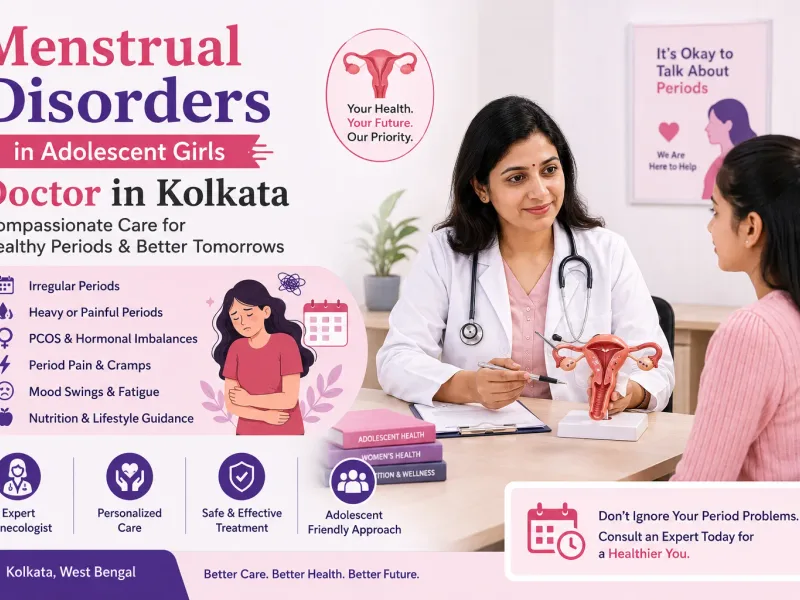
If you are searching for a Menstrual Disorders in Adolescent Girls Doctor in Kolkata, early evaluation by an experienced gynecologist can help identify the underlying cause of irregular or painful periods. While menstrual irregularities are common during the first few years after puberty, persistent
July 31, 2026
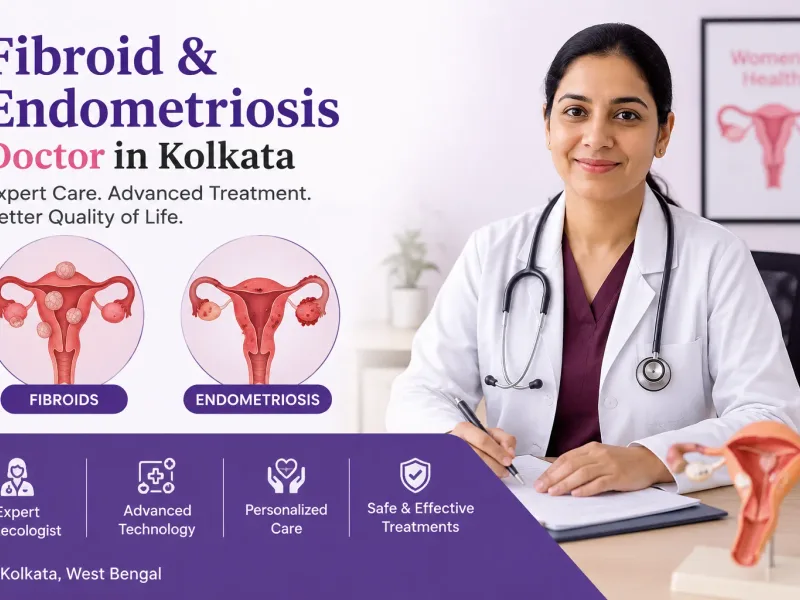
If you are searching for a Fibroid & Endometriosis doctor in Kolkata, choosing an experienced gynecologist with expertise in minimally invasive gynecological surgery is essential. Uterine fibroids and endometriosis are two common but different conditions that can cause pelvic pain, heavy menstrual b
July 31, 2026