

Emergency & Help
24/7 Emergency & General Advisory
🚨 24/7 Medical Emergency
Non-Emergency Advisory
10:00 AM – 6:00 PM, Mon–Sat
For appointments & general queries.
24/7 Emergency & General Advisory
🚨 24/7 Medical Emergency
Non-Emergency Advisory
10:00 AM – 6:00 PM, Mon–Sat
For appointments & general queries.
Learn about birth control options after abortion, including timing, types of methods, and safety precautions for Indian readers.

Deciding on birth control after an abortion is a crucial step in managing your reproductive health and planning for the future. The best time to start and the most suitable method depend on several factors, including the type of abortion you had, how far along the pregnancy was, and your personal preferences for short-term, long-term, or permanent contraception. This guide aims to provide clear, practical information for Indian readers navigating these choices.
There are two primary methods of abortion: medication abortion and procedural abortion. Each has different implications for when you can safely resume or start using birth control.
Medication abortion, often referred to as the abortion pill, typically involves taking two different medications. It is generally used in the early stages of pregnancy.
Procedural abortion, also known as surgical abortion, involves a medical procedure to remove the pregnancy from the uterus. The timing of birth control initiation can vary based on the trimester.
Regardless of the type of abortion, certain general guidelines are important:
Overall, early action and medically verified advice remain the safest approach.
Visit Hospital
Near You

A cesarean section (C-section) is a surgical delivery in which a baby is born through an incision in the mother's abdomen and uterus. In Kolkata, several experienced obstetricians and well-equipped hospitals offer C-section services for planned and emergency deliveries. Understanding when a C-sectio
July 31, 2026
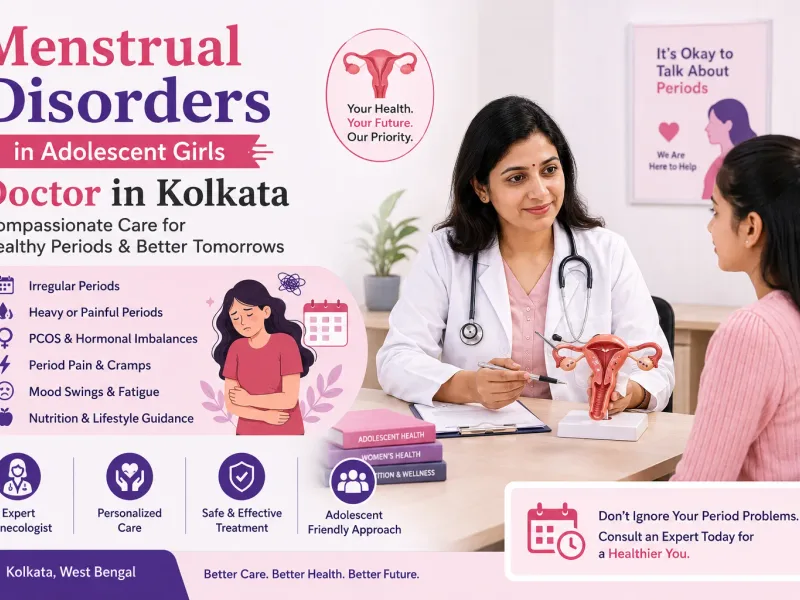
If you are searching for a Menstrual Disorders in Adolescent Girls Doctor in Kolkata, early evaluation by an experienced gynecologist can help identify the underlying cause of irregular or painful periods. While menstrual irregularities are common during the first few years after puberty, persistent
July 31, 2026
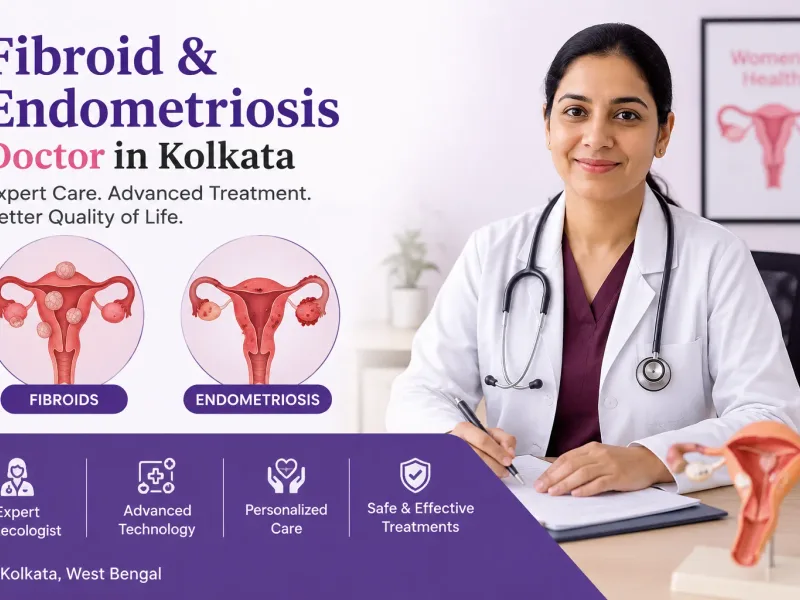
If you are searching for a Fibroid & Endometriosis doctor in Kolkata, choosing an experienced gynecologist with expertise in minimally invasive gynecological surgery is essential. Uterine fibroids and endometriosis are two common but different conditions that can cause pelvic pain, heavy menstrual b
July 31, 2026