

Emergency & Help
24/7 Emergency & General Advisory
🚨 24/7 Medical Emergency
Non-Emergency Advisory
10:00 AM – 6:00 PM, Mon–Sat
For appointments & general queries.
24/7 Emergency & General Advisory
🚨 24/7 Medical Emergency
Non-Emergency Advisory
10:00 AM – 6:00 PM, Mon–Sat
For appointments & general queries.
Stay updated with our latest healthcare news and your appointments.
Explore the potential link between birth control methods and bone mineral density (BMD) loss. Learn about the risks, symptoms, diagnosis, and prevention strategies for maintaining strong bones.

Understanding the Link Between Birth Control and Bone Health For many women in India and around the world, birth control methods are a crucial part of family planning and managing reproductive health. While generally considered safe and effective, some research suggests a potential link between certain types of hormonal birth control and a decrease in bone mineral density (BMD), a condition that can lead to weaker bones over time. This article delves into the current understanding of this relationship, focusing on what Indian women should know to make informed decisions about their health. What is Bone Mineral Density (BMD)? Bone mineral density refers to the amount of calcium and other minerals in your bones. Higher BMD means denser, stronger bones, while lower BMD indicates weaker, more brittle bones. This is a critical factor in preventing conditions like osteopenia (low bone mass) and osteoporosis (a more severe form of bone thinning that increases fracture risk). How Can Birth Control Affect Bone Health? The primary concern revolves around hormonal birth control methods, particularly those containing estrogen. Estrogen plays a vital role in maintaining bone health throughout a woman's life. When synthetic estrogen in birth control pills or other methods is used, it might interfere with the body's natural processes for building and maintaining bone. A 2021 review highlighted that estrogen, even in low doses found in some contraceptives, could potentially increase the risk of bone loss. Which Birth Control Methods Are of Concern? Estrogen-Containing Oral Contraceptives (Pills): These are the most commonly discussed in relation to bone health. While research is ongoing, some studies suggest a potential decrease in BMD with their use. Birth Control Shots (e.g., Depo-Provera): Injections like medroxyprogesterone (Depo-Provera) have also been linked to bone loss. Experts often recommend these for short-term use (up to 2 years) due to concerns about potential long-term effects on bone health, especially if started during adolescence or early adulthood. Progestin-Only Methods: A 2020 review indicated that progestin-only birth control pills might not significantly affect bone density. However, more research is needed to fully understand the impact of various progestin formulations. Intrauterine Devices (IUDs): Current research does not associate IUDs with bone loss. Adolescents and Young Adults: A Special Consideration The impact of birth control on bone health may be particularly significant for adolescents and young adults. This is a critical period for bone development, as women typically achieve about 95% of their adult bone mass by the age of 17. Starting hormonal birth control during these formative years could potentially affect the peak bone mass achieved, making bones more vulnerable later in life. It's crucial for young women and their parents to discuss these potential risks with their doctors. Natural Bone Loss and Birth Control Adults over the age of 30 naturally begin to experience a gradual decrease in bone mass. The concern with birth control is whether it could accelerate this natural process or reduce bone density earlier than expected, particularly in early adulthood. Who is at Higher Risk? Not everyone who uses birth control will experience bone loss. Factors that might influence an individual's risk include: Genetics Diet (especially calcium and Vitamin D intake) Lifestyle (e.g., smoking, lack of physical activity) Age at which birth control is started Duration of birth control use Symptoms of Bone Loss Bone loss, especially in its early stages (osteopenia), often has no noticeable symptoms. However, as it progresses to osteoporosis, symptoms can include: Back pain, caused by a fractured or collapsed vertebra Loss of height over time A stooped posture (kyphosis) Bones that break much more easily than expected Diagnosis of Bone Loss The primary method for diagnosing bone loss is a bone density scan, often called a DEXA scan (Dual-energy X-ray absorptiometry). This painless test measures the mineral content of your bones and helps determine your BMD. A doctor will interpret the results, often using a T-score to compare your bone density to that of a healthy young adult. T-score between -1 and -2.5: Indicates osteopenia (low bone mass). T-score of -2.5 or lower: Indicates osteoporosis. Treatment and Management If bone loss is detected, your doctor may recommend several strategies: Dietary Adjustments: Ensuring adequate intake of calcium and Vitamin D through diet or supplements is crucial. Foods rich in calcium include dairy products, leafy green vegetables, and fortified foods. Vitamin D can be obtained from sunlight exposure and certain foods. Lifestyle Changes: Regular weight-bearing exercises (like walking, jogging, or dancing) and strength training can help build and maintain bone strength. Avoiding smoking and limiting alcohol consumption are also important. Medications: In some cases, doctors may prescribe medications to help prevent further bone loss or stimulate bone growth. These can include bisphosphonates, hormone replacement therapy (in specific situations), or other drugs like thiazolidinediones (for type 2 diabetes) or zoledronic acid (Reclast). Reviewing Birth Control: If your birth control is identified as a contributing factor, your doctor might discuss alternative methods with you. Prevention Strategies Preventing bone loss starts early: Build Strong Bones in Youth: Ensure adequate calcium and Vitamin D intake during childhood and adolescence. Engage in regular physical activity. Healthy Lifestyle Choices: Maintain a balanced diet, exercise regularly, avoid smoking, and limit alcohol throughout life. Informed Birth Control Choices: Discuss the potential risks and benefits of different birth control methods with your healthcare provider, especially if you have a family history of osteoporosis or other risk factors. Regular Check-ups: Especially as you get older
In summary, timely diagnosis, evidence-based treatment, and prevention-focused care improve long-term health outcomes.
Visit Hospital
Near You

A cesarean section (C-section) is a surgical delivery in which a baby is born through an incision in the mother's abdomen and uterus. In Kolkata, several experienced obstetricians and well-equipped hospitals offer C-section services for planned and emergency deliveries. Understanding when a C-sectio
July 31, 2026
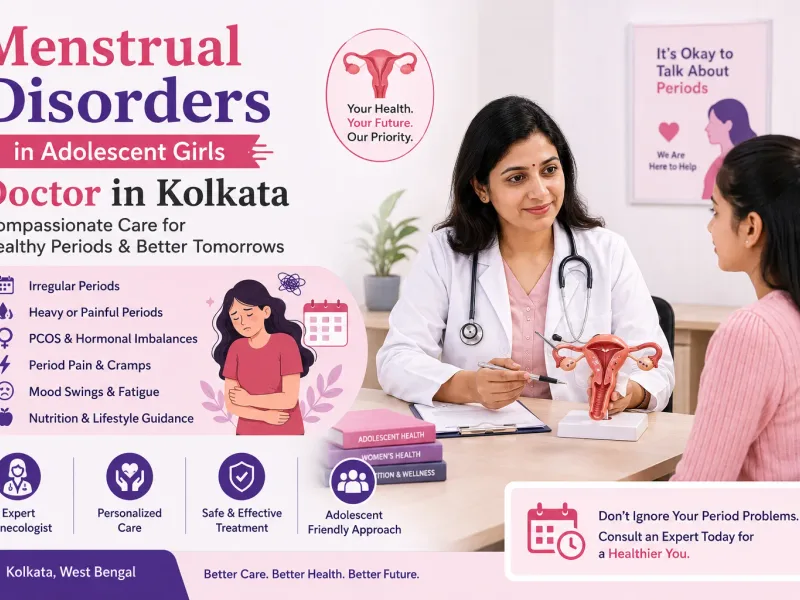
If you are searching for a Menstrual Disorders in Adolescent Girls Doctor in Kolkata, early evaluation by an experienced gynecologist can help identify the underlying cause of irregular or painful periods. While menstrual irregularities are common during the first few years after puberty, persistent
July 31, 2026
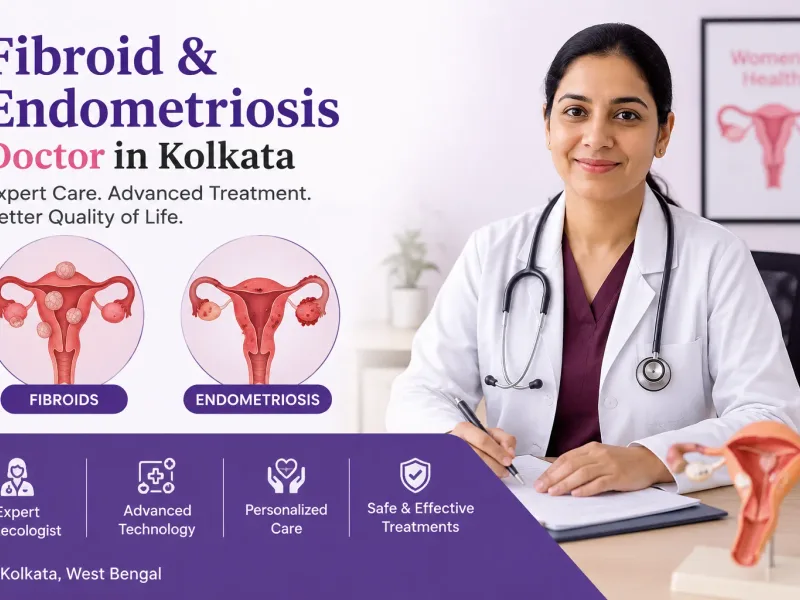
If you are searching for a Fibroid & Endometriosis doctor in Kolkata, choosing an experienced gynecologist with expertise in minimally invasive gynecological surgery is essential. Uterine fibroids and endometriosis are two common but different conditions that can cause pelvic pain, heavy menstrual b
July 31, 2026