

Emergency & Help
24/7 Emergency & General Advisory
🚨 24/7 Medical Emergency
Non-Emergency Advisory
10:00 AM – 6:00 PM, Mon–Sat
For appointments & general queries.
24/7 Emergency & General Advisory
🚨 24/7 Medical Emergency
Non-Emergency Advisory
10:00 AM – 6:00 PM, Mon–Sat
For appointments & general queries.
Explore the complex relationship between birth control and uterine fibroids. Understand how different methods might affect fibroid growth and symptoms, and learn when to consult a doctor.

Understanding the Complex Relationship Between Birth Control and Fibroids Fibroids, which are non-cancerous growths in the uterus, can significantly impact a woman's reproductive health and quality of life. They are common, particularly among women of reproductive age. The exact cause of fibroids remains unknown, but it is believed that hormones like estrogen and progesterone play a crucial role in their development and growth. This hormonal link naturally leads to questions about the role of birth control, which also manipulates hormone levels, in the development and management of fibroids. What are Fibroids? Fibroids, also known as leiomyomas, are benign tumors that grow in the muscular wall of the uterus. They can vary in size, from as small as a pea to as large as a melon, and can occur singly or in multiples. The symptoms associated with fibroids depend largely on their size, number, and location within the uterus. Common symptoms include heavy menstrual bleeding, prolonged menstrual periods, pelvic pain or pressure, frequent urination, constipation, and backache or leg pain. In some cases, fibroids may not cause any symptoms at all. The Role of Hormones in Fibroid Development Estrogen and progesterone are the primary hormones believed to influence fibroid growth. Fibroids typically contain more estrogen and progesterone receptors than the surrounding uterine muscle tissue. This suggests that these hormones stimulate fibroid cells to grow. Consequently, fibroids tend to grow during a woman's reproductive years when hormone levels are highest and often shrink after menopause when hormone levels decline. Birth Control Pills and Fibroid Risk: Conflicting Research The relationship between birth control pills and fibroids is complex and, unfortunately, not entirely clear due to conflicting research findings. Some studies suggest that birth control pills may actually decrease the risk of developing fibroids, especially when taken consistently over a long period. For instance, one older study indicated that women using birth control pills for over a decade had a significantly lower risk of fibroid development. More recent research in 2021 also pointed to hormonal contraception as a protective factor against fibroids. However, other research presents a different picture. A 2018 study found that individuals using birth control pills were more prone to developing fibroids compared to those who had never used oral contraceptives. This divergence in findings has led researchers to hypothesize that variations in hormone concentrations across different brands and formulations of birth control pills might explain the conflicting results. A 2022 study explored this possibility, suggesting that the specific types and amounts of hormones in different pills could influence their effect on fibroid risk. Furthermore, a 2015 research review highlighted that it remains unclear whether the pill is effective in relieving existing fibroid symptoms. The impact of hormonal birth control on individuals with fibroids or those at increased risk is not straightforward and can vary significantly from person to person. How Hormonal Birth Control Might Affect Existing Fibroids For some women, hormonal birth control, which typically contains synthetic forms of estrogen and progesterone (progestin), might theoretically contribute to fibroid growth due to the increased hormone levels. The influx of these hormones could potentially stimulate the growth of existing fibroids, leading to an exacerbation of symptoms like heavy bleeding and pelvic pain. Conversely, in other cases, hormonal birth control might help manage fibroid symptoms. By regulating the menstrual cycle, certain hormonal contraceptives can help prevent extreme fluctuations in estrogen and progesterone levels. This can lead to lighter periods, reduced cramping, and better control over bleeding, thereby alleviating some of the discomfort associated with fibroids. Choosing the Right Birth Control Method with Fibroids Given the mixed research and individual variability, there is no one-size-fits-all recommendation for birth control methods for women with fibroids. The best approach involves a thorough discussion with a healthcare provider, especially if fibroids have already been diagnosed. Non-Hormonal Birth Control Options For women who prefer to avoid hormones, or whose fibroid symptoms worsen with hormonal birth control, non-hormonal methods are available. These include: Condoms: A barrier method that is safe and has no impact on fibroids. Diaphragm and Cervical Cap: Other barrier methods that do not affect fibroids. Sponge: Another non-hormonal barrier option. It's important to note that while the copper intrauterine device (IUD) is a popular non-hormonal option, it may not be ideal for women with symptomatic fibroids. The copper IUD can sometimes increase menstrual bleeding and cramping, which could worsen symptoms for those already experiencing heavy or painful periods due to fibroids. Hormonal Birth Control for Symptom Management In some instances, hormonal birth control might be prescribed to help manage fibroid symptoms. Methods like combined oral contraceptives or progestin-only pills can help regulate menstrual cycles, reduce the volume of menstrual bleeding, and alleviate pain. The choice of hormonal method would depend on the individual's specific symptoms, fibroid characteristics, and overall health profile. When to Consult a Doctor It is crucial for any woman experiencing symptoms suggestive of fibroids, or who has been diagnosed with fibroids, to consult with her doctor or gynecologist. This is especially important when considering contraception. Consult your doctor if you experience: Heavy or prolonged menstrual bleeding Pelvic pain or pressure Frequent urination Constipation Pain during intercourse Unexplained infertility Your doctor can perform a physical examination, imaging tests (like ultrasound), and discuss your medical history to determine the best course of action, including the most suitable birth control method for your individual needs and health status. Conclusion The interplay between birth control and fibroids
In summary, timely diagnosis, evidence-based treatment, and prevention-focused care improve long-term health outcomes.
Visit Hospital
Near You

A cesarean section (C-section) is a surgical delivery in which a baby is born through an incision in the mother's abdomen and uterus. In Kolkata, several experienced obstetricians and well-equipped hospitals offer C-section services for planned and emergency deliveries. Understanding when a C-sectio
July 31, 2026
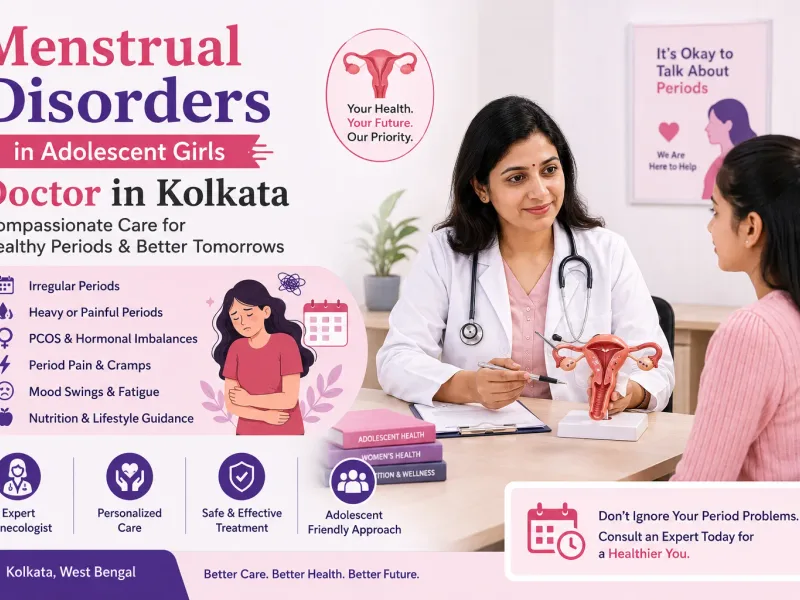
If you are searching for a Menstrual Disorders in Adolescent Girls Doctor in Kolkata, early evaluation by an experienced gynecologist can help identify the underlying cause of irregular or painful periods. While menstrual irregularities are common during the first few years after puberty, persistent
July 31, 2026
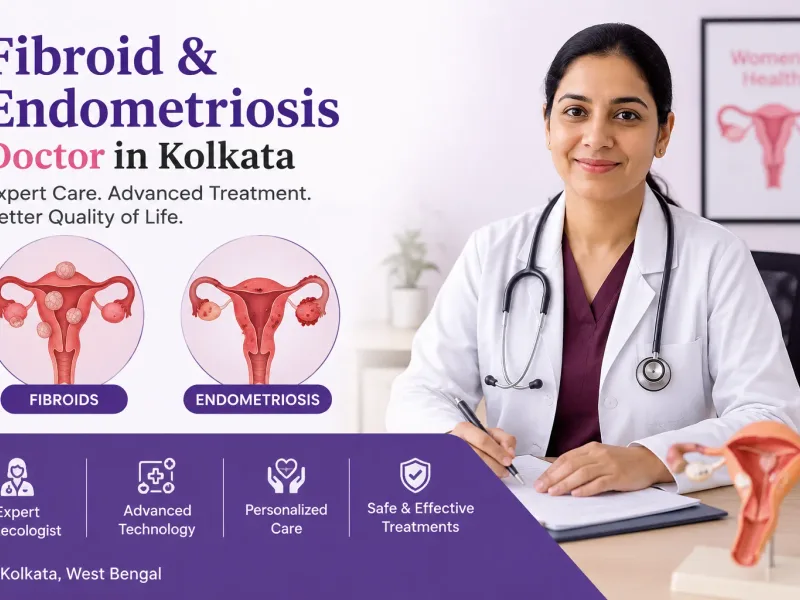
If you are searching for a Fibroid & Endometriosis doctor in Kolkata, choosing an experienced gynecologist with expertise in minimally invasive gynecological surgery is essential. Uterine fibroids and endometriosis are two common but different conditions that can cause pelvic pain, heavy menstrual b
July 31, 2026