

Emergency & Help
24/7 Emergency & General Advisory
🚨 24/7 Medical Emergency
Non-Emergency Advisory
10:00 AM – 6:00 PM, Mon–Sat
For appointments & general queries.
24/7 Emergency & General Advisory
🚨 24/7 Medical Emergency
Non-Emergency Advisory
10:00 AM – 6:00 PM, Mon–Sat
For appointments & general queries.
Worried if birth control causes infertility? Learn the facts about hormonal contraceptives, their temporary effects, and why the myth persists. Get clear, practical advice for Indian readers.

Let's talk about a topic that causes a lot of worry for many: birth control and its effect on future fertility. For years, a common belief has circulated that using birth control, especially hormonal methods, can lead to infertility. Many women and men worry that by using contraception to prevent pregnancy now, they are jeopardizing their chances of conceiving later in life. This is a significant concern, and it’s essential to address it with clear, accurate information. The good news is that for the vast majority of people, this concern is unfounded. Modern birth control methods, when used correctly, are designed to be temporary and reversible. They do not cause permanent infertility. Your fertility will return once you stop using them. However, understanding the nuances, the history, and why this myth persists is important.
Infertility itself is a medical term. It generally means being unable to get pregnant after at least one year of regular, unprotected sexual intercourse. For individuals aged 35 and older, doctors might diagnose infertility after six months. It's a complex issue with many potential causes, but birth control methods are not among them.
It’s not entirely surprising that confusion and mistrust surrounding birth control exist. The history of hormonal contraceptives, particularly the birth control pill, isn’t without its controversies. Back in 1969, a book called “The Doctor’s Case Against the Pill” by Barbara Seaman brought to light serious issues regarding clinical trials. These trials, it was revealed, were often conducted without proper informed consent from participants, and potential side effects were downplayed or hidden. This lack of transparency significantly eroded public trust in both the medical establishment and the contraceptives themselves. This historical context is vital because it helps explain why some people remain skeptical about the safety and long-term effects of birth control.
Further fueling these concerns was the Dalkon Shield, an intrauterine device (IUD) that hit the market in the early 1970s. By 1974, it became clear that this IUD posed serious health risks, including permanent infertility for some users. It was subsequently withdrawn from the market. While the Dalkon Shield was a dangerous device, it’s important to distinguish it from modern, rigorously tested birth control methods. The failures of the past have unfortunately cast a long shadow, leading many to believe that all birth control carries similar risks.
Hormonal birth control methods, such as pills, patches, rings, injections, and some types of IUDs, primarily work by preventing ovulation. Ovulation is the process where an ovary releases an egg. If no egg is released, pregnancy cannot occur. These methods also often thicken cervical mucus, making it harder for sperm to reach the uterus, and thin the uterine lining, making implantation less likely.
Because these methods directly interfere with the natural reproductive cycle, it can take some time for your body to readjust after you stop using them. This period of readjustment is often mistaken for infertility. Statistically, most individuals regain their hormonal balance and previous fertility levels within 3 to 6 months after discontinuing hormonal contraceptives. Some studies show that up to 83% of people who stop contraception conceive within the first 12 months. A 2013 study noted short-term delays in fertility after stopping various hormonal methods, and a 2018 review of numerous studies confirmed that pregnancy is common within a year of discontinuation.
It’s also crucial to consider that fertility naturally declines with age. For individuals with a uterus, fertility begins to decrease around age 30 and speeds up in the mid-30s. This natural aging process can coincide with the time someone might be considering starting a family after using birth control for many years. If conception doesn't happen immediately, it can be easy to blame the birth control, when in reality, age-related fertility changes are playing a significant role.
Furthermore, some forms of birth control can mask underlying reproductive health issues. For example, certain hormonal contraceptives regulate menstrual cycles, making them predictable and regular. If someone has a condition like Polycystic Ovary Syndrome (PCOS), which often causes irregular periods, birth control can effectively hide these symptoms. When they stop using birth control, the underlying irregularities of PCOS can resurface, leading to the mistaken belief that the contraception caused the problem. It wasn't the birth control; it was the underlying condition revealing itself.
While on hormonal birth control, you might experience changes in your menstrual cycle. These can include lighter periods, heavier periods, more irregular periods, or even the complete absence of periods (amenorrhea). These effects vary depending on the specific method and the individual. For instance, some women enjoy lighter, more predictable periods while on the pill, while others might find their periods disappear altogether.
After stopping hormonal birth control, some individuals may notice similar menstrual irregularities for a period. This is a normal part of your body recalibrating. The hormones from the birth control suppressed ovulation, and it takes time for the natural hormonal feedback loop to re-establish itself and for ovulation to resume consistently. This temporary phase of irregularity should not be mistaken for infertility.
While birth control doesn't cause infertility, there are specific situations where you should consult a doctor regarding fertility concerns:
Remember, about 25% of infertility cases have no identifiable cause, even after thorough medical evaluation. This highlights the complexity of fertility and the importance of not jumping to conclusions about birth control.
Let's summarize the most important points:
Your reproductive health is a journey. Understanding the facts about birth control and fertility empowers you to make informed decisions about your body and your future family planning. Don't let outdated myths or historical controversies cloud your understanding. If you have concerns, your doctor is your best resource for accurate information and guidance.
Visit Hospital
Near You

A cesarean section (C-section) is a surgical delivery in which a baby is born through an incision in the mother's abdomen and uterus. In Kolkata, several experienced obstetricians and well-equipped hospitals offer C-section services for planned and emergency deliveries. Understanding when a C-sectio
July 31, 2026
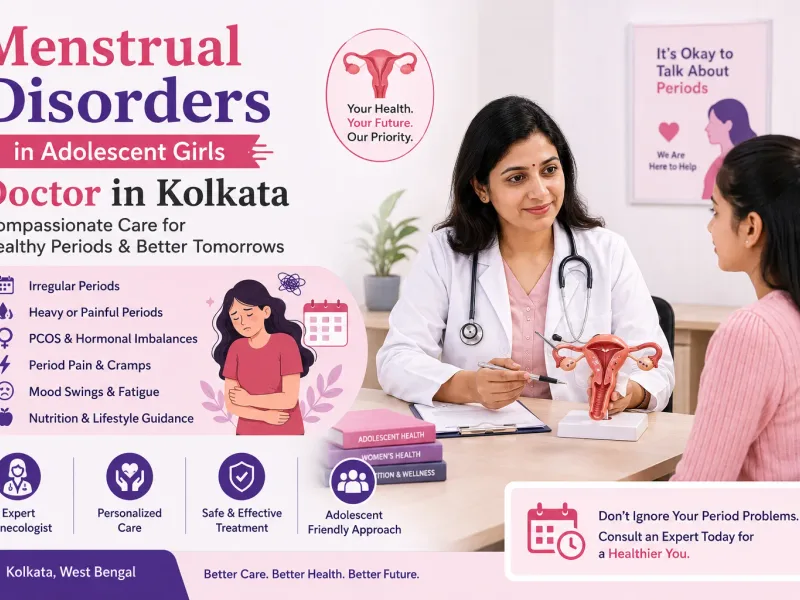
If you are searching for a Menstrual Disorders in Adolescent Girls Doctor in Kolkata, early evaluation by an experienced gynecologist can help identify the underlying cause of irregular or painful periods. While menstrual irregularities are common during the first few years after puberty, persistent
July 31, 2026

If you are searching for a Fibroid & Endometriosis doctor in Kolkata, choosing an experienced gynecologist with expertise in minimally invasive gynecological surgery is essential. Uterine fibroids and endometriosis are two common but different conditions that can cause pelvic pain, heavy menstrual b
July 31, 2026