

Emergency & Help
24/7 Emergency & General Advisory
🚨 24/7 Medical Emergency
Non-Emergency Advisory
10:00 AM – 6:00 PM, Mon–Sat
For appointments & general queries.
24/7 Emergency & General Advisory
🚨 24/7 Medical Emergency
Non-Emergency Advisory
10:00 AM – 6:00 PM, Mon–Sat
For appointments & general queries.
Stay updated with our latest healthcare news and your appointments.
Explore the connection between birth control methods and bone health, including potential risks and benefits for osteoporosis.

Understanding the Complex Relationship Between Birth Control and Osteoporosis Navigating the world of contraception can be complex, and understanding how different methods might affect your long-term health is crucial. One area that has garnered attention is the potential link between birth control and osteoporosis. Osteoporosis, a condition characterized by weakened bones that are more prone to fractures, affects millions worldwide, particularly as they age. While the exact relationship between various birth control methods and bone health is still an area of active research, it's important for individuals to be informed about the current understanding. What is Osteoporosis? Osteoporosis is a medical condition where bones become brittle and fragile, increasing the risk of fractures. This often happens because bones lose density, meaning they have less mass and are weaker. Bone density typically peaks in our early 30s and then gradually declines with age. Factors like genetics, diet, lifestyle, and hormonal changes can influence the rate of bone loss. How Can Birth Control Affect Bone Health? Hormonal birth control methods, which are widely used by women for family planning and managing various gynecological conditions, contain hormones like estrogen and progestin. These hormones play a significant role in regulating the menstrual cycle and preventing pregnancy. However, they also influence bone metabolism. The impact of birth control on bone health can vary significantly depending on the type of contraceptive used, its hormonal composition, and the individual's age and overall health status. Birth Control Methods That May Protect Bone Health Some research suggests that certain types of hormonal birth control, particularly those containing estrogen, might have a protective effect on bone health. Estrogen is vital for maintaining bone density. When estrogen levels are adequate, the body is better able to preserve bone mass. Combined oral contraceptives (COCs), often referred to as "combination pills," contain both estrogen and progestin. These are among the most common forms of hormonal birth control. For some individuals, especially those approaching menopause, COCs may help maintain or even slightly increase bone mineral density. This is because they provide a consistent source of estrogen, which can counteract the natural decline that occurs with age. Birth Control Methods That May Increase Risk On the other hand, some birth control methods have been linked to a potential increase in the risk of bone loss over time. The injectable contraceptive Depo-Provera (depot medroxyprogesterone acetate or DMPA), also known as "the shot," is a progestin-only contraceptive. DMPA works by suppressing ovulation and thickening cervical mucus, but it can also reduce the body's production of estrogen. Since estrogen is crucial for bone health, a significant reduction in estrogen levels can compromise the body's ability to maintain bone density. This effect can be particularly concerning for younger individuals, such as adolescents, who are still building their peak bone mass. Studies have indicated that prolonged use of DMPA in adolescents might lead to lower-than-expected bone mass. However, it's important to note that the Royal Osteoporosis Society suggests that DMPA only slightly increases the risk of osteoporosis. The American College of Obstetricians and Gynecologists also acknowledges this potential drawback but emphasizes that it must be weighed against the high effectiveness of DMPA in preventing pregnancy, especially when compared to other methods or no contraception at all. The Role of Estrogen and Progestin The balance of hormones is key. Estrogen helps slow down bone breakdown, while progestin's effect on bone can be more varied. Some progestins might have a neutral effect, while others, especially in high doses or when estrogen levels are very low, could potentially contribute to bone loss. Progestin-only contraceptives, like DMPA or certain hormonal IUDs, may not provide the same bone-protective benefits as estrogen-containing methods. However, the impact is often less pronounced if adequate estrogen levels are maintained through other means or if the duration of use is limited. Research and Ongoing Studies The scientific community is actively researching the intricate connection between birth control and bone health. A 2022 review highlighted that more rigorous and well-designed studies are needed to definitively determine which birth control methods might promote bone health and which might be detrimental. While some studies show potential benefits of estrogen-containing contraceptives, others have raised concerns about progestin-only methods, particularly in younger populations. The findings can sometimes seem contradictory, underscoring the need for further investigation. Factors such as the specific type and dosage of hormones, the duration of use, and individual biological responses all play a role in the observed outcomes. Adolescent Use and Bone Mass A particular area of focus is the use of birth control by adolescents. This is a critical period for bone development, with individuals aiming to achieve their peak bone mass. Some studies, including a 2022 study with 127 adolescents and a 2023 study with 168 adolescents, found that those using COCs for two years had lower bone mass than expected. These studies were relatively small, and more research is needed to understand the long-term implications. It's crucial for healthcare providers to discuss the potential effects on bone development with young patients considering hormonal contraception. Progestin-Only Contraceptives and Estradiol Levels A 2019 review of studies suggested that progestin-only contraceptives generally do not seem to cause bone loss, unless their use leads to significantly low estradiol levels. Estradiol is a primary form of estrogen produced by the body. When progestin-only methods drastically reduce estradiol, the body's ability to maintain bone density can be compromised. This emphasizes the importance of monitoring hormone
In summary, timely diagnosis, evidence-based treatment, and prevention-focused care improve long-term health outcomes.
Visit Hospital
Near You

A cesarean section (C-section) is a surgical delivery in which a baby is born through an incision in the mother's abdomen and uterus. In Kolkata, several experienced obstetricians and well-equipped hospitals offer C-section services for planned and emergency deliveries. Understanding when a C-sectio
July 31, 2026
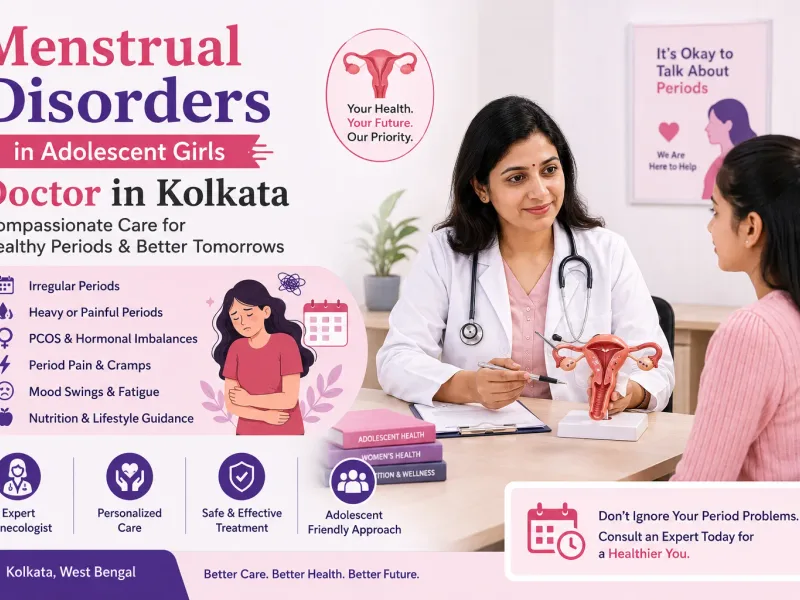
If you are searching for a Menstrual Disorders in Adolescent Girls Doctor in Kolkata, early evaluation by an experienced gynecologist can help identify the underlying cause of irregular or painful periods. While menstrual irregularities are common during the first few years after puberty, persistent
July 31, 2026

If you are searching for a Fibroid & Endometriosis doctor in Kolkata, choosing an experienced gynecologist with expertise in minimally invasive gynecological surgery is essential. Uterine fibroids and endometriosis are two common but different conditions that can cause pelvic pain, heavy menstrual b
July 31, 2026