

Emergency & Help
24/7 Emergency & General Advisory
🚨 24/7 Medical Emergency
Non-Emergency Advisory
10:00 AM – 6:00 PM, Mon–Sat
For appointments & general queries.
24/7 Emergency & General Advisory
🚨 24/7 Medical Emergency
Non-Emergency Advisory
10:00 AM – 6:00 PM, Mon–Sat
For appointments & general queries.
Worried about bruising after getting a birth control implant? Learn what's normal, how to manage it, and when to seek medical advice. Get the facts here.

So, you've just had a birth control implant inserted, and you've noticed a bruise forming. You might be wondering, 'Is this normal?' or 'Should I be concerned?' It's completely understandable to have questions, especially when it comes to your body and new medical procedures. Let's clear the air and talk about what to expect after getting a birth control implant, focusing specifically on bruising.
The birth control implant is a tiny, rod-shaped device, about the size of a matchstick, that a healthcare provider inserts just under the skin of your upper arm. It releases a progestin hormone that prevents pregnancy for up to three years, depending on the type. While it's a highly effective and convenient form of contraception, like any minor medical procedure, there can be some temporary side effects. Bruising is one of the most common, and for many, it's nothing to lose sleep over. But knowing the signs of what's normal versus what might need a doctor's attention is key.
Bruising, medically known as ecchymosis, occurs when tiny blood vessels beneath the skin are damaged and leak blood. When a healthcare provider inserts the birth control implant, they need to make a small incision or use a special needle to place the rod. This process, by its very nature, involves puncturing the skin and underlying tissues, which can inevitably lead to some bleeding and, consequently, bruising. Think of it like any other injection or minor procedure where you might get a small bruise afterwards.
Several factors can influence how much bruising you experience:
Most of the time, the bruising you see will be a typical response to the procedure. It might look a bit alarming, perhaps spreading a little or changing colour from purple to greenish-yellow over a few days, but it should gradually fade.
Beyond bruising, you might experience other temporary effects right after the implant is inserted. These are generally mild and resolve on their own:
Your doctor will typically apply a pressure bandage after the insertion. It's vital to follow their instructions on how long to keep this bandage on – usually around 24 hours. This bandage helps minimize bruising and swelling and protects the small wound from bacteria.
If you're dealing with bruising and soreness, here are some practical tips to help ease the discomfort:
While bruising is common, there are signs that might indicate a more serious issue requiring medical attention. It's important to know these warning signs:
It's worth noting that bruising isn't the only potential side effect of the birth control implant. Like all hormonal contraceptives, it can cause other changes as your body adjusts to the hormones. These can include:
On the flip side, many people find benefits, such as lighter periods or no periods at all, which can be a welcome change for some!
The good news is that most hormonal side effects tend to lessen and often disappear within the first few months as your body gets accustomed to the hormones. If side effects are bothersome and don't improve, don't hesitate to discuss them with your healthcare provider. They can explore options, which might include switching to a different contraceptive method.
A: Bruising from a birth control implant usually lasts about 1 to 2 weeks. It will typically change colour and fade over this period. Soreness and tenderness at the insertion site should also resolve within a few days.
A: It's best to avoid strenuous activities or putting excessive strain on the arm for the first 24-48 hours after insertion to allow the site to begin healing and to minimize bruising. After that, you can generally resume your normal exercise routine, but be mindful of the insertion site.
A: The birth control implant is over 99% effective, making pregnancy very unlikely. However, if you suspect you might be pregnant, take a pregnancy test and contact your healthcare provider immediately. They can advise you on the next steps.
A: While rare, it is possible for the implant to move from its original insertion site (migration). If you feel like the implant has moved, or if you notice a lump or change in the area, see your doctor right away.
A: Signs of infection include increased redness, warmth, swelling, pus or drainage from the site, fever, or chills. If you experience any of these, seek medical attention promptly.
You should contact your healthcare provider if you experience any of the warning signs mentioned earlier, such as signs of infection, severe pain, excessive swelling, or if the implant feels like it has moved. Also, reach out if you have persistent concerns about bruising that doesn't seem to be healing normally, or if you're experiencing side effects that are significantly impacting your quality of life and don't improve after a few months. Remember, your health and peace of mind are paramount. Don't hesitate to seek professional advice when you need it.
Visit Hospital
Near You

A cesarean section (C-section) is a surgical delivery in which a baby is born through an incision in the mother's abdomen and uterus. In Kolkata, several experienced obstetricians and well-equipped hospitals offer C-section services for planned and emergency deliveries. Understanding when a C-sectio
July 31, 2026
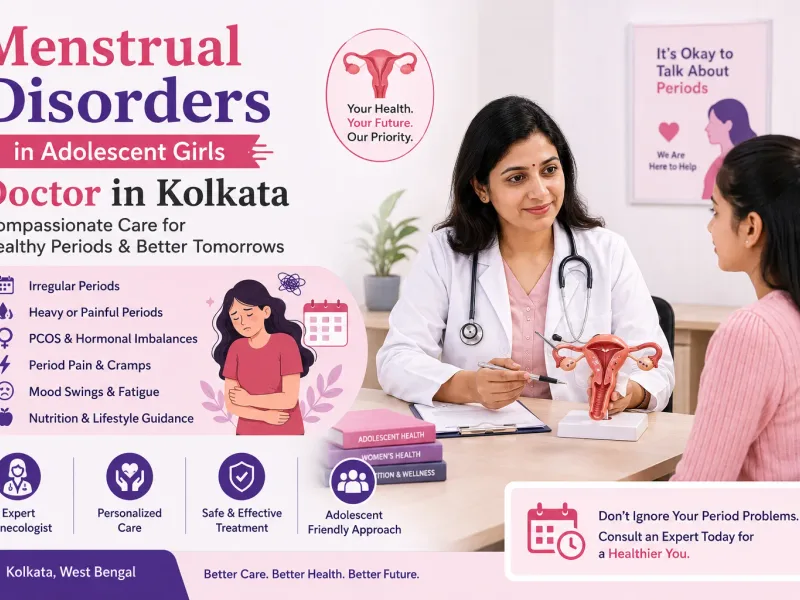
If you are searching for a Menstrual Disorders in Adolescent Girls Doctor in Kolkata, early evaluation by an experienced gynecologist can help identify the underlying cause of irregular or painful periods. While menstrual irregularities are common during the first few years after puberty, persistent
July 31, 2026

If you are searching for a Fibroid & Endometriosis doctor in Kolkata, choosing an experienced gynecologist with expertise in minimally invasive gynecological surgery is essential. Uterine fibroids and endometriosis are two common but different conditions that can cause pelvic pain, heavy menstrual b
July 31, 2026