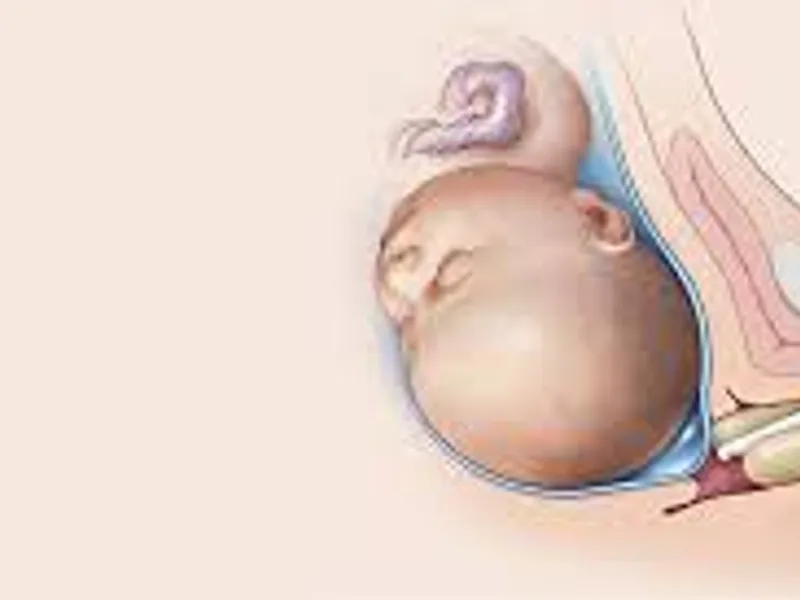
I remember a friend calling me late at night, almost whispering, “It’s been 40 weeks… and nothing. Is something wrong?” That quiet panic is more common than anyone admits. You reach the finish line, but your body doesn’t seem to get the memo. That’s usually when the topic of doctor induced labour at 40 weeks comes up. It can feel a bit forced—literally and emotionally—but sometimes it’s the safest next step, not a rushed one.
Here’s the thing—your due date is more of a guess than a deadline. Many pregnancies stretch beyond 40 weeks, and that’s completely normal. In fact, I’ve seen plenty of cases where labour naturally starts at 41 weeks or even later.
But doctors don’t just wait endlessly. After 40 weeks, especially closer to 41, they start watching more carefully. Placenta function can slowly decline. Amniotic fluid may reduce. These aren’t guaranteed problems, but they’re real risks.
What nobody mentions is how unpredictable labour actually is. One woman might go from zero pain to active labour in hours. Another waits days with no sign. So when there’s no pain at 9 months complete pregnancy, doctors sometimes suggest induction not because something is wrong—but because they don’t want to wait until something is.
Let’s clear the mystery. Induction isn’t one single thing—it’s a process, and it depends on your body.
Usually, it starts with checking your cervix. If it’s not ready (which is common), doctors may use medication or a gel to soften and open it. This part can take hours. Sometimes even a full day. And yes, it can feel frustratingly slow.
Then comes the actual induction. This could involve breaking the water (if it hasn’t already) or giving oxytocin through an IV to trigger contractions. Now this is where things pick up.
Induced contractions can feel stronger and more intense than natural ones. Not always—but often enough that women notice the difference. That’s why pain management matters. Epidural, breathing techniques, walking—whatever works for you.
What tends to work better is staying mentally prepared for the pace. It’s rarely quick. It’s more like a slow build, then suddenly very real.
The part people don’t say out loud
Induction can feel a bit… emotional. Not just physical.
There’s this expectation that labour should “just happen.” Naturally. Smoothly. When it doesn’t, some women feel like their body isn’t cooperating. That’s not fair, but it’s a real feeling.
Honestly, doctor induced labour at 40 weeks isn’t a failure. It’s a decision. A medical one, often made to avoid bigger complications later.
I’ve also seen the opposite—women waiting too long, hoping for natural labour, and then facing emergency situations. That’s far more stressful than a planned induction.
Conclusion
If you’re at 9 months complete pregnancy with no pain, you’re not alone—and you’re not late in any dramatic sense. Bodies don’t follow calendars. But they do need support sometimes. Doctor induced labour at 40 weeks is less about rushing and more about timing things safely.
Talk to your doctor. Ask questions. Understand your options.
At the end of the day, the goal isn’t how labour starts—it’s that both you and your baby come through it healthy.