

Emergency & Help
24/7 Emergency & General Advisory
🚨 24/7 Medical Emergency
Non-Emergency Advisory
10:00 AM – 6:00 PM, Mon–Sat
For appointments & general queries.
24/7 Emergency & General Advisory
🚨 24/7 Medical Emergency
Non-Emergency Advisory
10:00 AM – 6:00 PM, Mon–Sat
For appointments & general queries.
Debunking common myths about birth control, including weight gain, fertility, hair loss, mood changes, and STI protection. Get the facts for informed decisions.

In India, like in many parts of the world, discussions around birth control are often surrounded by myths and misinformation. This can lead to confusion, anxiety, and poor decision-making regarding reproductive health. It's crucial to rely on accurate information to make informed choices about contraception. This article aims to debunk common myths about birth control and present the facts, empowering you with knowledge to navigate your reproductive health journey.
One of the most persistent myths is that hormonal birth control methods, such as the pill, patch, ring, or injection, inevitably lead to significant weight gain. However, scientific evidence suggests otherwise. A comprehensive review in 2021 found insufficient evidence to definitively link hormonal contraceptives to substantial weight gain. While some individuals might experience a slight increase in weight, often less than 5 pounds within the first year, it's not a universal side effect and can be influenced by various lifestyle factors. It's important to remember that weight fluctuations are common and can be due to diet, exercise, stress, and other underlying health conditions, not solely the contraceptive method.
Another common fear is that using birth control will permanently harm one's ability to conceive in the future. This is largely untrue. Most modern birth control methods are designed to be reversible. Once you stop using hormonal contraceptives, your body's natural fertility typically returns within 6 to 12 months, as indicated by a 2023 review. For non-hormonal methods like the copper IUD or barrier methods, fertility returns almost immediately upon discontinuation. There is no 'waiting period' required for fertility to return with these methods. While it might take some time for conception to occur after stopping, this is normal and not a sign of damage caused by the birth control itself.
The idea that the birth control shot (like Depo-Provera) can lead to complete hair loss is alarming but not accurate for most users. While hair loss is a reported side effect by a small percentage of individuals (around 1.1% in clinical trials), it's not a guaranteed outcome. The exact cause can be complex, and it's not always solely attributable to the shot. Some research suggests that older forms of hormonal contraceptives or progestin-only methods might have a slightly higher association with hair loss in some individuals, while others might even experience improved hair growth. If hair loss is a concern, discussing it with a healthcare provider is essential.
Mood changes are a complex issue, and while some individuals report experiencing worsened moods after starting hormonal contraceptives, this is not a universal experience. Conversely, many people find their mood improves, stabilizes, or remains unaffected. The relationship between hormonal contraceptives and mood is still an area of ongoing research. Factors like pre-existing mental health conditions, stress levels, and individual hormonal responses can play a significant role. If you notice significant mood changes, it's vital to consult a doctor to explore potential causes and solutions.
This is a critical misconception. Only barrier methods, such as condoms (both male and female), dental dams, and diaphragms, offer protection against STIs. Hormonal methods like the pill, shot, implant, or IUDs prevent pregnancy but do not protect against infections transmitted through sexual contact. Relying solely on these methods without using condoms increases the risk of contracting or transmitting STIs. For comprehensive protection, it's advisable to use condoms along with another form of contraception if pregnancy prevention is also a goal. Regular STI testing and open communication with sexual partners are also crucial for maintaining sexual health.
The withdrawal method, also known as 'pulling out' before ejaculation, is often perceived as a foolproof way to prevent pregnancy. However, it is one of the least effective methods. Its effectiveness relies heavily on perfect timing and control, which is difficult to achieve consistently. Studies show that the withdrawal method is only about 78% effective when used typically, meaning that 22 out of every 100 people using this method can become pregnant each year. Pre-ejaculate fluid can also contain sperm, making pregnancy possible even if ejaculation doesn't occur inside the vagina. For reliable pregnancy prevention, more effective methods are recommended.
Fertility Awareness-Based Methods (FAMs) involve tracking a woman's menstrual cycle to identify fertile days. While these methods can be effective when used correctly and consistently, their typical effectiveness ranges from 77% to 98%. This means that up to 23 out of every 100 people using FAMs can become pregnant annually. Success with FAMs requires diligent tracking, understanding of one's body, and consistent adherence to the chosen method, often in conjunction with a healthcare provider or trained counselor.
A common concern is whether antibiotics can reduce the effectiveness of hormonal birth control. According to a 2021 review, most common antibiotics, with the exception of rifampin, do not significantly affect the efficacy of hormonal contraceptives. However, it's always wise to consult your doctor or pharmacist if you are prescribed an antibiotic while on birth control, as some interactions are possible, and alternative or backup contraceptive methods might be recommended for added safety.
It's essential to understand that no birth control method, apart from complete abstinence, is 100% effective in preventing pregnancy. The effectiveness of any contraceptive method depends on several factors:
Even with perfect use, there's always a small chance of pregnancy. This is why choosing a method that aligns with your lifestyle, health, and commitment to consistent use is crucial.
While myths often exaggerate risks, it's true that side effects are possible with any contraceptive method. These can range from mild to more significant. Common side effects might include changes in menstrual bleeding, nausea, headaches, or breast tenderness. Less common but more serious side effects can occur, though their incidence is generally low. Discussing your medical history and any concerns with a healthcare professional is the best way to understand the potential risks and benefits of different contraceptive options for you.
Making informed decisions about birth control is vital for your overall health and well-being. It is highly recommended to consult a healthcare professional in the following situations:
Methods of contraception can be broadly categorized as:
Understanding the facts behind birth control is the first step towards making confident and healthy choices about your reproductive health. Don't let myths dictate your decisions; rely on evidence-based information and professional medical guidance.
Visit Hospital
Near You

A cesarean section (C-section) is a surgical delivery in which a baby is born through an incision in the mother's abdomen and uterus. In Kolkata, several experienced obstetricians and well-equipped hospitals offer C-section services for planned and emergency deliveries. Understanding when a C-sectio
July 31, 2026
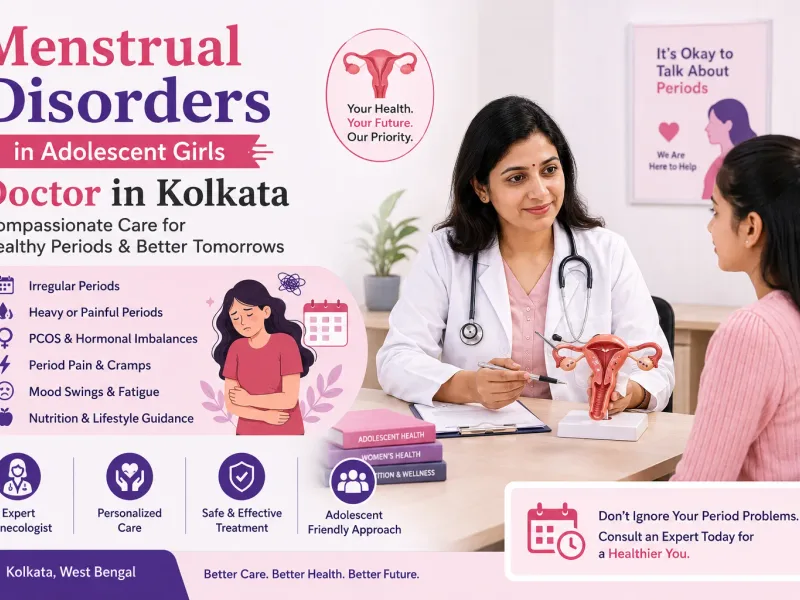
If you are searching for a Menstrual Disorders in Adolescent Girls Doctor in Kolkata, early evaluation by an experienced gynecologist can help identify the underlying cause of irregular or painful periods. While menstrual irregularities are common during the first few years after puberty, persistent
July 31, 2026

If you are searching for a Fibroid & Endometriosis doctor in Kolkata, choosing an experienced gynecologist with expertise in minimally invasive gynecological surgery is essential. Uterine fibroids and endometriosis are two common but different conditions that can cause pelvic pain, heavy menstrual b
July 31, 2026