

Emergency & Help
24/7 Emergency & General Advisory
🚨 24/7 Medical Emergency
Non-Emergency Advisory
10:00 AM – 6:00 PM, Mon–Sat
For appointments & general queries.
24/7 Emergency & General Advisory
🚨 24/7 Medical Emergency
Non-Emergency Advisory
10:00 AM – 6:00 PM, Mon–Sat
For appointments & general queries.
Young Indian women are increasingly diagnosed with breast cancer. Learn about the risks, symptoms, and early detection strategies crucial for your health.

Breast cancer might seem like a distant concern, something that affects older women. However, a growing number of young women in India, even in their 20s and 30s, are being diagnosed with this disease. This trend is concerning because, unlike older age groups, routine screening isn't typically recommended for younger women, which can sometimes lead to delayed diagnosis. Understanding the risks, symptoms, and what you can do is your first line of defence.
While breast cancer is most commonly diagnosed in women between 65 and 74 years old, statistics show a worrying rise in younger populations. In India, and globally, breast cancer is now one of the most common cancers affecting women under 40. For instance, data suggests that women under 40 account for a significant percentage of new breast cancer cases. This isn't just a statistic; it represents real women, mothers, daughters, and friends facing a serious health challenge at a stage of life often focused on career, family, and personal growth.
The implications of a diagnosis at this age are profound. Younger women diagnosed with breast cancer often face unique challenges. The disease can be more aggressive, and unfortunately, it's sometimes diagnosed at later stages. This can impact treatment effectiveness and long-term outlook. It's vital for young women to be aware that breast cancer can affect them and to know what signs to look out for.
While anyone can develop breast cancer, certain factors can increase your risk, especially at a younger age:
It's important to remember that having risk factors doesn't guarantee you'll get breast cancer, and many women who develop it have no known risk factors other than being female.
Early detection is key, and this starts with knowing your own body. Most young women discover a breast abnormality themselves, which highlights the importance of regular breast self-awareness. This isn't about performing a rigid, monthly exam, but rather about being familiar with how your breasts normally look and feel so you can notice any changes.
Common Signs and Symptoms of Breast Cancer in Young Women:
A Real-Life Scenario: Priya, a 32-year-old marketing manager, noticed a small, painless lump in her left breast during her shower. She initially dismissed it, thinking it was hormonal, but a week later, it still felt firm and different. She decided to get it checked by her gynaecologist, who referred her for further tests.
If you notice a change or have concerns, your doctor will likely start with a physical examination. Based on your age, symptoms, and risk factors, they may recommend one or more of the following:
Treatment for breast cancer is highly personalized and depends on the type of cancer, its stage, grade, and whether it's hormone-receptor-positive or HER2-positive. For younger women, treatment plans often consider the impact on fertility and long-term health.
Doctors will discuss fertility preservation options with young women before starting treatments like chemotherapy or radiation, which can affect fertility.
While not all breast cancer is preventable, you can take steps to lower your risk and improve your chances of early detection:
Don't hesitate to seek medical advice if you notice any of the following:
It's always better to get checked out, even if you think it might be nothing. Your peace of mind and your health are paramount.
While less common than in older women, breast cancer can occur in women in their 20s. It's considered rare, but the incidence is increasing. Early detection through self-awareness is crucial.
Many young women diagnosed with breast cancer can still have children. Doctors often discuss fertility preservation options before treatment begins. Some treatments themselves may affect fertility, so it's essential to have this conversation with your oncologist.
No. Many lumps or changes in the breast in young women are benign (non-cancerous), such as cysts or fibroadenomas. However, any new or concerning change should always be evaluated by a healthcare professional to rule out cancer.
Instead of a rigid schedule, focus on breast self-awareness. Get to know your breasts so you can recognize any changes. If you notice something unusual, consult your doctor promptly.
Visit Hospital
Near You
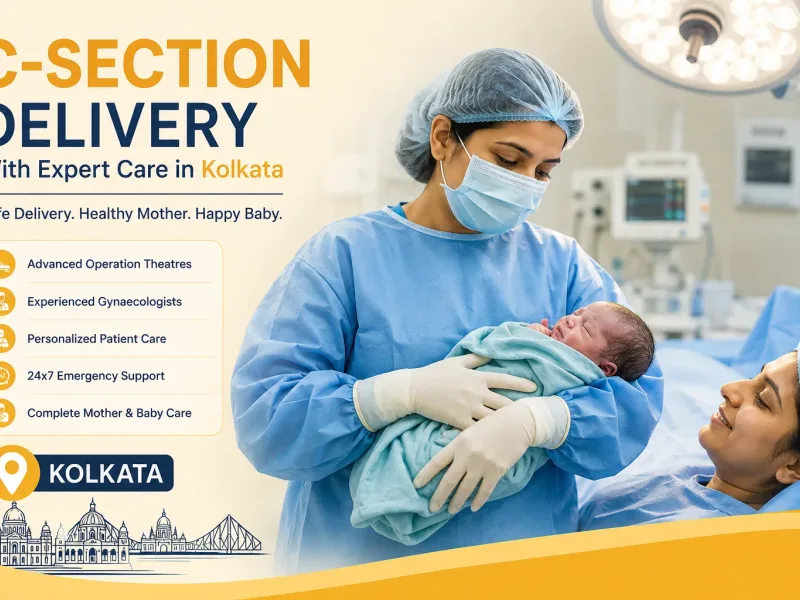
A cesarean section (C-section) is a surgical delivery in which a baby is born through an incision in the mother's abdomen and uterus. In Kolkata, several experienced obstetricians and well-equipped hospitals offer C-section services for planned and emergency deliveries. Understanding when a C-sectio
July 31, 2026
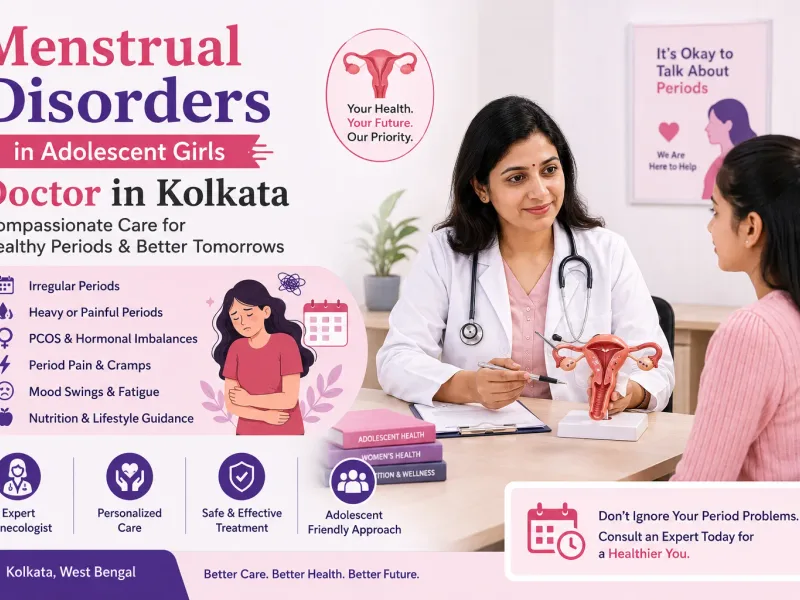
If you are searching for a Menstrual Disorders in Adolescent Girls Doctor in Kolkata, early evaluation by an experienced gynecologist can help identify the underlying cause of irregular or painful periods. While menstrual irregularities are common during the first few years after puberty, persistent
July 31, 2026
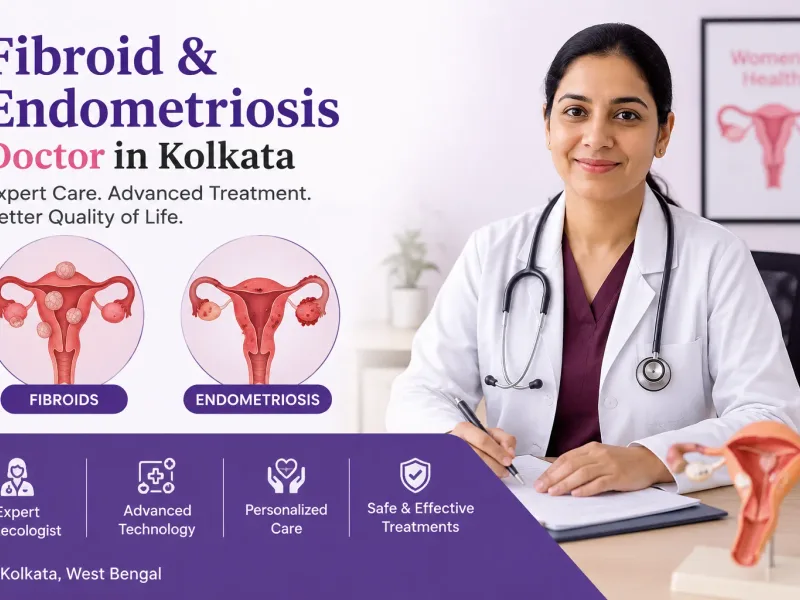
If you are searching for a Fibroid & Endometriosis doctor in Kolkata, choosing an experienced gynecologist with expertise in minimally invasive gynecological surgery is essential. Uterine fibroids and endometriosis are two common but different conditions that can cause pelvic pain, heavy menstrual b
July 31, 2026