

Emergency & Help
24/7 Emergency & General Advisory
🚨 24/7 Medical Emergency
Non-Emergency Advisory
10:00 AM – 6:00 PM, Mon–Sat
For appointments & general queries.
24/7 Emergency & General Advisory
🚨 24/7 Medical Emergency
Non-Emergency Advisory
10:00 AM – 6:00 PM, Mon–Sat
For appointments & general queries.
Discover the common types of breast lumps, understand what's normal, and know when to seek medical advice. Most lumps are benign!

Finding a lump in your breast can be a genuinely frightening experience. The immediate thought often jumps to the worst-case scenario: cancer. We understand this fear. It’s a natural reaction when faced with something unknown in such a sensitive area. However, it's absolutely vital to know that the vast majority of breast lumps are not cancerous. In fact, research suggests that a significant percentage, estimated between 60% and 80%, are benign, meaning they are noncancerous. These benign lumps can arise from a variety of everyday reasons, and understanding them can help ease your mind and guide you on the right path forward.
Your breast tissue naturally changes throughout your life, influenced by hormones, your menstrual cycle, and life stages like pregnancy and breastfeeding. These changes can sometimes manifest as lumps that are completely normal and harmless. This guide aims to shed light on these common, non-cancerous breast lumps, their causes, and what to expect. We’ll also cover when it’s important to seek medical advice, because while most lumps are benign, paying attention to your body is always the best approach.
Let's explore some of the common types of lumps you might encounter:
Breast cysts are fluid-filled sacs that are incredibly common, particularly in women approaching menopause. They can feel like smooth, round or oval lumps, and they might be soft or firm to the touch. A characteristic feature of cysts is their tendency to fluctuate in size and tenderness, often becoming more noticeable and uncomfortable in the days leading up to your period. This is due to hormonal influences. Cysts can develop quite rapidly and are generally caused by blocked breast glands. While usually noncancerous, they can sometimes cause discomfort.
Fibroadenomas are another very common type of benign breast lump. They are solid lumps made up of glandular and fibrous breast tissue. These lumps typically feel firm, rubbery, and smooth, often with a well-defined border, making them easily movable under the skin. They don't usually cause pain and can appear in one or both breasts. Fibroadenomas are more common in younger women, typically between the ages of 15 and 35, but they can occur at any age.
Adenosis is a non-cancerous condition where the lobules (the milk-producing glands) in your breast become enlarged, and there might be an increase in the number of lobules. Sometimes, this enlargement can form a lump that you can feel. In a specific type called sclerosing adenosis, these enlarged lobules become misshapen due to the development of scar-like tissue. This can sometimes make the lump feel harder and may even cause breast pain. Because the feel of these lumps can sometimes mimic cancerous lumps on examination, a doctor might recommend a biopsy to confirm the diagnosis and rule out any concerns. Thankfully, adenosis usually doesn't require specific treatment.
Also known as a milk retention cyst, a galactocele is a lump filled with milk. These typically occur in women who are breastfeeding or have recently stopped. They form when a milk duct becomes blocked, causing milk to back up and form a cyst. Galactocele lumps are usually round, smooth, and movable. They are benign and generally resolve on their own or with some help, like gentle massage or warm compresses.
A hematoma is essentially a collection of blood that has leaked out of a blood vessel and clotted (or partially clotted) outside of it. In the breast, this can happen due to trauma or injury, such as a direct blow or even after surgery. A hematoma might appear as a swollen, tender lump. You might even feel a sense of fluid moving within the lump. These can develop some time after an event, perhaps a week or two after surgery. They are the body's way of healing after an injury.
While less common than cysts or fibroadenomas, a breast abscess is a pocket of pus that forms due to a bacterial infection. It presents as a sore, painful lump accompanied by inflammation. Other symptoms can include redness, warmth, fever, fatigue, and sometimes nipple discharge. An abscess requires prompt medical attention, often involving examination, antibiotics, and possibly draining the pus to clear the infection.
It's important to remember that men can also develop breast lumps, although it is far less common than in women. Benign breast lumps are rarer in men. However, some breast cancers can present as a lump in men. One of the most common male breast conditions is gynecomastia. This isn't a tumor but rather an enlargement of the breast tissue itself, often due to a hormonal imbalance. It might feel like a small, disc-like growth under the nipple. While not cancerous, any breast lump in a man warrants a medical evaluation to determine its cause.
Even though most breast lumps are benign, it's never a good idea to ignore a new lump or any changes in your breast. Self-diagnosis can be misleading and delay necessary care. The best course of action is always to consult a healthcare professional. Here’s when you should definitely make that call:
Don't let fear paralyze you. Early detection and professional evaluation are key to peace of mind and effective management, whatever the cause of the lump may be.
When you visit your doctor about a breast lump, they will likely perform a clinical breast exam. They will ask you questions about your medical history, family history, and any symptoms you're experiencing. Based on these initial assessments, they might recommend further tests:
To help your doctor make the most accurate assessment, it's useful to prepare some information:
Being prepared can make your appointment more efficient and help alleviate some of your anxiety.
While you can't always prevent benign breast lumps from forming, maintaining a healthy lifestyle can contribute to overall breast health. This includes:
Regular breast self-awareness – knowing what is normal for your breasts and paying attention to any changes – is your best tool.
Yes, absolutely. Many benign breast lumps, such as fibroadenomas and some cysts, are completely painless. Pain is not always an indicator of severity, and painless lumps certainly require the same medical attention as painful ones.
Some lumps, like cysts, can develop quite rapidly, sometimes appearing within a few days. Others, like fibroadenomas, may develop more gradually over weeks or months. The speed of development doesn't automatically indicate whether a lump is benign or malignant.
While some anecdotal evidence suggests a link between caffeine and breast pain or lumpiness for some individuals, there is no strong scientific consensus that coffee directly causes or worsens benign breast lumps. If you notice a correlation between your caffeine intake and discomfort, you might consider reducing your intake, but it's not a universal recommendation for preventing lumps.
Remember, knowledge is power. Understanding the common causes of breast lumps can help you navigate this concern with greater confidence. Always prioritize consulting with your doctor for any new or changing breast lumps. Your health is paramount.
Visit Hospital
Near You

A cesarean section (C-section) is a surgical delivery in which a baby is born through an incision in the mother's abdomen and uterus. In Kolkata, several experienced obstetricians and well-equipped hospitals offer C-section services for planned and emergency deliveries. Understanding when a C-sectio
July 31, 2026
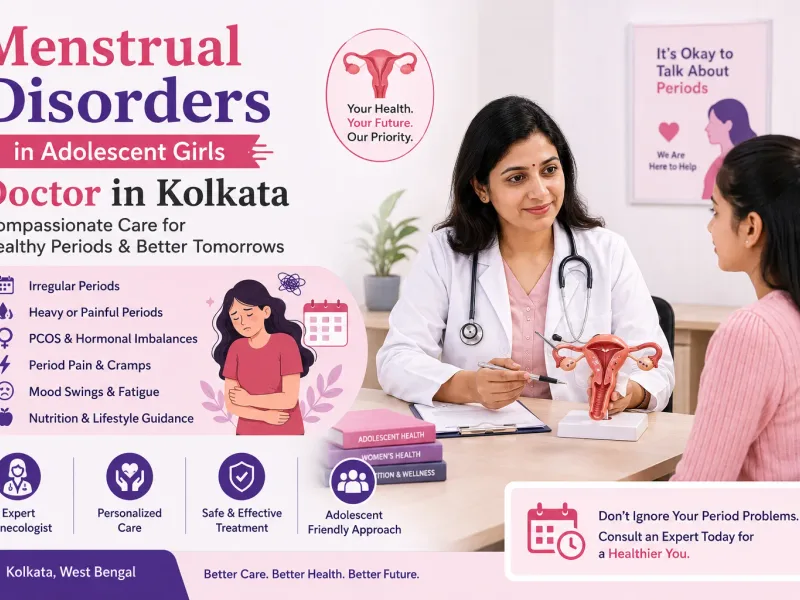
If you are searching for a Menstrual Disorders in Adolescent Girls Doctor in Kolkata, early evaluation by an experienced gynecologist can help identify the underlying cause of irregular or painful periods. While menstrual irregularities are common during the first few years after puberty, persistent
July 31, 2026

If you are searching for a Fibroid & Endometriosis doctor in Kolkata, choosing an experienced gynecologist with expertise in minimally invasive gynecological surgery is essential. Uterine fibroids and endometriosis are two common but different conditions that can cause pelvic pain, heavy menstrual b
July 31, 2026