

Emergency & Help
24/7 Emergency & General Advisory
🚨 24/7 Medical Emergency
Non-Emergency Advisory
10:00 AM – 6:00 PM, Mon–Sat
For appointments & general queries.
24/7 Emergency & General Advisory
🚨 24/7 Medical Emergency
Non-Emergency Advisory
10:00 AM – 6:00 PM, Mon–Sat
For appointments & general queries.
Explore the disparities, challenges, and triumphs of breastfeeding for Black mothers. Discover practical support and resources to navigate the journey successfully.

Breastfeeding is a natural and beautiful way to nourish your baby and build a strong bond. The American Academy of Pediatrics recommends exclusive breastfeeding for the first six months of life, highlighting its numerous health benefits for both mother and child. However, for Black mothers in India and across the globe, the journey to breastfeeding can be met with unique challenges. This article explores the disparities in breastfeeding rates among Black mothers, delves into the historical, cultural, and systemic factors contributing to these differences, and offers practical advice and resources to support Black mothers in their breastfeeding endeavors.
Statistics reveal a noticeable gap in breastfeeding initiation and duration between Black mothers and their counterparts. While the overall rates of breastfeeding are increasing, a significant disparity persists. For instance, data from the Centers for Disease Control and Prevention (CDC) show that a higher percentage of white babies are breastfed compared to Black babies. This difference isn't a reflection of choice alone; it's often shaped by a complex interplay of societal factors.
Consider the experience of Lisa, a new mother from Mumbai. She planned to breastfeed her baby exclusively. However, shortly after birth, she was surprised when infant formula was offered to her daughter without a thorough discussion about breastfeeding benefits. Her husband had to intervene to ensure her wishes were respected. This scenario, unfortunately, is not uncommon and highlights how assumptions and a lack of proactive support can impact a mother's breastfeeding journey right from the start.
Several interconnected factors contribute to the lower breastfeeding rates observed among Black mothers:
Despite the challenges, breastfeeding offers a wealth of benefits for both Black mothers and their babies, impacting health and well-being from infancy through adulthood.
Overcoming the barriers to breastfeeding requires a multi-faceted approach involving individual strategies, community support, and systemic changes. Here's how Black mothers can find the support they need:
Educate yourself about the benefits of breastfeeding and common challenges before your baby arrives. Attend prenatal classes focused on breastfeeding. Understanding the process and potential hurdles can empower you to navigate them.
Connect with other breastfeeding mothers, especially those from similar backgrounds. Support groups, both online and in-person, can provide invaluable emotional support, practical tips, and a sense of community. Look for local lactation consultants or peer counselors who can offer personalized guidance.
Be an advocate for yourself and your baby. Clearly communicate your desire to breastfeed to your doctor and nurses. Don't hesitate to ask questions and seek clarification. If you feel your concerns are not being addressed, consider seeking a second opinion or finding a healthcare provider who is more supportive of breastfeeding.
If you are returning to work, explore your rights and options regarding breastfeeding accommodations. Many regions have laws that require employers to provide reasonable break time and a private space for nursing mothers to express milk. Speak to your HR department well in advance to plan for your return.
Many organizations offer resources for breastfeeding mothers. These can include lactation consultants, breastfeeding hotlines, community support programs, and educational materials. Research local resources available in your area.
It's important to remember that breastfeeding isn't always easy. Many mothers experience challenges like latch issues, engorgement, or low milk supply. If you are struggling:
Hospitals that have achieved a “baby-friendly hospital” designation often have policies and practices in place that are highly supportive of breastfeeding mothers. These hospitals prioritize practices like immediate skin-to-skin contact after birth, exclusive breastfeeding education, and providing support from trained staff. If possible, choose a facility that is recognized for its commitment to supporting breastfeeding mothers.
While individual choices vary, historical factors and systemic issues, rather than inherent cultural reasons, have been identified as significant contributors to disparities. Assumptions by healthcare providers and the need to return to work early are often cited as major obstacles.
This is a common concern, and it's essential to consult with a lactation consultant or your pediatrician immediately. They can assess your baby's latch, feeding patterns, and weight gain to provide appropriate guidance and support. Often, minor adjustments can make a big difference.
Your partner can be an incredible source of support by understanding the challenges, offering emotional encouragement, helping with household tasks, and advocating for your needs. They can also help by bringing the baby to you for feedings and burping the baby after feeds.
Supplementing with formula is a personal decision and should be made in consultation with a healthcare provider. While exclusive breastfeeding is recommended, any breast milk is beneficial. The goal is to find a balance that works for you and your baby, with support to maximize breastfeeding efforts.
Breastfeeding is a journey that, while incredibly rewarding, can present unique hurdles for Black mothers. By understanding these challenges, seeking out robust support systems, and advocating for your needs, you can navigate this path with confidence. Remember, you are not alone, and resources are available to help you and your baby thrive.
Visit Hospital
Near You
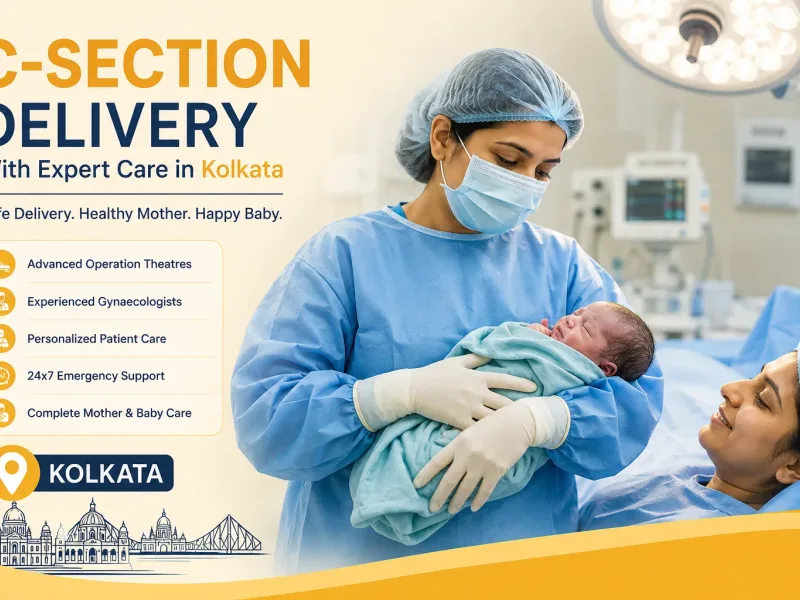
A cesarean section (C-section) is a surgical delivery in which a baby is born through an incision in the mother's abdomen and uterus. In Kolkata, several experienced obstetricians and well-equipped hospitals offer C-section services for planned and emergency deliveries. Understanding when a C-sectio
July 31, 2026
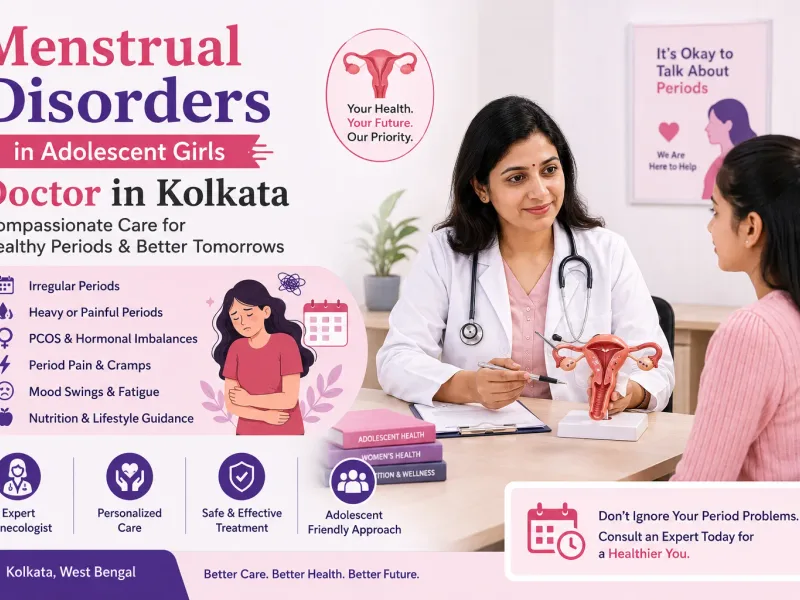
If you are searching for a Menstrual Disorders in Adolescent Girls Doctor in Kolkata, early evaluation by an experienced gynecologist can help identify the underlying cause of irregular or painful periods. While menstrual irregularities are common during the first few years after puberty, persistent
July 31, 2026

If you are searching for a Fibroid & Endometriosis doctor in Kolkata, choosing an experienced gynecologist with expertise in minimally invasive gynecological surgery is essential. Uterine fibroids and endometriosis are two common but different conditions that can cause pelvic pain, heavy menstrual b
July 31, 2026