

Emergency & Help
24/7 Emergency & General Advisory
🚨 24/7 Medical Emergency
Non-Emergency Advisory
10:00 AM – 6:00 PM, Mon–Sat
For appointments & general queries.
24/7 Emergency & General Advisory
🚨 24/7 Medical Emergency
Non-Emergency Advisory
10:00 AM – 6:00 PM, Mon–Sat
For appointments & general queries.
Navigating breastfeeding with larger breasts can present unique challenges. Learn essential tips, comfortable holds, and strategies to manage concerns for a successful breastfeeding journey.

Many new mothers wonder if their breast size will impact their breastfeeding journey. If you have larger breasts, you might assume this is a huge advantage, leading to ample milk supply and easy feeding. However, the reality can be quite different! While everyone's experience is unique, larger breasts can present specific challenges that many women navigate. This guide is here to help you understand these potential hurdles and provide practical tips and techniques to make breastfeeding with larger breasts a more comfortable and successful experience for both you and your baby.
Having larger breasts can introduce some unique difficulties during breastfeeding. Let's explore these common concerns:
One of the primary worries for mothers with larger breasts is ensuring their baby's safety and comfort during feeding. You might be concerned about your baby's nose getting blocked by your breast or their head becoming trapped, making it difficult to breathe. While these fears are understandable, finding the right breastfeeding position can significantly alleviate these worries. The thought of accidentally harming your little one while trying to feed them can add to the stress of new parenthood, but with the right techniques, you can breastfeed confidently.
Larger breasts often hang lower, which can lead to an unconscious tendency to lean forward and bring your breast to your baby, rather than bringing your baby to your breast. This posture can quickly result in significant neck and back pain. Additionally, hunching over during feeds and supporting the extra weight on your chest can exacerbate shoulder and upper back discomfort. It's essential to prioritize good posture and support to prevent these issues.
A successful latch requires your baby to take a good portion of your areola into their mouth. For a newborn, this can be challenging with larger breasts, as they may struggle to open their mouth wide enough for a deep and effective latch. Finding the right position that facilitates a good latch is key, and we’ll cover some helpful positions below.
Larger breasts can sometimes obstruct your view, making it harder to see exactly how your baby is latching and if the feeding is progressing well. You might not be able to easily observe subtle cues like your baby's chin dropping or their nose flaring, which are comforting indicators for many breastfeeding mothers. Maintaining a clear line of sight is important for ensuring a proper latch and comfortable feeding session.
Beyond the specific challenges related to breast size, mothers with larger breasts can also experience the usual difficulties that any breastfeeding parent might encounter. These can include concerns about milk supply (both oversupply and undersupply), nipple pain, engorgement, and mastitis. It's reassuring to know that you're not alone in facing these common breastfeeding hurdles.
A common misconception is that larger breasts automatically mean a greater milk supply. This simply isn't true. The amount of milk a mother produces is primarily determined by the number of milk ducts, not the amount of fatty tissue in the breast. Different women have varying proportions of ducts and fatty tissue, regardless of their breast size. Therefore, mothers with larger breasts can experience issues with both oversupply and undersupply, just like mothers with smaller breasts. Your breast size is not a direct indicator of your milk production capacity.
If you are concerned about your milk supply, regardless of breast size, several effective strategies can help:
Most people do not notice early warning signs right away. That is common. A simple symptom diary, basic routine checks, and timely follow-up visits can prevent small problems from becoming serious.
If you are already on treatment, stay consistent with medicines and lifestyle advice. If your symptoms change, do not guess. Check with a qualified doctor and update your plan early.
Write down symptoms, triggers, and timing for a few days.
Carry old prescriptions and test reports to your consultation.
Ask clearly about side effects, red-flag signs, and follow-up dates.
Seek urgent care for severe pain, breathing trouble, bleeding, fainting, or sudden worsening.
Visit Hospital
Near You

A cesarean section (C-section) is a surgical delivery in which a baby is born through an incision in the mother's abdomen and uterus. In Kolkata, several experienced obstetricians and well-equipped hospitals offer C-section services for planned and emergency deliveries. Understanding when a C-sectio
July 31, 2026
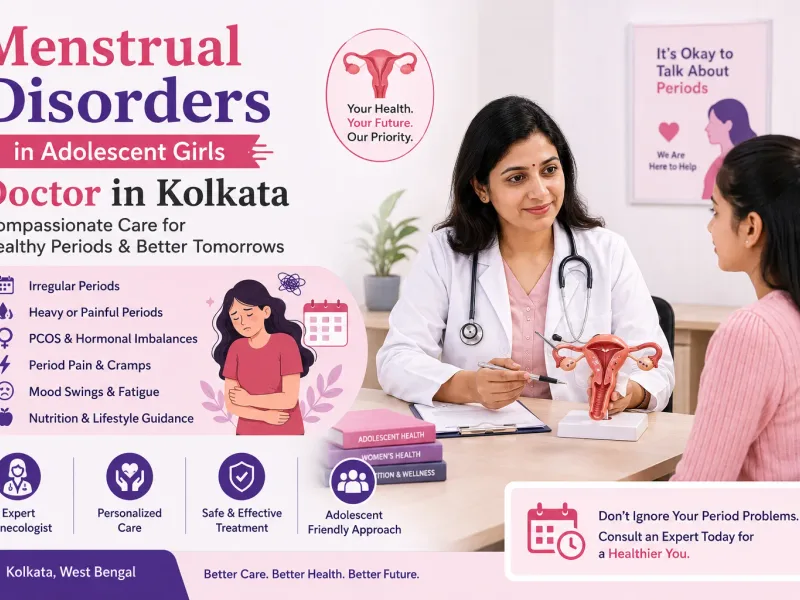
If you are searching for a Menstrual Disorders in Adolescent Girls Doctor in Kolkata, early evaluation by an experienced gynecologist can help identify the underlying cause of irregular or painful periods. While menstrual irregularities are common during the first few years after puberty, persistent
July 31, 2026

If you are searching for a Fibroid & Endometriosis doctor in Kolkata, choosing an experienced gynecologist with expertise in minimally invasive gynecological surgery is essential. Uterine fibroids and endometriosis are two common but different conditions that can cause pelvic pain, heavy menstrual b
July 31, 2026