

Emergency & Help
24/7 Emergency & General Advisory
🚨 24/7 Medical Emergency
Non-Emergency Advisory
10:00 AM – 6:00 PM, Mon–Sat
For appointments & general queries.
24/7 Emergency & General Advisory
🚨 24/7 Medical Emergency
Non-Emergency Advisory
10:00 AM – 6:00 PM, Mon–Sat
For appointments & general queries.
Explore the pros and cons of women shaving their faces, understand vellus vs. terminal hair, learn safe shaving techniques, and discover alternative hair removal methods.

The idea of women shaving their faces might sound unusual to some, perhaps even a little taboo. Yet, for centuries, women have sought ways to achieve smooth, clear skin. While methods like waxing, threading, and laser hair removal are common, facial shaving is a technique that many women, including some celebrities, have discreetly adopted. But should you shave your face? Let's explore the facts, the potential benefits, and the risks involved, keeping in mind the unique needs of women's skin.
Every woman has facial hair. It's a natural part of our biology. This hair generally falls into two categories:
Facial shaving can be a method to remove both types of hair, offering a clean slate for your skin.
When done correctly, shaving your face can offer several advantages:
Shaving acts as a form of mechanical exfoliation. It gently sloughs off dead skin cells along with the fine vellus hairs. This process can reveal fresher, brighter skin underneath, making your complexion appear more even and radiant. For many, this also creates a perfect canvas for makeup application, allowing foundation and other products to glide on smoothly and last longer without catching on fine hairs.
Facial hair, whether vellus or terminal, can be a source of self-consciousness for some women. If you've felt uncomfortable or worried about visible facial hair, removing it can significantly improve your self-esteem and how you feel about your appearance. Feeling confident in your own skin is a powerful benefit.
Compared to other hair removal techniques, shaving is relatively quick, inexpensive, and can be done in the privacy of your own home. With the right tools and technique, it's a manageable option for regular upkeep.
While shaving offers benefits, it's essential to be aware of the potential downsides:
This is a common concern, particularly when dealing with terminal hair. Shaving can sometimes cause the hair to grow back into the skin, leading to painful, red bumps. These can be uncomfortable and may even become infected if not managed properly.
There's always a risk of nicks and cuts, especially when you're new to shaving your face. Razor burn, characterized by redness and a stinging sensation, is also a possibility. Over-exfoliation from shaving can also lead to dryness, flaking, and itching.
If you're shaving terminal hair, you might notice it starts to grow back relatively quickly. Because shaving cuts the hair blunt, it can feel stubbly and may appear as a slight shadow on the skin, similar to a man's beard shadow. This means you might need to shave more frequently to maintain smoothness.
If you have sensitive skin, or conditions like eczema, psoriasis, or active acne, shaving can worsen irritation, cause discomfort, and potentially lead to infection. It's generally best to avoid shaving over broken or inflamed skin.
This is a persistent myth, but it's not true. Shaving does not alter the hair follicle or change the hair's growth rate, thickness, or color. When you shave, you're simply cutting the hair shaft at the skin's surface. The blunt edge that remains can feel coarser as it grows out, creating the illusion that the hair is thicker or darker. However, the hair itself hasn't changed fundamentally.
If you decide shaving is the right option for you, follow these steps to minimize risks and maximize benefits:
Priya, a 35-year-old homemaker from Mumbai, noticed fine, dark hair on her upper lip and chin that made her feel self-conscious, especially when meeting new people. She tried bleaching but found it irritating. After researching, she decided to try facial shaving with a new, clean razor, using a gentle shaving cream and following the 'with the grain' technique. She was pleasantly surprised by the smooth results and how much better her makeup looked, though she did experience a slight dryness afterward, which her moisturizer quickly resolved.
While facial shaving can be a safe option for many, there are times when it's best to pause or consult a professional:
If shaving isn't for you, other effective hair removal methods include:
Shaving itself doesn't typically cause acne. However, improper shaving techniques, using dirty razors, or shaving over active breakouts can lead to irritation or infection, which might manifest as pimples. Also, if you have oily or acne-prone skin, the blunt hair regrowth might feel more noticeable.
This depends on your hair growth rate and personal preference. For vellus hair, you might shave less frequently, perhaps once every few weeks. For terminal hair, you might need to shave every few days to a week to maintain smoothness.
While some women do shave stray eyebrow hairs, it's generally not recommended to shave the main eyebrow shape. Eyebrows are delicate, and shaving can lead to uneven results, nicks, and a 'shadow' effect. Methods like waxing or threading are often preferred for shaping.
Visit Hospital
Near You

A cesarean section (C-section) is a surgical delivery in which a baby is born through an incision in the mother's abdomen and uterus. In Kolkata, several experienced obstetricians and well-equipped hospitals offer C-section services for planned and emergency deliveries. Understanding when a C-sectio
July 31, 2026
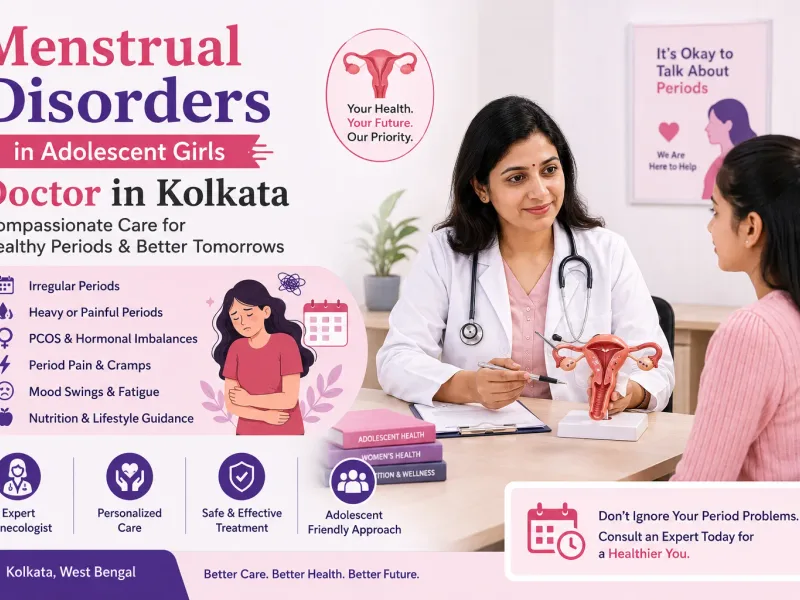
If you are searching for a Menstrual Disorders in Adolescent Girls Doctor in Kolkata, early evaluation by an experienced gynecologist can help identify the underlying cause of irregular or painful periods. While menstrual irregularities are common during the first few years after puberty, persistent
July 31, 2026

If you are searching for a Fibroid & Endometriosis doctor in Kolkata, choosing an experienced gynecologist with expertise in minimally invasive gynecological surgery is essential. Uterine fibroids and endometriosis are two common but different conditions that can cause pelvic pain, heavy menstrual b
July 31, 2026