

Emergency & Help
24/7 Emergency & General Advisory
🚨 24/7 Medical Emergency
Non-Emergency Advisory
10:00 AM – 6:00 PM, Mon–Sat
For appointments & general queries.
24/7 Emergency & General Advisory
🚨 24/7 Medical Emergency
Non-Emergency Advisory
10:00 AM – 6:00 PM, Mon–Sat
For appointments & general queries.
Understand if you can get a Pap smear during your period, how it might affect results, and why it's vital not to skip this screening. Get expert insights for Indian women.
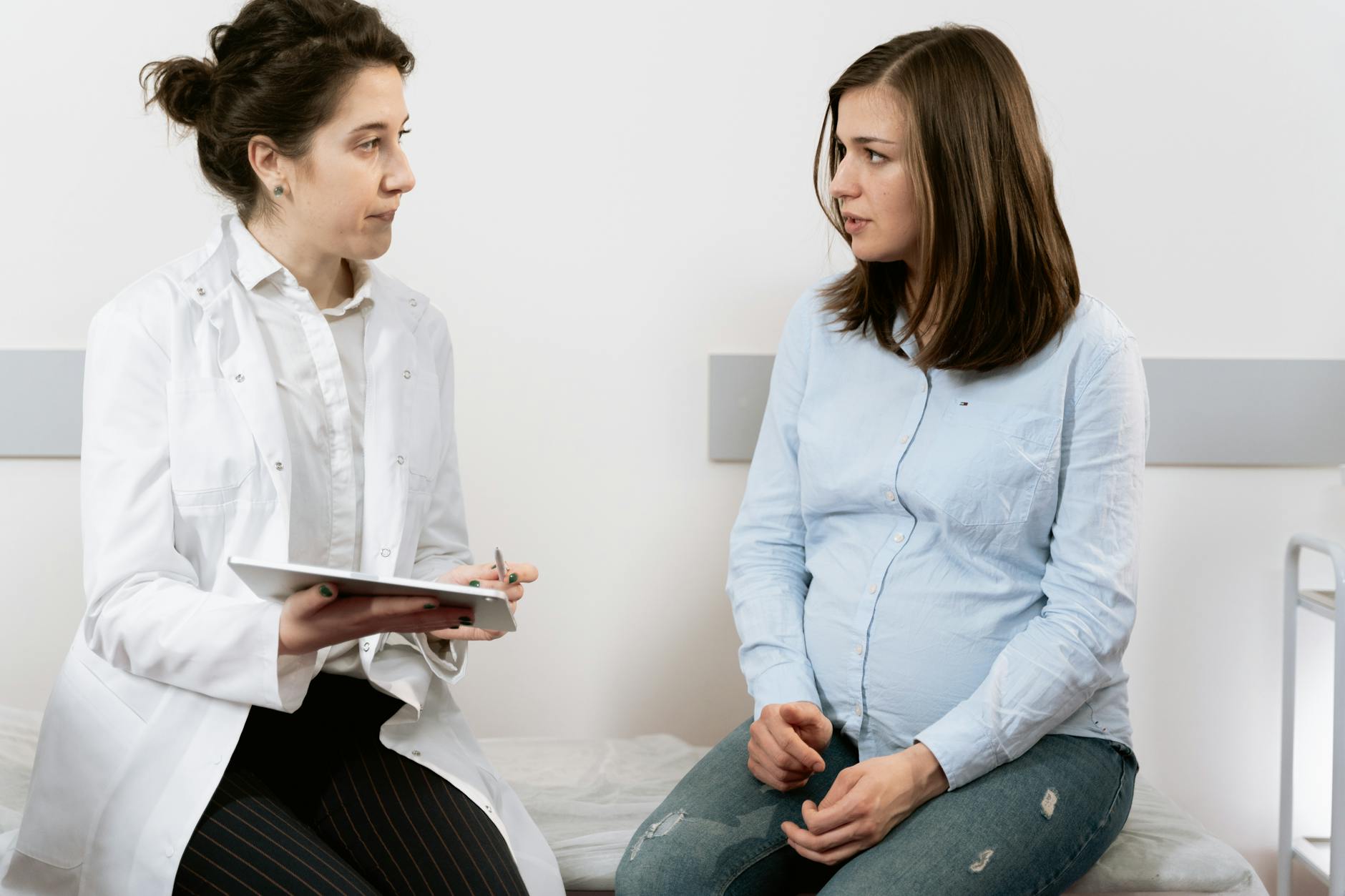
The Pap smear, or Pap test, stands as a cornerstone in women's health, a vigilant guardian against the silent threat of cervical cancer. It’s a screening test designed to catch those early cellular changes that, left unchecked, could potentially transform into cancer. For many women in India, and indeed globally, understanding when and how to undergo this vital examination is key. But a common question arises, often tinged with a bit of anxiety: Can you have a Pap smear done while you're on your period? This is a query that touches upon the practicalities of scheduling and the nuances of medical accuracy. Let's explore this topic with clarity and empathy, ensuring you have the information you need to make informed decisions about your health.
Before we dive into the specifics of menstruation, let's refresh our understanding of what a Pap smear entails. The test involves collecting a small sample of cells from your cervix, the lower, narrow part of your uterus that opens into your vagina. This sample is then sent to a laboratory for microscopic examination. The primary goal is to identify any abnormal cells, particularly those that show changes caused by the human papillomavirus (HPV). Persistent HPV infections are a major risk factor for developing cervical cancer. Regular Pap tests are your best defence, allowing for early detection and treatment when outcomes are most favourable.
Health authorities, like the Office on Women’s Health, typically recommend a Pap smear every 3 to 5 years for women, depending on their age and medical history. For instance, women aged 21 and older are often advised to have the test every three years. If your doctor also performs an HPV test concurrently, the screening interval might be extended. It's crucial to adhere to these guidelines, as they are based on extensive research aimed at maximizing protection.
Now, let's address the elephant in the room: your period. The short answer? Technically, yes, you can often have a Pap smear performed while you are menstruating. However, and this is a significant 'however,' the presence of menstrual blood can potentially interfere with the accuracy of the test results. Imagine trying to see clear water in a cloudy glass; the blood can obscure the cells being examined, making it harder for the lab to get a definitive picture.
It’s worth noting that a small amount of spotting might not pose as significant a problem as a heavy menstrual flow. If you're experiencing light spotting, the impact on the test's accuracy is likely to be minimal. However, if your period is heavy, the chances of interference increase considerably.
Medical guidelines and expert opinions offer a balanced perspective. While the Cancer Institute of New South Wales suggests scheduling Pap smears during the middle of your cycle (roughly 9 to 20 days after the first day of your period) for optimal results, they also emphasize a very important point: it's far better to have the test done, even if you are on your period, than to miss the appointment altogether. Skipping a vital screening due to scheduling conflicts with your cycle carries a greater risk than potentially having a slightly less accurate result that might require a re-test.
The American College of Obstetricians and Gynecologists (ACOG) and the Centers for Disease Control and Prevention (CDC) echo this sentiment. Their priority is ensuring women receive regular screenings. While they acknowledge that a period *can* affect results, they generally advise against automatically rescheduling unless the flow is exceptionally heavy or the doctor specifically requests it.
If you arrive for your appointment and are menstruating, your doctor will likely assess the situation. They might proceed with the Pap smear if the flow is light or if it's the only time you could make the appointment. Here's how the procedure typically goes:
Even if the test is performed during your period, your healthcare provider will send the sample to the lab. If the results come back normal despite the presence of blood, your doctor will likely advise you to continue with your regular screening schedule (e.g., repeat in 3 years). If the results are unclear or abnormal, they will discuss the next steps, which might include a repeat Pap test when you are not menstruating, or further investigations like a colposcopy.
It's important to remember that your period isn't the only factor that can influence Pap smear results. To ensure the most accurate sample, you should avoid the following for at least 2 to 3 days before your appointment:
Being aware of these factors helps in preparing for a more reliable screening.
While you *can* often get a Pap smear on your period, there are situations where rescheduling is strongly recommended:
The overarching message from healthcare providers is clear: Do not skip your Pap test, even if it means having it done during your period. Cervical cancer is highly treatable when detected early. Delaying this screening due to a temporary inconvenience like menstruation could have serious long-term consequences. Your health is paramount, and proactive screening is a powerful tool in safeguarding it.
It's generally advisable to avoid tampons and menstrual cups for at least 2-3 days before your Pap smear, especially if you have a heavy flow. These can potentially affect the sample. If you're already on your period, your doctor will advise based on the flow. Some doctors might suggest switching to a pad if you are menstruating and concerned about interference.
Yes, your doctor will likely notice the presence of menstrual blood during the speculum examination. They may ask you if you are menstruating and discuss the potential impact on the test results.
If your results are abnormal, your doctor will discuss the findings with you. They might recommend a repeat Pap test when you are not on your period to confirm the results, or they may suggest further diagnostic tests like a colposcopy to get a closer look at your cervix.
The Pap smear procedure itself is usually not painful, though some women experience mild discomfort or pressure. Having your period might make the pelvic exam slightly more sensitive for some, but it doesn't typically increase pain significantly. Open communication with your doctor about any discomfort is always recommended.
Ideally, waiting a few days after your period has completely finished is best for optimal accuracy. However, if scheduling is difficult, and your flow was light, proceeding during your period might still be acceptable. Consult your doctor for personalized advice based on your cycle and the clinic's policies.
Visit Hospital
Near You

A cesarean section (C-section) is a surgical delivery in which a baby is born through an incision in the mother's abdomen and uterus. In Kolkata, several experienced obstetricians and well-equipped hospitals offer C-section services for planned and emergency deliveries. Understanding when a C-sectio
July 31, 2026

If you are searching for a Menstrual Disorders in Adolescent Girls Doctor in Kolkata, early evaluation by an experienced gynecologist can help identify the underlying cause of irregular or painful periods. While menstrual irregularities are common during the first few years after puberty, persistent
July 31, 2026

If you are searching for a Fibroid & Endometriosis doctor in Kolkata, choosing an experienced gynecologist with expertise in minimally invasive gynecological surgery is essential. Uterine fibroids and endometriosis are two common but different conditions that can cause pelvic pain, heavy menstrual b
July 31, 2026