

Emergency & Help
24/7 Emergency & General Advisory
🚨 24/7 Medical Emergency
Non-Emergency Advisory
10:00 AM – 6:00 PM, Mon–Sat
For appointments & general queries.
24/7 Emergency & General Advisory
🚨 24/7 Medical Emergency
Non-Emergency Advisory
10:00 AM – 6:00 PM, Mon–Sat
For appointments & general queries.
Learn about the possibility of getting pregnant during your period, understanding sperm viability, menstrual cycle variations, and prevention methods.
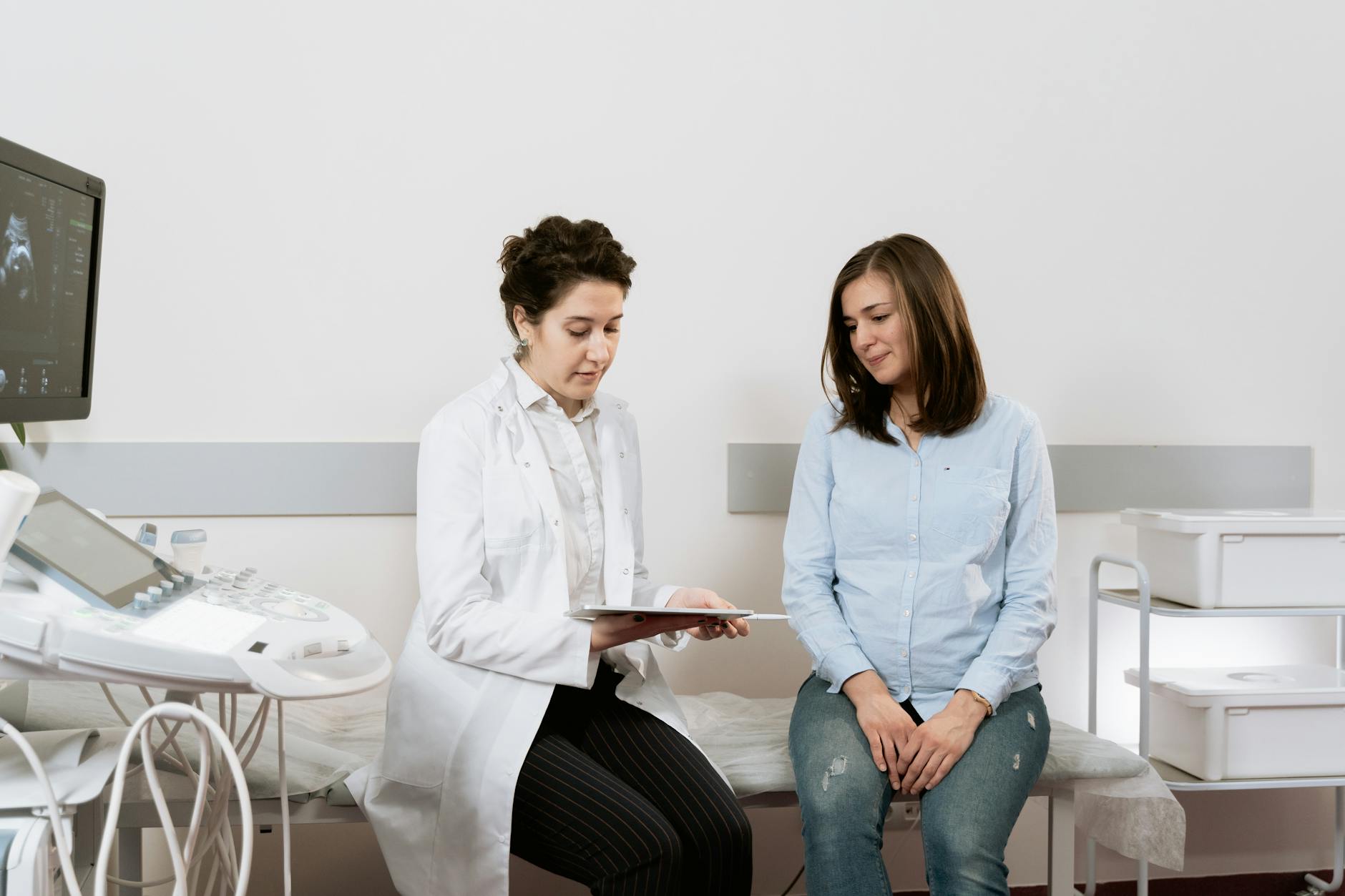
The question of whether pregnancy can occur during a menstrual period is a common one, often surrounded by myths and misconceptions. While the chances are generally lower compared to other times in the menstrual cycle, it is not impossible. Understanding the intricacies of ovulation, sperm viability, and the menstrual cycle is key to grasping this concept. This guide aims to provide a clear, practical, and safe explanation for Indian readers, demystifying the process and offering actionable insights.
To understand pregnancy during periods, we first need to understand the menstrual cycle. This cycle, typically lasting around 28 days (though it can vary significantly from woman to woman), is a series of natural changes in hormone production and the development of an egg in the ovaries, preparing the uterus for a potential pregnancy. The cycle is broadly divided into four phases:
A crucial factor in understanding pregnancy risk during periods is how long sperm can survive inside the female reproductive tract. Sperm are remarkably resilient and can remain viable for up to 5 days under optimal conditions. This means that intercourse occurring a few days before ovulation can still lead to pregnancy.
Now, let's address the core question. Pregnancy during menstruation is possible due to a combination of factors:
Several factors can increase or decrease the likelihood of pregnancy during menstruation:
If you are concerned about potential pregnancy, especially after unprotected intercourse around your period, be aware of early pregnancy symptoms. These can include:
If you suspect you might be pregnant, the most reliable way to confirm is through a pregnancy test. These tests detect the hormone human chorionic gonadotropin (hCG) in urine or blood. Home pregnancy tests are widely available and accurate when used correctly. For definitive confirmation, a doctor can perform a blood test or an ultrasound.
To prevent unintended pregnancy, especially if you are unsure about your cycle or have had unprotected intercourse:
It is advisable to consult a doctor or a healthcare provider in the following situations:
Having intercourse during your period is generally safe from a health perspective, provided you are comfortable with it. However, if you are trying to avoid pregnancy, it's important to remember that pregnancy is possible, especially towards the end of your period if your cycle is short or irregular.
The likelihood is generally lower than at other times in the cycle. However, for women with short or irregular cycles, or if intercourse occurs near the end of the period, the risk increases significantly due to sperm's viability.
The withdrawal method (pulling out before ejaculation) is not a reliable form of contraception at any time, including during a period. Pre-ejaculate can contain sperm, and timing withdrawal perfectly is extremely difficult, making pregnancy a possibility.
A very light period, or spotting, could be a sign of early pregnancy (implantation bleeding), hormonal changes, or other conditions. If you are sexually active and concerned, it's best to take a pregnancy test and consult a doctor.
While the chances of conceiving during menstruation are lower, they are not zero. Understanding your body, your menstrual cycle, and the factors influencing fertility is crucial for making informed decisions about sexual health and contraception. If you have any doubts or concerns, seeking professional medical advice is always the best course of action.
This section adds practical context and preventive advice to help readers make informed healthcare decisions. It is important to verify symptoms early, consult qualified doctors, and avoid self-medication for persistent health issues.
Maintaining healthy routines, following prescribed treatment plans, and attending regular checkups can improve outcomes. If symptoms worsen or red-flag signs appear, immediate medical evaluation is recommended.
Track symptoms and duration.
Follow diagnosis and treatment from a licensed practitioner.
Review medication side effects with your doctor.
Seek urgent care for severe warning signs.
Visit Hospital
Near You

A cesarean section (C-section) is a surgical delivery in which a baby is born through an incision in the mother's abdomen and uterus. In Kolkata, several experienced obstetricians and well-equipped hospitals offer C-section services for planned and emergency deliveries. Understanding when a C-sectio
July 31, 2026
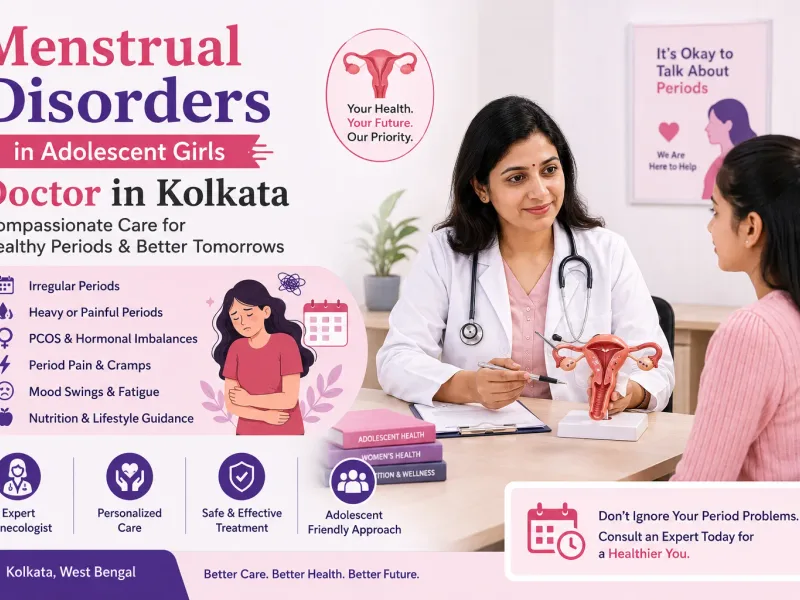
If you are searching for a Menstrual Disorders in Adolescent Girls Doctor in Kolkata, early evaluation by an experienced gynecologist can help identify the underlying cause of irregular or painful periods. While menstrual irregularities are common during the first few years after puberty, persistent
July 31, 2026

If you are searching for a Fibroid & Endometriosis doctor in Kolkata, choosing an experienced gynecologist with expertise in minimally invasive gynecological surgery is essential. Uterine fibroids and endometriosis are two common but different conditions that can cause pelvic pain, heavy menstrual b
July 31, 2026