

Emergency & Help
24/7 Emergency & General Advisory
🚨 24/7 Medical Emergency
Non-Emergency Advisory
10:00 AM – 6:00 PM, Mon–Sat
For appointments & general queries.
24/7 Emergency & General Advisory
🚨 24/7 Medical Emergency
Non-Emergency Advisory
10:00 AM – 6:00 PM, Mon–Sat
For appointments & general queries.
Learn about cholestasis of pregnancy (ICP), a liver condition causing intense itching. Understand its symptoms, risks, diagnosis, and management to ensure a healthy pregnancy.

Cholestasis of pregnancy is a liver condition that typically emerges in the third trimester. The term 'cholestasis' refers to a condition where the flow of bile from your liver slows down or stops. Bile is a digestive fluid produced by your liver that helps break down fats in your body. In ICP, this flow is disrupted, leading to a buildup of bile acids in your bloodstream. While the exact cause isn't fully understood, it's believed to be a combination of genetic factors and hormonal changes during pregnancy.
Pregnancy naturally elevates your estrogen levels. This increase can interfere with the normal bile flow from the liver to the gallbladder. When bile doesn't flow properly, bile acids can back up into the bloodstream, potentially causing symptoms and affecting both maternal and fetal health if not managed.
The hallmark symptom of cholestasis of pregnancy is intense itching, often referred to as pruritus. This itching can be maddening and usually doesn't come with a visible rash, which can make it confusing. It often starts in the palms of the hands and soles of the feet, then spreads to other parts of the body. While most commonly appearing in the third trimester, it can manifest earlier.
Beyond the pervasive itching, other symptoms may include:
It's important to remember that the severity of symptoms can vary greatly from one woman to another. Some may experience mild discomfort, while others face severe itching that disrupts sleep and daily life.
Priya, an expectant mother in her 32nd week of pregnancy, started experiencing unbearable itching on her hands and feet. Initially, she dismissed it as dry skin, but the itching intensified, spreading to her arms and legs, making it impossible to sleep. She noticed her urine was darker than usual. Worried, she called her doctor, who advised her to come in for a check-up, suspecting it might be cholestasis.
Several factors can increase a woman's likelihood of developing ICP:
Your doctor will consider these factors during your prenatal care.
If you experience persistent itching, especially during the third trimester, it's crucial to consult your doctor promptly. They will likely perform a physical examination and order blood tests to assess your liver function. These tests measure:
Your doctor might also check your blood clotting ability, as impaired fat absorption due to cholestasis can sometimes lead to lower vitamin K levels, which are essential for blood clotting.
The primary goals of managing ICP are to relieve itching and ensure the baby's well-being. Treatment typically involves:
The most common medication prescribed is Ursodeoxycholic acid (UDCA), often called ursodiol. This medication helps to reduce bile acid levels in the blood and alleviate itching. It is generally considered safe during pregnancy.
While medication works internally, external measures can help manage the itching:
Because ICP can pose risks to the baby, your doctor will closely monitor fetal well-being. This may involve:
While ICP is manageable, leaving it untreated can lead to serious complications:
Unfortunately, there are no guaranteed ways to prevent ICP, as its exact cause is not fully understood and involves genetic and hormonal factors. However, maintaining a healthy lifestyle during pregnancy, including a balanced diet and adequate hydration, can support overall liver health. If you have risk factors, be extra vigilant about reporting any unusual itching to your doctor immediately.
Don't hesitate to reach out to your healthcare provider if you experience:
Early detection and management are vital for a safe and healthy pregnancy outcome.
Yes, if left untreated, ICP can pose risks to the baby, including preterm birth and fetal distress. This is why close monitoring and timely medical intervention are essential.
The itching typically resolves within a few days to a couple of weeks after delivery as bile acid levels return to normal. However, it's important to follow up with your doctor to ensure your liver function has fully recovered.
No, they are different conditions. Gallstones are hardened deposits that form in the gallbladder, while cholestasis of pregnancy is a disruption of bile flow originating from the liver, specifically linked to pregnancy hormones and other factors.
Yes, generally, you can breastfeed if you had cholestasis of pregnancy. The condition itself does not prevent breastfeeding. However, always consult your doctor for personalized advice based on your specific health status.
Visit Hospital
Near You

A cesarean section (C-section) is a surgical delivery in which a baby is born through an incision in the mother's abdomen and uterus. In Kolkata, several experienced obstetricians and well-equipped hospitals offer C-section services for planned and emergency deliveries. Understanding when a C-sectio
July 31, 2026
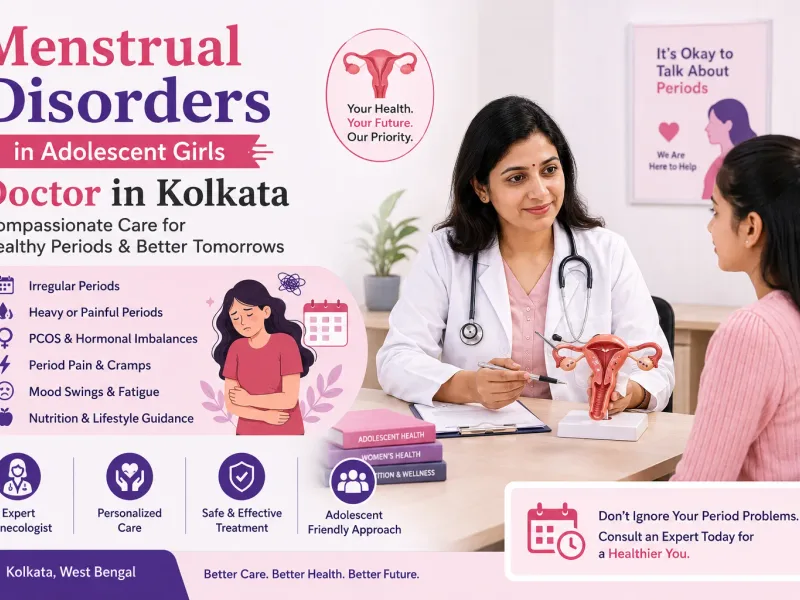
If you are searching for a Menstrual Disorders in Adolescent Girls Doctor in Kolkata, early evaluation by an experienced gynecologist can help identify the underlying cause of irregular or painful periods. While menstrual irregularities are common during the first few years after puberty, persistent
July 31, 2026

If you are searching for a Fibroid & Endometriosis doctor in Kolkata, choosing an experienced gynecologist with expertise in minimally invasive gynecological surgery is essential. Uterine fibroids and endometriosis are two common but different conditions that can cause pelvic pain, heavy menstrual b
July 31, 2026