

Emergency & Help
24/7 Emergency & General Advisory
🚨 24/7 Medical Emergency
Non-Emergency Advisory
10:00 AM – 6:00 PM, Mon–Sat
For appointments & general queries.
24/7 Emergency & General Advisory
🚨 24/7 Medical Emergency
Non-Emergency Advisory
10:00 AM – 6:00 PM, Mon–Sat
For appointments & general queries.
Explore the fascinating phenomenon of clitoral erections – what they are, how they happen, what they feel like, and why understanding them is key to sexual health and pleasure.

When we talk about arousal and the body's physical responses, the conversation often centres on erections in people with penises. But what about people with vulvas? The clitoris, a highly sensitive organ, also undergoes significant changes during sexual arousal, leading to what's known as a clitoral erection. This is a completely normal and natural physiological process, yet it's often overlooked or misunderstood. Let's shed some light on this fascinating aspect of sexual health.
Simply put, a clitoral erection occurs when blood flow increases to the erectile tissues of the clitoris, causing it to become engorged and more sensitive. Think of it as the clitoral equivalent of a penile erection. This response is a key indicator of sexual arousal and is a sign that the body is preparing for sexual activity. It's not just about the visible part; the entire clitoral structure, much of which is internal, engorges.
Many people are only familiar with the external part of the clitoris, the glans, which is often described as a small, sensitive nub at the top of the vulva. However, the clitoris is a far more complex structure. It extends internally, often for several inches, with two columns of erectile tissue called the corpora cavernosa and a bulbous base known as the vestibular bulbs, which surround the vaginal opening. This extensive internal structure plays a significant role in the erection process.
Imagine the clitoris as a wishbone. The part you can see, the glans, is just the tip. The rest of the structure runs internally, contributing to sexual sensation and response.
When sexual arousal or stimulation occurs, the arteries supplying blood to the clitoral tissues relax and widen. This allows a significant increase in blood flow into the corpora cavernosa and vestibular bulbs. As these tissues fill with blood, they become engorged, firm, and swell. This engorgement is what we call a clitoral erection.
While the internal structures engorge significantly, there are also noticeable external changes:
The glans itself will feel firmer and larger to the touch. The exact degree of firmness can vary from person to person.
It's important to remember that the internal parts of the clitoral structure also swell and engorge with blood. This internal engorgement contributes significantly to the overall sensation of arousal and can create a feeling of fullness or pressure.
The sensations associated with a clitoral erection can vary widely. For some, it's a very noticeable and distinct feeling. They might describe it as:
One individual shared, "Yeah, my clit gets hard and swollen when I’m turned on. And it’s, like, 100 times more sensitive in this state than it is normally."
For others, the clitoral erection might be less consciously perceived. They might feel the general sensations of arousal – warmth, increased heart rate, pleasure – without specifically identifying a clitoral erection as a separate phenomenon. As one person noted, "They’ll feel that ‘I’m turned on’ feeling and enjoy the physical sensations that typically accompany that, but won’t feel anything ‘special’ outside of that." This doesn't mean it's not happening; it's just a more subtle part of their overall arousal experience.
For trans men on testosterone, changes can also occur. One individual reported, "After about 2 months on T my clit started to grow, and now when I’m aroused it becomes very visibly erect. When that happens, it feels really good, almost tingly. It’s become super sensitive."
While the physiological mechanism for clitoral erection is present in all individuals with a clitoris, the experience and perception of it can differ. Clinical literature on the topic is still developing, and more research is needed for definitive answers. However, based on anecdotal evidence and clinical understanding:
It's important to distinguish a normal clitoral erection from priapism. Priapism is a medical condition where an erection occurs without any sexual arousal and can last for four or more hours, often becoming painful. If you experience prolonged, painful erections of the clitoris or penis, it is a medical emergency and requires immediate attention.
While clitoral erections are a normal part of sexual response, certain situations might warrant medical consultation:
A doctor or a specialist in sexual health can provide accurate information, address any concerns, and rule out underlying medical conditions.
Know Your Body: Understanding the clitoris and its responses, including erections, is part of understanding your own sexual health and pleasure. Don't hesitate to explore and learn what feels good for you.
Normalize the Conversation: Sexual health is a vital part of overall well-being. Open conversations about the clitoris and its functions help to destigmatize these topics and empower individuals.
Seek Reliable Information: Rely on credible sources for information about sexual health. If you have questions or concerns, consult healthcare professionals.
A clitoral erection is a beautiful and natural manifestation of sexual arousal. By understanding its mechanics and variations, individuals can gain a deeper appreciation for their bodies and enhance their sexual well-being. Remember, knowledge is power when it comes to your health.
Visit Hospital
Near You

A cesarean section (C-section) is a surgical delivery in which a baby is born through an incision in the mother's abdomen and uterus. In Kolkata, several experienced obstetricians and well-equipped hospitals offer C-section services for planned and emergency deliveries. Understanding when a C-sectio
July 31, 2026
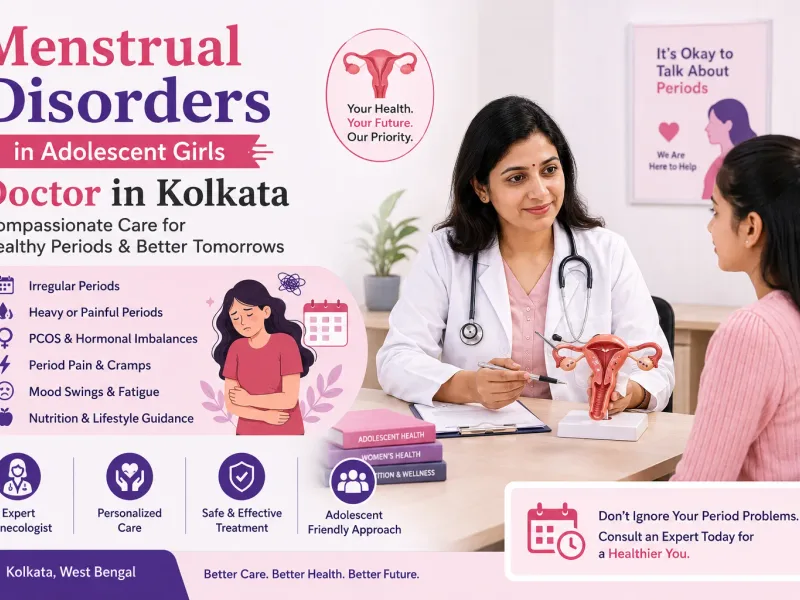
If you are searching for a Menstrual Disorders in Adolescent Girls Doctor in Kolkata, early evaluation by an experienced gynecologist can help identify the underlying cause of irregular or painful periods. While menstrual irregularities are common during the first few years after puberty, persistent
July 31, 2026
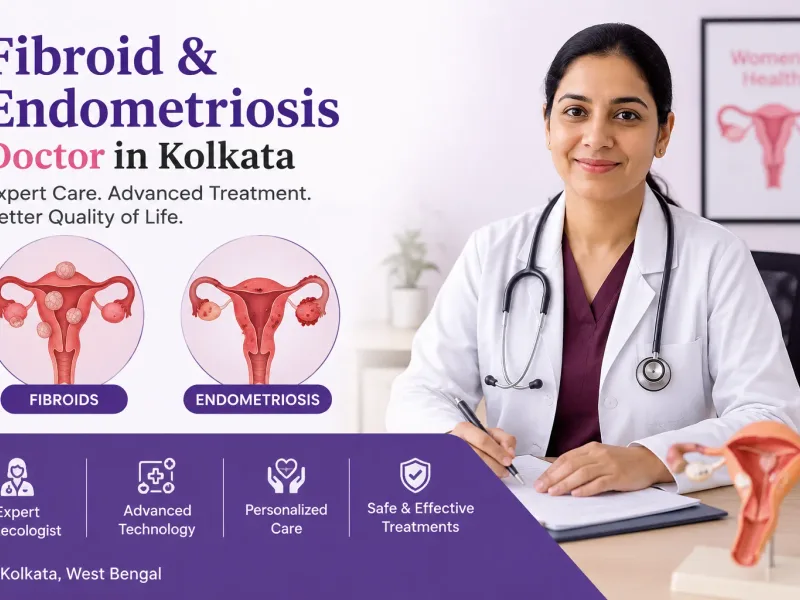
If you are searching for a Fibroid & Endometriosis doctor in Kolkata, choosing an experienced gynecologist with expertise in minimally invasive gynecological surgery is essential. Uterine fibroids and endometriosis are two common but different conditions that can cause pelvic pain, heavy menstrual b
July 31, 2026