

Emergency & Help
24/7 Emergency & General Advisory
🚨 24/7 Medical Emergency
Non-Emergency Advisory
10:00 AM – 6:00 PM, Mon–Sat
For appointments & general queries.
24/7 Emergency & General Advisory
🚨 24/7 Medical Emergency
Non-Emergency Advisory
10:00 AM – 6:00 PM, Mon–Sat
For appointments & general queries.
Explore the connection between constipation and pelvic organ prolapse. Learn how one can cause or worsen the other and discover effective management and prevention strategies.

Understanding the Link Between Constipation and Pelvic Organ Prolapse Constipation and pelvic organ prolapse are two common conditions that can significantly impact a woman's quality of life. While they might seem like separate issues, there's a strong and often overlooked connection between them. In many cases, constipation can be both a symptom and a cause of pelvic organ prolapse, and vice versa. Understanding this relationship is crucial for effective management and prevention. What is Pelvic Organ Prolapse? Pelvic organ prolapse (POP) occurs when the muscles and tissues that support your pelvic organs weaken or are damaged. This weakening allows one or more of your pelvic organs – such as the bladder, uterus, or rectum – to bulge or drop down into the vagina. POP is particularly common in women who have gone through menopause, but it can affect women of any age, especially after childbirth. Types of Pelvic Organ Prolapse There are several types of POP, named after the organ that is prolapsing: Cystocele: The bladder pushes into the vaginal wall. Uterine prolapse: The uterus drops down into the vagina. Enterocele: The small intestine pushes into the vaginal wall. Rectocele: The rectum pushes into the vaginal wall. The rectocele is the type of POP most directly linked to constipation. The Vicious Cycle: How Constipation Affects Pelvic Floor Health Your pelvic floor muscles play a vital role in supporting your pelvic organs and maintaining bowel and bladder control. Chronic constipation can put significant strain on these muscles in several ways: Straining During Bowel Movements: When you are constipated, you often have to strain hard to pass stool. This repeated straining puts immense pressure on your pelvic floor muscles, weakening them over time. Weakened Rectal Walls: Chronic straining can lead to the weakening of the rectal walls. This weakening can contribute to the development of a rectocele, where the rectum bulges into the vagina. Loss of Sensation: Prolonged constipation can sometimes lead to a loss of sensation in the pelvic nerves. This can make it harder to recognize the urge to have a bowel movement and can contribute to fecal incontinence. Enlarged Rectum: In severe cases, chronic constipation can lead to an enlarged rectum, which further exacerbates the pressure on the pelvic floor and can contribute to prolapse. Essentially, the effort required to pass hard stools can damage the very muscles and tissues that are supposed to keep your pelvic organs in place. How Pelvic Organ Prolapse Can Worsen Constipation The connection is not one-sided. Pelvic organ prolapse can also make constipation worse or even cause it: Obstruction: When an organ, like the rectum in a rectocele, bulges into the vagina, it can create an unnatural angle or obstruction in the path of stool. This makes it harder for stool to pass through the rectum, leading to constipation. Difficulty Emptying: The prolapsed organ can make it difficult to fully empty the bowel, leading to a feeling of incomplete evacuation and contributing to the buildup of stool. Pain and Discomfort: The pressure and discomfort associated with POP can sometimes make women avoid going to the bathroom, further worsening constipation. This creates a challenging cycle where constipation leads to prolapse, and prolapse leads back to more constipation. Can Constipation Cause a Temporary Prolapse? While a prolapse is generally considered a persistent condition, it's true that sometimes, the strain from severe constipation can cause a very mild, temporary bulge or descent of pelvic organs. These are often so mild that they cause no symptoms and might resolve on their own once the constipation is treated. However, they are not truly 'temporary prolapses' in the sense that the underlying weakness isn't necessarily gone. It's more accurate to say that the symptoms of prolapse might be transient if the cause (constipation) is resolved. Managing Constipation When You Have Pelvic Organ Prolapse The good news is that managing constipation, especially when you have POP, often involves lifestyle and dietary changes that are beneficial for overall pelvic health. The primary goal is to soften stools and make bowel movements easier, reducing the need for straining. Dietary Adjustments: Increase Fiber Intake: Aim for a diet rich in fruits, vegetables, whole grains, and legumes. Fiber adds bulk to your stool and softens it, making it easier to pass. Gradually increase your fiber intake to avoid gas and bloating. Stay Hydrated: Drink plenty of water throughout the day. Adequate fluid intake is essential for fiber to work effectively and keeps your digestive system moving smoothly. Aim for at least 8 glasses of water daily, more if you are very active or in a hot climate. Identify and Reduce Constipating Foods: Some foods can contribute to constipation for certain individuals. Common culprits include red meat, dairy products (especially if you are sensitive), and highly processed foods. Pay attention to how your body reacts to different foods. Lifestyle Changes: Regular Physical Activity: Daily exercise, even moderate activities like walking, can stimulate bowel function and help prevent constipation. Aim for at least 30 minutes of moderate exercise most days of the week. Adequate Bathroom Time: Don't rush your bowel movements. Allow yourself enough time to relax and pass stool without straining. Try to establish a regular time for bowel movements, such as after a meal, when your body is naturally more inclined to eliminate. Proper Toilet Posture: Consider using a footstool (like a Squatty Potty) to elevate your knees above your hips. This posture mimics
In summary, timely diagnosis, evidence-based treatment, and prevention-focused care improve long-term health outcomes.
Visit Hospital
Near You
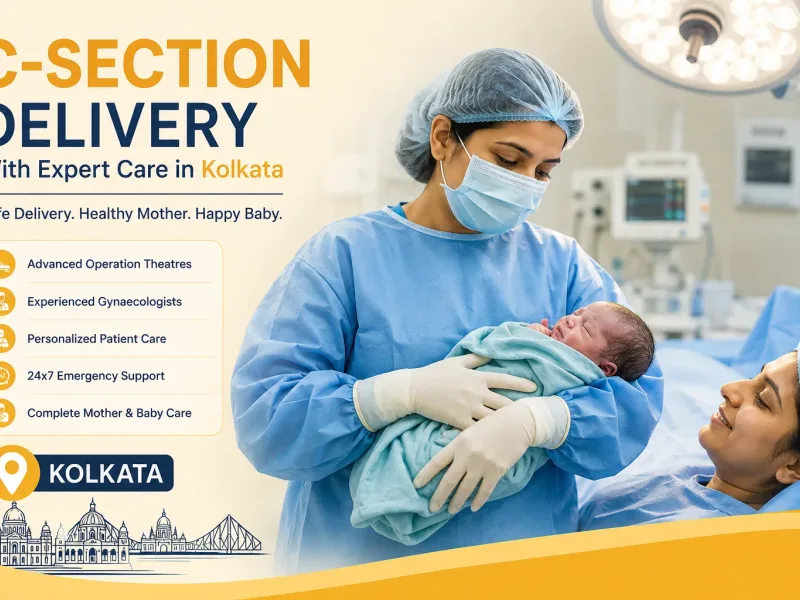
A cesarean section (C-section) is a surgical delivery in which a baby is born through an incision in the mother's abdomen and uterus. In Kolkata, several experienced obstetricians and well-equipped hospitals offer C-section services for planned and emergency deliveries. Understanding when a C-sectio
July 31, 2026
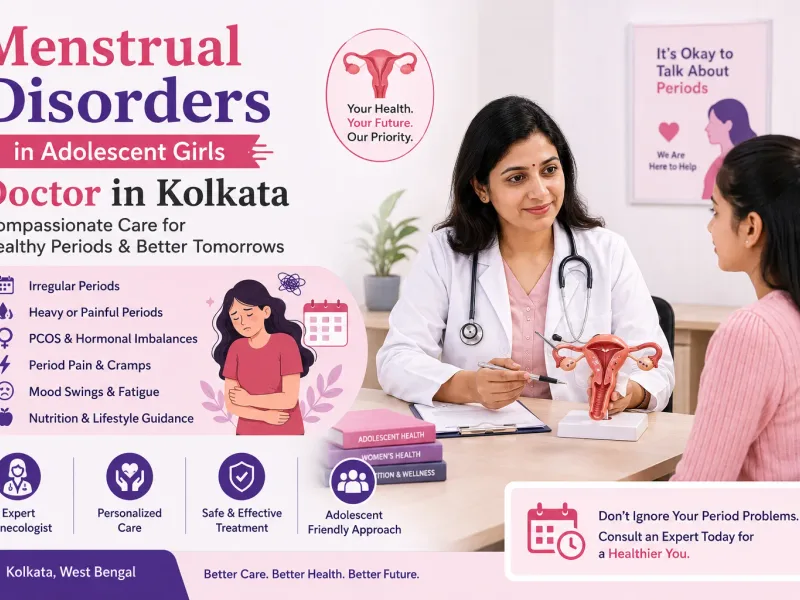
If you are searching for a Menstrual Disorders in Adolescent Girls Doctor in Kolkata, early evaluation by an experienced gynecologist can help identify the underlying cause of irregular or painful periods. While menstrual irregularities are common during the first few years after puberty, persistent
July 31, 2026
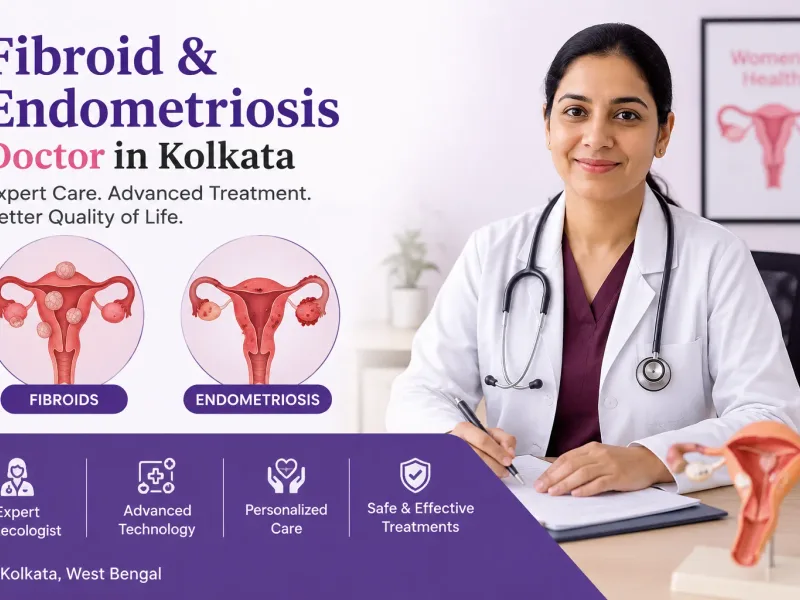
If you are searching for a Fibroid & Endometriosis doctor in Kolkata, choosing an experienced gynecologist with expertise in minimally invasive gynecological surgery is essential. Uterine fibroids and endometriosis are two common but different conditions that can cause pelvic pain, heavy menstrual b
July 31, 2026