

Emergency & Help
24/7 Emergency & General Advisory
🚨 24/7 Medical Emergency
Non-Emergency Advisory
10:00 AM – 6:00 PM, Mon–Sat
For appointments & general queries.
24/7 Emergency & General Advisory
🚨 24/7 Medical Emergency
Non-Emergency Advisory
10:00 AM – 6:00 PM, Mon–Sat
For appointments & general queries.
Explore the truth behind breast size changes after marriage. Learn about the real factors like hormones, weight, and genetics that influence breast size, and debunk common myths.

The idea that a woman's breasts magically grow larger after getting married is a persistent myth, whispered through generations and often depicted in popular culture. But does saying "I do" truly trigger a physical change in breast size? As your trusted source for clear, practical health information, we're here to demystify this common notion and explore the factors that actually influence breast size. It's time to separate fact from fiction and understand what's really going on with your body.
The rumour that marriage leads to larger breasts has circulated for centuries. While no one can pinpoint its exact origin, it's likely rooted in observations that often accompany marriage. These observations might include the possibility of pregnancy or general weight gain, both of which can occur whether someone is married or not. The body doesn't possess a calendar that marks your wedding day and decides it's time for breast growth! Let's explore why this myth persists and what the science actually tells us.
Your breast size is primarily determined by a combination of genetics, hormones, and body composition. Unlike the myth of marriage, these factors are rooted in biological processes and lifestyle choices. Here's a look at what truly impacts breast size:
The female body is a complex system, and hormonal changes play a significant role in breast tissue. During your menstrual cycle, fluctuations in estrogen and progesterone can cause your breasts to swell and feel tender. Estrogen causes the breast ducts to enlarge, typically peaking around 14 days into your cycle. Later, progesterone levels rise, stimulating the growth of breast glands. These cyclical changes are normal and usually resolve after your period begins.
Pregnancy is a time of immense physical transformation, and breast changes are among the most noticeable. As your body prepares for childbirth and potential breastfeeding, hormonal shifts lead to increased blood volume and water retention, causing breasts to grow larger and fuller. Some individuals may experience an increase of one to two cup sizes. The rib cage may also expand to accommodate the growing baby. Breastfeeding can further impact breast size, as they fill with milk and then empty, leading to variations throughout the day. It's also worth noting that for some, breasts may return to a smaller size after breastfeeding is complete.
Certain medications can lead to modest changes in breast size. For instance, estrogen replacement therapy and some birth control pills contain hormones that can mimic some of the effects seen during the menstrual cycle, potentially causing temporary breast enlargement. Some women also experience increased water retention when starting birth control pills, making their breasts feel fuller. However, as the body adjusts to these hormonal changes, breast size often returns to its pre-medication state.
Breasts are composed of fatty and fibrous tissue. Therefore, significant weight gain can lead to an increase in breast size, as fat is stored throughout the body, including the breasts. Research, such as a study published in Scientific Reports, indicates that Body Mass Index (BMI) is a strong predictor of breast size. A higher BMI generally correlates with larger breasts. While weight gain can increase breast size, it's essential to focus on healthy weight management for overall well-being, rather than solely for aesthetic changes.
Many women experience fibrocystic breast changes, which involve the development of fibrous tissue or cysts. These can cause the breasts to feel lumpy and may sometimes make them appear larger. While these changes are usually benign and not a cause for concern, they can contribute to a sensation of fullness or a change in breast texture and size.
Your genetic makeup plays a fundamental role in determining your natural breast size. The genes you inherit from your parents influence the amount of fatty and glandular tissue in your breasts, as well as their overall structure and potential for growth.
Consider Priya, a 28-year-old who recently got married. She noticed her bra felt a bit snugger a few months after her wedding. Initially, she wondered if the myth was true! However, she soon realised she had also been a bit more relaxed with her diet during her honeymoon and the wedding festivities, leading to a few kilograms of weight gain. She also recalled feeling similar breast tenderness and fullness during her periods each month. Priya understood that her body changes were likely due to lifestyle factors and normal hormonal cycles, not the marriage itself.
You might see advertisements for supplements claiming to increase breast size. These often contain compounds believed to mimic estrogen. However, scientific evidence supporting the effectiveness of these supplements for breast growth is lacking. Similar to the marriage myth, these products often prey on desires for quick and easy changes, without providing a reliable or proven solution.
While most breast size changes are normal and related to the factors mentioned above, it's always wise to be aware of your breast health. You should consult a doctor if you experience:
Your doctor can perform a physical examination and recommend appropriate screening tests to ensure everything is normal.
Understanding the real reasons behind breast size changes empowers you to make informed decisions about your health. Focus on a balanced lifestyle, regular exercise, and a healthy diet. If you have concerns about your breast health or notice any unusual changes, don't hesitate to seek professional medical advice. Your well-being is paramount.
While significant stress can affect hormonal balance, it's not typically a direct cause of noticeable breast size increase. Hormonal fluctuations related to your menstrual cycle, pregnancy, or medications are more common reasons for changes.
For some women, breasts may return to their pre-pregnancy size or even appear smaller after breastfeeding due to changes in tissue elasticity and fat content. For others, they may remain larger.
Most breast cysts are benign (non-cancerous). They are common, especially in women in their 40s, but can occur at any age. While usually not harmful, any new lump or change should be evaluated by a doctor to rule out other conditions.
Visit Hospital
Near You
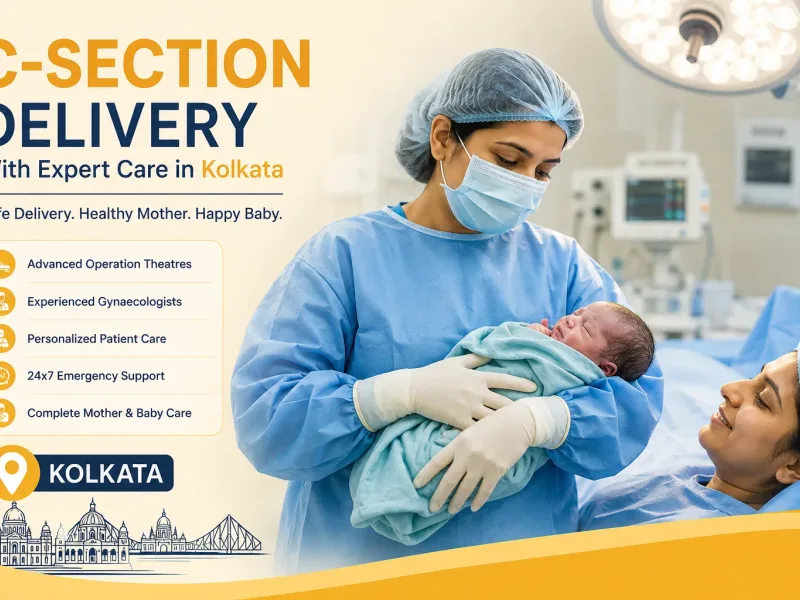
A cesarean section (C-section) is a surgical delivery in which a baby is born through an incision in the mother's abdomen and uterus. In Kolkata, several experienced obstetricians and well-equipped hospitals offer C-section services for planned and emergency deliveries. Understanding when a C-sectio
July 31, 2026
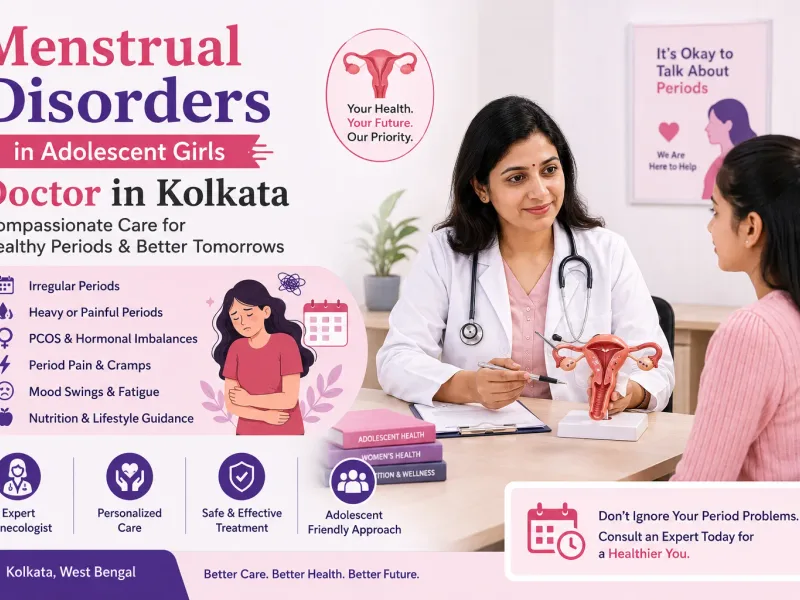
If you are searching for a Menstrual Disorders in Adolescent Girls Doctor in Kolkata, early evaluation by an experienced gynecologist can help identify the underlying cause of irregular or painful periods. While menstrual irregularities are common during the first few years after puberty, persistent
July 31, 2026
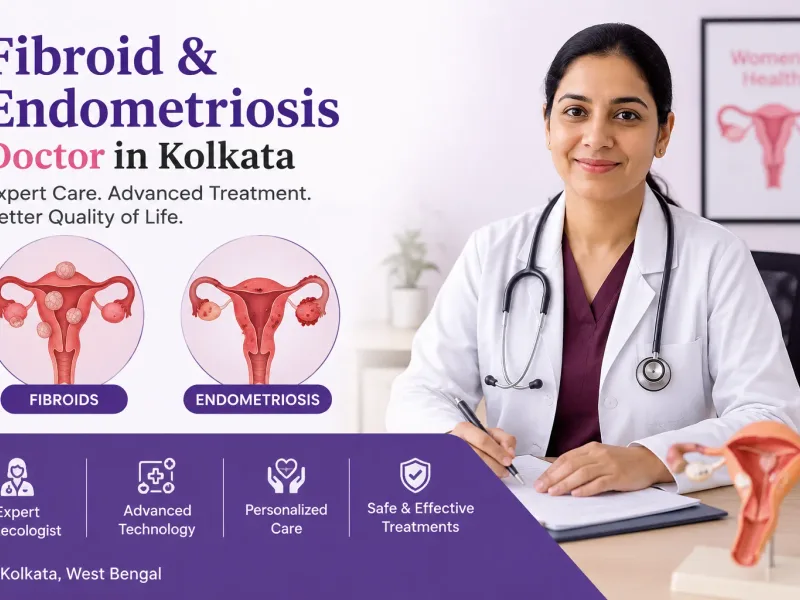
If you are searching for a Fibroid & Endometriosis doctor in Kolkata, choosing an experienced gynecologist with expertise in minimally invasive gynecological surgery is essential. Uterine fibroids and endometriosis are two common but different conditions that can cause pelvic pain, heavy menstrual b
July 31, 2026