

Emergency & Help
24/7 Emergency & General Advisory
🚨 24/7 Medical Emergency
Non-Emergency Advisory
10:00 AM – 6:00 PM, Mon–Sat
For appointments & general queries.
24/7 Emergency & General Advisory
🚨 24/7 Medical Emergency
Non-Emergency Advisory
10:00 AM – 6:00 PM, Mon–Sat
For appointments & general queries.
Learn about the importance of early breast cancer detection, screening methods like mammograms, and understand your risk factors. Empower yourself with knowledge for proactive health management.
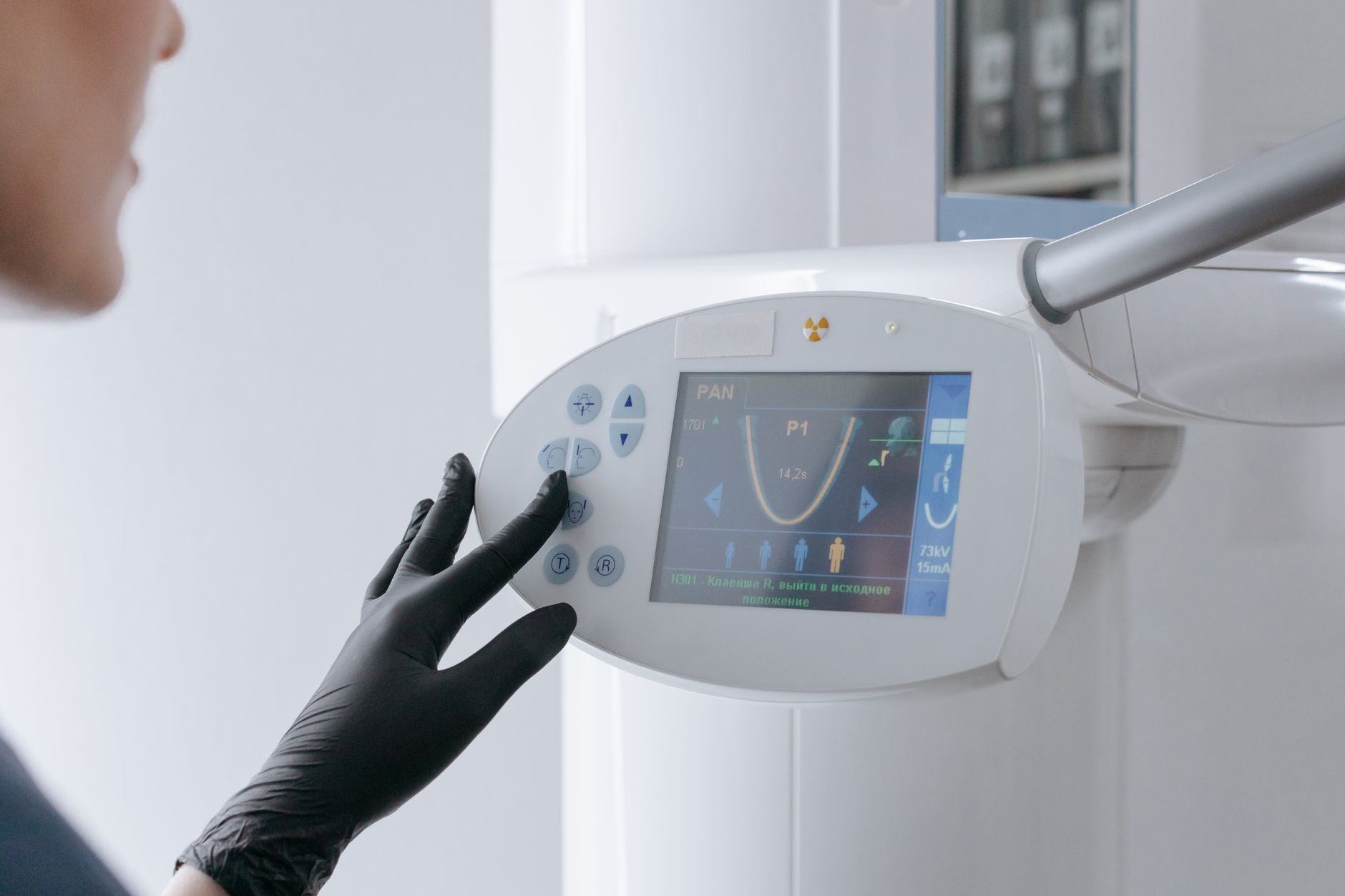
Breast cancer. The words themselves can send a shiver down your spine. But what if I told you that one of the most powerful weapons against this disease isn't a new drug or a complex surgery, but something much simpler? It's early detection. Imagine catching a tiny spark before it becomes a raging inferno. That's precisely what early detection does for breast cancer. When found in its earliest stages, breast cancer is significantly more treatable, and the chances of a full recovery skyrocket. We're talking about survival rates that climb dramatically. This isn't just about statistics; it's about preserving lives, futures, and dreams. In India, awareness about breast cancer and the importance of screening is growing, but there's still a journey ahead. Many women hesitate due to fear, lack of awareness, or accessibility issues. This guide is here to demystify breast cancer screening, empower you with knowledge, and encourage proactive steps for your health. Let's break down why this is so vital. Why Early Detection is Your Superpower Think of your body as a finely tuned instrument. It gives you subtle signals when something is off. Breast cancer is no different. In its nascent stages, it often presents no obvious symptoms. This is where screening steps in. It's like a regular tune-up for your instrument, catching potential issues before they disrupt the melody of your life. Regular screenings can detect cancer years before you might feel a lump or notice any changes. This early detection translates directly into better treatment outcomes and higher survival rates. It means more time with loved ones, more opportunities to achieve your goals, and a greater chance of living a long, healthy life. The statistics are compelling: the earlier breast cancer is diagnosed, the more effective treatment becomes, and the less aggressive it often needs to be. Understanding Your Risk: A Personalized Approach Not all women have the same risk of developing breast cancer. While age and genetics play a role, understanding your personal risk factors is the first step towards a personalized screening plan. Factors like family history of breast or ovarian cancer, certain genetic mutations (like BRCA1 or BRCA2), a personal history of breast cancer, early menstruation, late menopause, and never having children or having the first child after age 30 can increase your risk. It's also important to consider lifestyle factors. Being overweight or obese, lack of physical activity, heavy alcohol consumption, and smoking can all contribute to a higher risk. Don't let this list overwhelm you. Instead, see it as a roadmap. Discuss these factors openly with your doctor. They can help you assess your individual risk and recommend a screening schedule tailored just for you. Remember, this is a partnership between you and your healthcare provider. Screening Methods: Tools in Your Arsenal Several methods can help detect breast cancer. Each has its strengths and serves a specific purpose in the detection process: 1. Clinical Breast Exam (CBE) This is a physical examination of your breasts performed by a healthcare professional. They will look for any visible changes and feel for lumps or other abnormalities. While a CBE can be a good time to discuss your concerns and ask questions, it's generally not considered a primary screening tool for early detection, especially when combined with mammograms. However, it's a valuable part of your overall breast health check-up. 2. Breast Self-Awareness (Self-Exams) This involves becoming familiar with the normal look and feel of your breasts. It's not about performing a rigid, step-by-step exam, but rather about knowing what's typical for you. Pay attention to any changes in size, shape, color, or skin texture. Notice any new lumps, pain, or discharge from the nipple. If you discover something unusual, don't panic. The key is to report any changes to your doctor promptly. Many breast changes are benign (non-cancerous), but it's always best to get them checked out. 3. Mammography This is the cornerstone of breast cancer screening. A mammogram is a low-dose X-ray of the breast. It can detect tiny abnormalities, such as microcalcifications or small lumps, that might be missed by touch. Mammograms can often find cancer years before any symptoms appear. It's highly effective in reducing breast cancer mortality. Types of Mammography: 2D Mammography: The standard X-ray imaging. 3D Mammography (Digital Breast Tomosynthesis or DBT): This advanced technology takes multiple images of the breast from different angles, creating a layered, three-dimensional view. This can lead to clearer images, especially in women with dense breast tissue, and can help reduce the need for follow-up imaging. Contrast-Enhanced Mammography (CEM): This newer technique involves injecting an iodine-based contrast material into your vein before the X-ray. This helps highlight areas of abnormal blood flow, which can be indicative of cancer. It offers a clearer view of potential abnormalities. 4. Breast Ultrasound Ultrasound uses sound waves to create images of breast tissue. It's particularly useful for distinguishing between solid masses (which could be cancerous) and fluid-filled cysts (which are usually benign). It's often used as a follow-up test when a mammogram shows an abnormality or for women with dense breast tissue. 5. Breast MRI (Magnetic Resonance Imaging) MRI uses magnets and radio waves to create detailed images of the breast. It's not typically used as a routine screening tool for most women. However, it's highly recommended for women with a very high lifetime risk of breast cancer (greater than 20-25%), those with a known genetic mutation like BRCA, or as a diagnostic tool to further investigate suspicious findings from other imaging tests. Screening Recommendations: When and How Often? Navigating screening guidelines can feel confusing. Here’s a general overview based on average risk. Remember, your doctor's advice is paramount: Women at Average Risk: The American Cancer Society (ACS) recommends that women with an average risk of breast cancer start having conversations about screening with their doctor around age 40. Most women should begin annual mammograms at age 40. Some guidelines suggest starting at age 45, with an option to switch to biennial screening at age 55. It's crucial to discuss your individual risk factors to determine the best starting age and frequency for you. Women at Higher Risk: If you have a significantly higher risk due to family history, genetic mutations, or other factors, your doctor will likely recommend starting screenings earlier, possibly in your 20s or 30s, and may suggest more frequent screenings or additional imaging like MRIs. Key Takeaway: Talk to your doctor. This is the most important step. They can provide personalized recommendations based on your unique health profile. What Happens If a Screening Finds Something? Discovering an abnormality on a screening test can be worrying, but it doesn't automatically mean you have cancer. Many findings turn out to be benign. If a screening detects something, your doctor will likely recommend further diagnostic tests. These might include: Diagnostic Mammogram: More detailed X-ray images of the area of concern. Ultrasound: To further evaluate the abnormality. MRI: Especially if the abnormality is hard to see on mammograms or ultrasound. Biopsy: This is the only definitive way to diagnose cancer. A small sample of tissue is removed and examined under a microscope. There are different types of biopsies, and your doctor will choose the most appropriate one for your situation. It's natural to feel anxious during this process. Lean on your support system, ask your doctor all your questions, and remember that further testing is designed to provide clarity and ensure the best course of action. Prevention: Lifestyle Choices Matter While not all breast cancer is preventable, you can take steps to lower your risk: Maintain a Healthy Weight: Excess body fat, especially after menopause, can increase your risk. Stay Physically Active: Aim for at least 150 minutes of moderate-intensity aerobic activity or 75 minutes of vigorous-intensity activity per week. Limit Alcohol Intake: If you drink alcohol, do so in moderation. Don't Smoke: Smoking is linked to an increased risk of breast cancer. Eat a Healthy Diet: Focus on fruits, vegetables, whole grains, and lean proteins. Breastfeed if Possible: Breastfeeding may offer some protection against breast cancer. When to Consult a Doctor Immediately Don't wait for your scheduled screening if you notice any of the following changes in your breasts: A new lump or thickening in the breast or underarm area. A change in breast size or shape. Changes to the skin on your breasts, such as dimpling, puckering, or redness. A nipple that has turned inward or changed its position. Nipple discharge (other than breast milk) that occurs spontaneously. Pain in the breast or nipple area that doesn't go away. These symptoms warrant immediate medical attention. Early evaluation is key. Frequently Asked Questions (FAQ) Q1: Can men get breast cancer? Yes, although it is rare, men can develop breast cancer. Men also benefit from breast awareness and should report any changes to their doctor. Q2: Does having dense breasts increase my risk? Having dense breasts means you have more glandular and fibrous tissue than fatty tissue. While not a direct cause of cancer, dense breasts can
In summary, timely diagnosis, evidence-based treatment, and prevention-focused care improve long-term health outcomes.
Visit Hospital
Near You

A cesarean section (C-section) is a surgical delivery in which a baby is born through an incision in the mother's abdomen and uterus. In Kolkata, several experienced obstetricians and well-equipped hospitals offer C-section services for planned and emergency deliveries. Understanding when a C-sectio
July 31, 2026
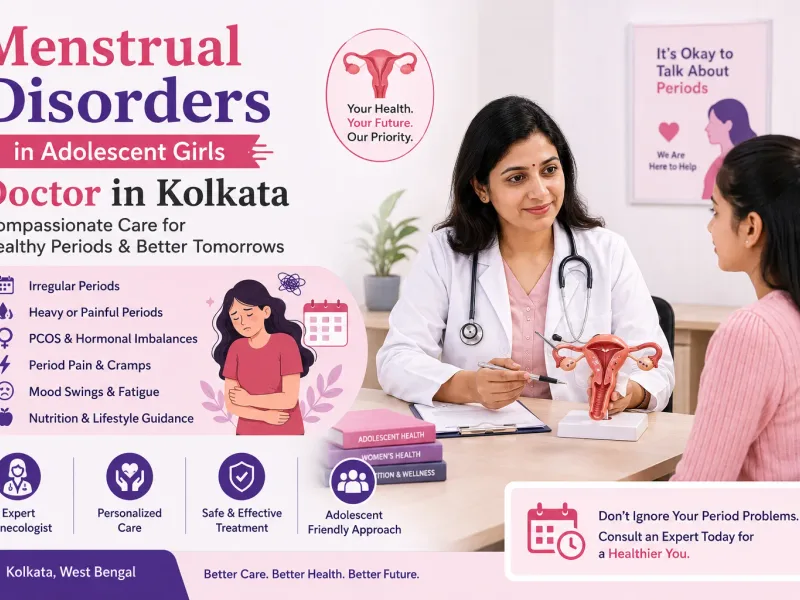
If you are searching for a Menstrual Disorders in Adolescent Girls Doctor in Kolkata, early evaluation by an experienced gynecologist can help identify the underlying cause of irregular or painful periods. While menstrual irregularities are common during the first few years after puberty, persistent
July 31, 2026

If you are searching for a Fibroid & Endometriosis doctor in Kolkata, choosing an experienced gynecologist with expertise in minimally invasive gynecological surgery is essential. Uterine fibroids and endometriosis are two common but different conditions that can cause pelvic pain, heavy menstrual b
July 31, 2026