

Emergency & Help
24/7 Emergency & General Advisory
🚨 24/7 Medical Emergency
Non-Emergency Advisory
10:00 AM – 6:00 PM, Mon–Sat
For appointments & general queries.
24/7 Emergency & General Advisory
🚨 24/7 Medical Emergency
Non-Emergency Advisory
10:00 AM – 6:00 PM, Mon–Sat
For appointments & general queries.
Stay updated with our latest healthcare news and your appointments.
Eclampsia is a severe pregnancy complication characterized by seizures, often progressing from preeclampsia. Learn about its symptoms, causes, diagnosis, treatment, and prevention.

What is Eclampsia? Eclampsia is a rare but extremely serious condition that can occur during pregnancy, typically as a progression of preeclampsia. Preeclampsia itself is a condition characterized by high blood pressure and signs of damage to other organ systems, most often the liver and kidneys, usually after 20 weeks of pregnancy. Eclampsia is the most severe form of preeclampsia, marked by seizures or coma in pregnant individuals. While thankfully uncommon, its potential to be life-threatening for both the mother and the baby necessitates prompt recognition and management. Understanding Preeclampsia and Eclampsia Approximately 5% to 7% of pregnancies are affected by preeclampsia. Eclampsia, on the other hand, is much rarer, occurring in a small fraction of those with preeclampsia. The exact cause of preeclampsia and eclampsia is not fully understood, but it is believed to be related to problems with the development of the placenta, which provides oxygen and nutrients to the baby. Abnormalities in the placenta can lead to the release of substances into the mother's bloodstream that affect blood vessels, causing them to narrow and increasing blood pressure. Symptoms of Eclampsia The symptoms of eclampsia can appear suddenly and are often preceded by worsening symptoms of preeclampsia. It's crucial to be aware of these signs: Severe headache: A persistent and intense headache that doesn't improve with rest or usual pain relief. Vision changes: Blurred vision, seeing spots or flashing lights, or temporary loss of vision. Upper abdominal pain: Pain, usually in the upper right side, under the ribs. Nausea or vomiting: Especially if it occurs suddenly and without explanation. Sudden weight gain and swelling: Particularly in the face and hands, more than what is typical during pregnancy. Shortness of breath: Difficulty breathing. Decreased urination: Producing less urine than usual. Seizures: This is the hallmark symptom of eclampsia. Seizures can manifest as convulsions, muscle twitching, or a loss of consciousness. Causes and Risk Factors While the precise cause remains elusive, several factors increase the risk of developing preeclampsia and, subsequently, eclampsia: First pregnancy: Women experiencing their first pregnancy are at higher risk. Age: Pregnancy at a very young age (under 20) or older age (over 35). Medical history: A personal or family history of preeclampsia, high blood pressure, diabetes, kidney disease, or autoimmune disorders. Obesity: Being overweight or obese before pregnancy. Multiple pregnancies: Carrying twins, triplets, or more. Chronic conditions: Pre-existing conditions like high blood pressure, diabetes, kidney disease, or autoimmune diseases such as lupus. Previous placental problems: A history of placental issues in prior pregnancies. Diagnosis of Eclampsia Diagnosing eclampsia involves recognizing the characteristic symptoms, particularly seizures, and assessing the patient's medical history and current condition. Doctors will typically: Monitor blood pressure: Frequent and accurate blood pressure readings are essential. Perform urine tests: To check for protein in the urine, a sign of kidney damage. Conduct blood tests: To evaluate liver and kidney function, and check platelet counts. Assess fetal well-being: Using ultrasounds to monitor the baby's growth and well-being. Neurological assessment: To evaluate for signs of brain involvement. If a pregnant individual is actively seizing, the immediate priority is to stop the seizure and ensure adequate oxygen supply. Management and Treatment Eclampsia is a medical emergency requiring immediate hospitalization and intensive care. The primary goals of treatment are to prevent further seizures, manage blood pressure, and deliver the baby safely. Immediate Care During Seizures If seizures occur, the medical team will administer medications, most commonly magnesium sulfate , to stop the convulsions and prevent further seizures. Intubation might be necessary to ensure the mother receives enough oxygen. Close monitoring for additional seizures is critical. Delivery of the Baby Delivery of the baby is often the definitive treatment for eclampsia. The timing of delivery depends on the gestational age and the mother's stability: If the pregnancy is beyond 34 weeks: Delivery is usually recommended as soon as the mother is stable enough. If the pregnancy is before 34 weeks: Doctors may administer corticosteroids to help the baby's lungs mature quickly. However, in urgent situations, there may not be enough time for this, and delivery might still be necessary. Postpartum Care Even after delivery, the risk of eclampsia and its complications can persist, particularly in the first 48 hours postpartum. Continuous monitoring of blood pressure and symptoms is vital. Magnesium sulfate may be continued for 12 to 24 hours after birth to prevent postpartum seizures. Doctors will monitor the mother's recovery to ensure the condition resolves completely. Potential Complications Eclampsia poses significant risks to both the mother and the baby: For the Birthing Person: Fatal outcome: Eclampsia can be fatal if not managed promptly and effectively. Stroke: High blood pressure can lead to cerebrovascular accidents. Organ damage: Potential for permanent damage to the kidneys, liver, brain, and other organs. Blood clots: Increased risk of developing dangerous blood clots. HELLP syndrome: A severe variant of preeclampsia characterized by Hemolysis, Elevated Liver enzymes, and Low Platelet count. For the Baby: Impaired fetal growth: Reduced nutrient and oxygen supply can hinder development. Premature birth: Early delivery may be necessary, leading to complications associated with prematurity. Stillbirth: In severe cases, the baby may not survive. Increased risk of long-term health issues: Including developmental delays and cardiovascular problems later in life. Prevention and When to Consult a Doctor While eclampsia cannot always be prevented, early detection and management of preeclampsia are key. Regular prenatal check-ups are crucial for monitoring blood pressure and screening for
In summary, timely diagnosis, evidence-based treatment, and prevention-focused care improve long-term health outcomes.
Visit Hospital
Near You
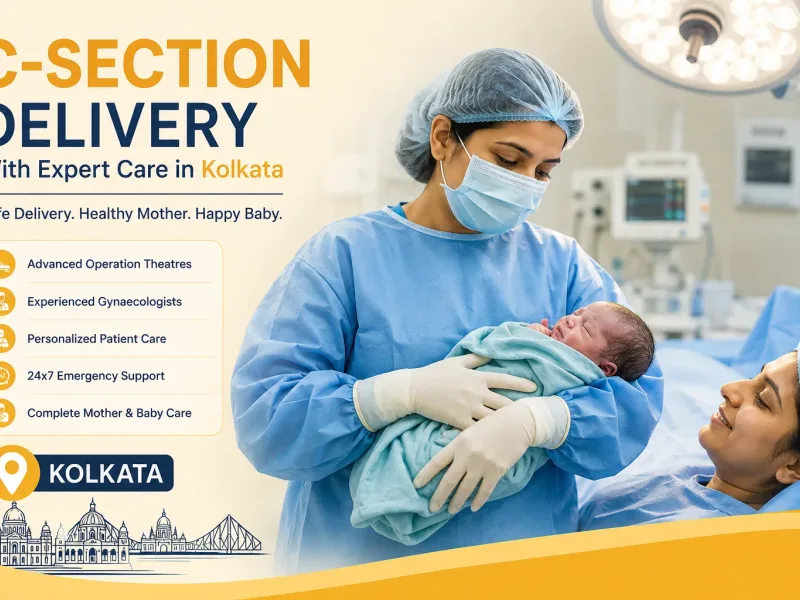
A cesarean section (C-section) is a surgical delivery in which a baby is born through an incision in the mother's abdomen and uterus. In Kolkata, several experienced obstetricians and well-equipped hospitals offer C-section services for planned and emergency deliveries. Understanding when a C-sectio
July 31, 2026
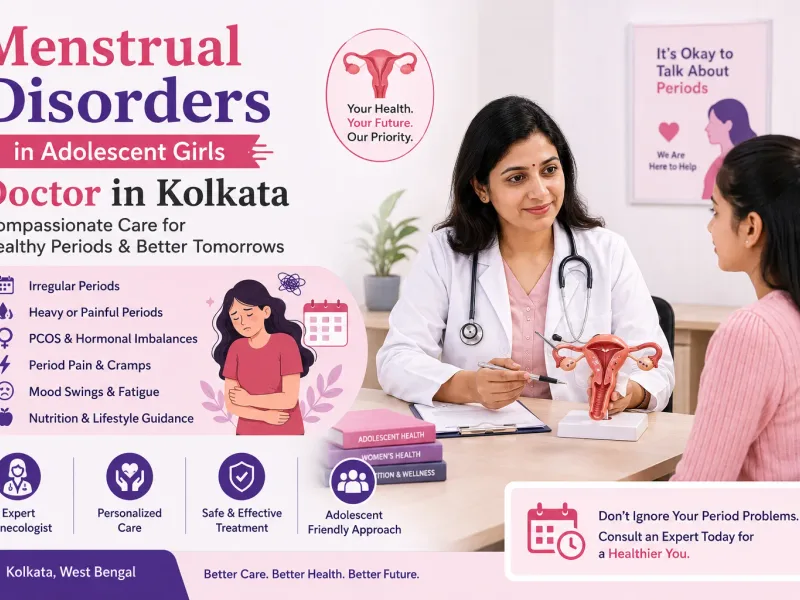
If you are searching for a Menstrual Disorders in Adolescent Girls Doctor in Kolkata, early evaluation by an experienced gynecologist can help identify the underlying cause of irregular or painful periods. While menstrual irregularities are common during the first few years after puberty, persistent
July 31, 2026
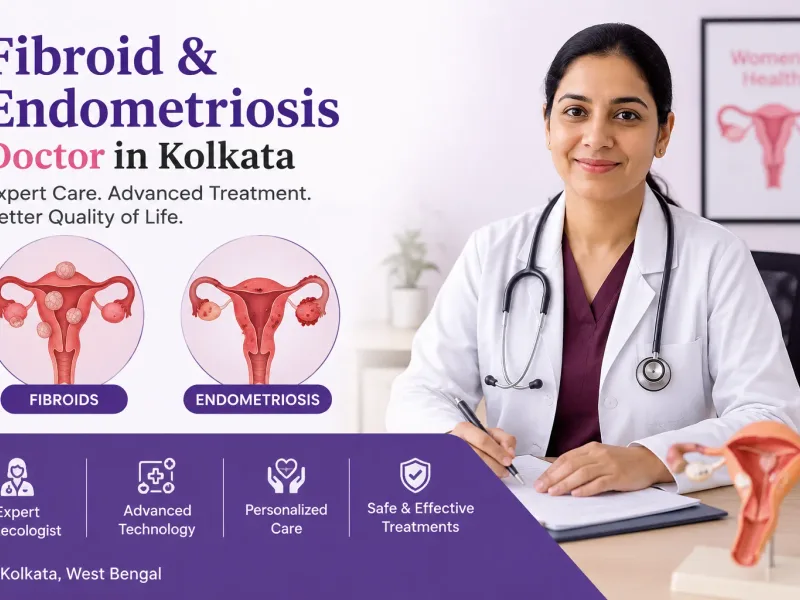
If you are searching for a Fibroid & Endometriosis doctor in Kolkata, choosing an experienced gynecologist with expertise in minimally invasive gynecological surgery is essential. Uterine fibroids and endometriosis are two common but different conditions that can cause pelvic pain, heavy menstrual b
July 31, 2026