

Emergency & Help
24/7 Emergency & General Advisory
🚨 24/7 Medical Emergency
Non-Emergency Advisory
10:00 AM – 6:00 PM, Mon–Sat
For appointments & general queries.
24/7 Emergency & General Advisory
🚨 24/7 Medical Emergency
Non-Emergency Advisory
10:00 AM – 6:00 PM, Mon–Sat
For appointments & general queries.
Understand elective abortion in India, including the legal framework under the MTP Act, reasons, procedures, risks, and when to seek medical help. Learn about family planning options.

Understanding Elective Abortion in the Indian Context The term "elective abortion," also known as a "voluntary abortion," refers to the termination of a pregnancy by choice, rather than due to medical necessity. While the medical procedure for abortion is the same regardless of the reason, the terminology is often used in legal and insurance contexts. In India, the Medical Termination of Pregnancy (MTP) Act, 1971, and its subsequent amendments, govern the circumstances under which abortions can be legally performed. This Act provides a framework that allows for termination of pregnancy under various conditions, including those that might be considered elective by some definitions, but are framed within specific legal and medical guidelines. Legal Framework for Abortion in India The MTP Act in India is quite progressive and allows for abortion under several conditions. It's crucial to understand that the term "elective" in the Indian context is nuanced. The law permits abortion based on factors such as: Risk to the life or physical or mental health of the pregnant woman. Rape or incest. Failure of contraceptive devices or methods. Continuation of pregnancy resulting from a humanitarian ground, such as in cases of economic hardship or social vulnerability. Diagnosis of fetal abnormalities. The Act specifies the number of doctors required to approve the termination based on the gestational age of the pregnancy. For pregnancies up to 20 weeks, one registered medical practitioner (RMP) can perform the termination. For pregnancies between 20 and 24 weeks, the opinion of two RMPs is required. Beyond 24 weeks, termination is generally permitted only when it is necessary to save the life of the pregnant woman. Reasons for Choosing Abortion Women may choose to have an abortion for a multitude of personal reasons. These can include: Not feeling ready for parenthood, either emotionally or financially. Not wanting to increase the size of their family at that particular time. Being in an unstable or abusive relationship that makes raising a child difficult. Personal aspirations and career goals that may be impacted by an unplanned pregnancy. Concerns about the health and well-being of the child. These reasons, while personal, are often accommodated within the legal framework of the MTP Act, provided the conditions and gestational limits are met. Types of Abortion Procedures The medical procedures for terminating a pregnancy are generally the same, whether termed elective or therapeutic. The choice of procedure depends on the gestational age of the pregnancy and the woman's health status. Medication Abortion (Abortion Pills) This method involves taking specific medications, usually within the first trimester (up to 10-12 weeks of pregnancy). It's a non-surgical option that can often be completed at home under medical supervision. The process typically involves two types of pills, mifepristone and misoprostol, which work together to end the pregnancy and expel the uterine contents. It is a common and safe method for early abortions. In-Clinic Abortion (Surgical Abortion) This is a medical procedure performed in a clinic or hospital setting. The most common types include: Vacuum Aspiration: This procedure is typically used for pregnancies up to 16 weeks. It involves using a suction device to remove the contents of the uterus. Dilation and Evacuation (D&E): This method is used for later-term pregnancies, usually after 16 weeks. It involves dilating the cervix and using a combination of suction and medical instruments to remove the pregnancy tissue. The choice between medication and in-clinic abortion is a medical decision made in consultation with a healthcare provider, considering factors like the duration of the pregnancy, the woman's medical history, and her personal preferences. Potential Side Effects and Complications Like any medical procedure, abortion carries potential risks and side effects, although complications are rare, especially when performed by qualified medical professionals within the legal gestational limits. Common side effects include: Cramping: Moderate to severe cramps are common, often similar to or more intense than menstrual cramps. These can last for several days. Bleeding: Bleeding, ranging from spotting to heavier flow, is expected after an abortion. For medication abortions, bleeding can last for several days to a couple of weeks. After in-clinic abortions, bleeding typically lasts for 3-5 days, with spotting continuing for a few weeks. Nausea and Vomiting: Some individuals may experience nausea and vomiting, particularly with medication abortions, which usually subsides within 24 hours. Serious complications, though rare, can include incomplete abortion (where some pregnancy tissue remains in the uterus), heavy bleeding requiring medical intervention, infection, or injury to the cervix or uterus. It is vital to follow post-procedure care instructions provided by your doctor. Recovery and Emotional Well-being The physical recovery period varies from person to person but is generally short. Most women can resume normal activities within a day or two after a medication abortion, and a few days after an in-clinic procedure. Emotional responses to abortion can vary widely. Some women feel relief, while others may experience sadness, guilt, or anxiety. It's important to acknowledge these feelings and seek support if needed. Many women report feeling that they made the right decision for their circumstances, even years later. When to Consult a Doctor It is essential to consult a doctor immediately if you experience any of the following after an abortion: Heavy bleeding that soaks through more than two maxi pads per hour for two consecutive hours. Severe abdominal pain or cramping that is not relieved by pain medication. Fever of 100.4°F (38°C) or higher. Foul-smelling vaginal discharge. Signs of infection,
In summary, timely diagnosis, evidence-based treatment, and prevention-focused care improve long-term health outcomes.
Visit Hospital
Near You

A cesarean section (C-section) is a surgical delivery in which a baby is born through an incision in the mother's abdomen and uterus. In Kolkata, several experienced obstetricians and well-equipped hospitals offer C-section services for planned and emergency deliveries. Understanding when a C-sectio
July 31, 2026
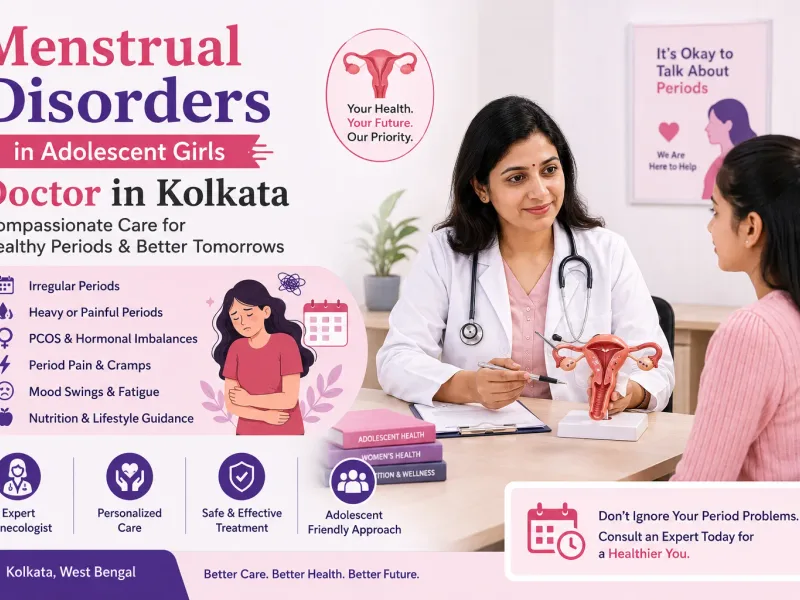
If you are searching for a Menstrual Disorders in Adolescent Girls Doctor in Kolkata, early evaluation by an experienced gynecologist can help identify the underlying cause of irregular or painful periods. While menstrual irregularities are common during the first few years after puberty, persistent
July 31, 2026
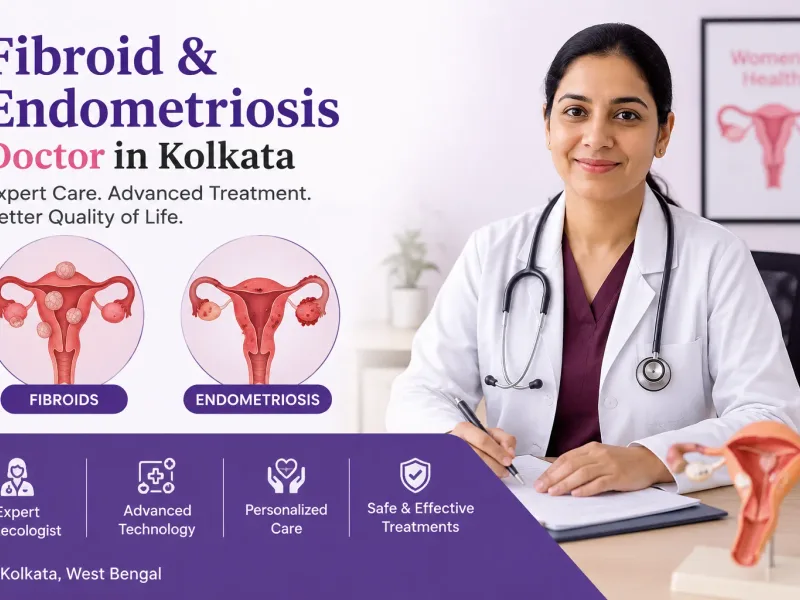
If you are searching for a Fibroid & Endometriosis doctor in Kolkata, choosing an experienced gynecologist with expertise in minimally invasive gynecological surgery is essential. Uterine fibroids and endometriosis are two common but different conditions that can cause pelvic pain, heavy menstrual b
July 31, 2026