Introduction: Navigating the Unique Landscape of Women's Health
Women's health is a vast and dynamic field, encompassing a unique set of physiological, hormonal, and social factors that influence well-being throughout different life stages. From adolescence through reproductive years, pregnancy, menopause, and beyond, women experience distinct health challenges and opportunities. Understanding these nuances is crucial for proactive health management, early detection of conditions, and fostering a lifetime of vitality. This comprehensive guide aims to empower women with knowledge about their bodies, common health concerns, preventive strategies, and when to seek professional medical advice.
At Doctar, we believe that informed choices lead to better health outcomes. This article delves into various aspects of women's health, from reproductive and hormonal health to mental well-being and chronic disease prevention, providing actionable insights for every woman.
Understanding the Stages of Women's Health
A woman's health journey is marked by several distinct phases, each with its own set of health considerations and potential challenges.
Adolescence and Early Adulthood
- Puberty: The onset of menstruation, breast development, and hormonal changes.
- Reproductive Health Education: Understanding menstrual cycles, contraception, and sexually transmitted infections (STIs).
- Mental Health: Higher prevalence of anxiety and depression often begins in these years.
Reproductive Years (Approximately 15-49 years)
- Menstrual Health: Managing regular cycles, addressing disorders like PCOS or endometriosis.
- Contraception: Family planning and safe sex practices.
- Pregnancy and Childbirth: Preconception care, antenatal care, delivery, and postpartum recovery.
- STI Prevention and Management: Critical for sexual health.
Perimenopause and Menopause (Typically 40s-50s)
- Hormonal Shifts: Declining estrogen levels leading to symptoms like hot flashes, mood swings, and sleep disturbances.
- Bone Health: Increased risk of osteoporosis due to estrogen decline.
- Cardiovascular Health: Changes in risk profile post-menopause.
Post-Menopause and Senior Years
- Chronic Disease Management: Higher incidence of heart disease, osteoporosis, and certain cancers.
- Cognitive Health: Maintaining mental sharpness.
- Overall Well-being: Focusing on healthy aging and quality of life.
Common Health Concerns in Women
Women are susceptible to a range of health issues, some unique to their physiology and others more prevalent or presenting differently in women.
1. Reproductive Health Disorders
a. Menstrual Irregularities and Conditions
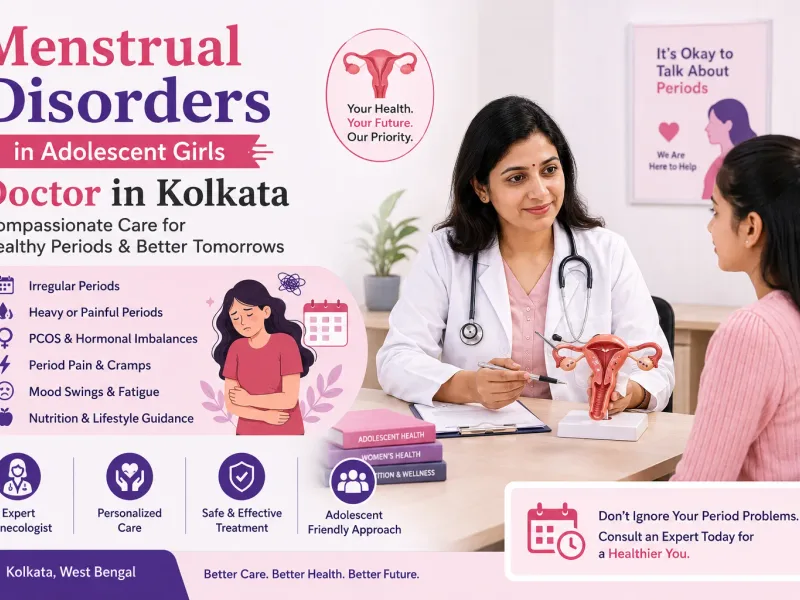
Many women experience some form of menstrual irregularity or discomfort. These can range from mild to debilitating.
- Polycystic Ovary Syndrome (PCOS): A hormonal disorder common among women of reproductive age.Symptoms: Irregular periods, excess androgen (leading to acne, hirsutism), polycystic ovaries (on ultrasound).Causes: Exact cause unknown, but genetic and environmental factors, insulin resistance, and inflammation play a role.Diagnosis: Based on two out of three criteria: irregular periods, signs of excess androgen, and polycystic ovaries.Treatment: Lifestyle modifications (diet, exercise), oral contraceptives, anti-androgen medications, fertility treatments.
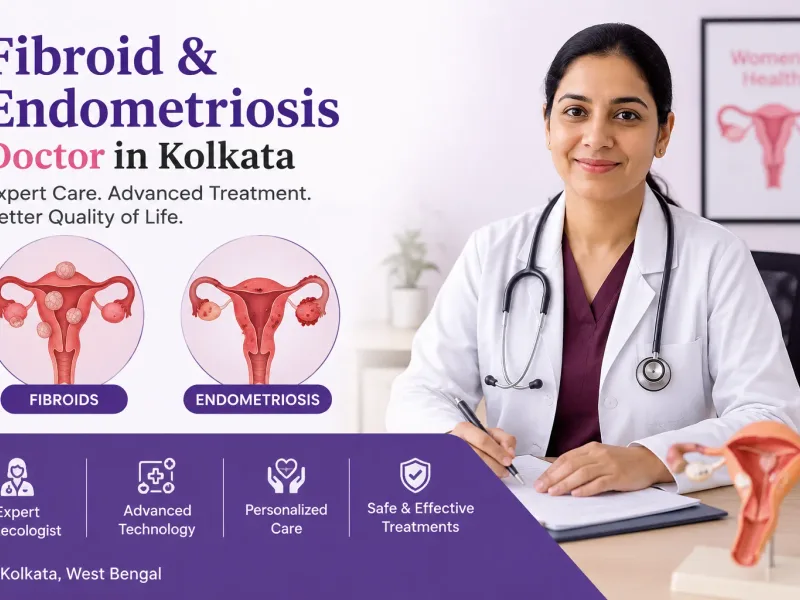
- Endometriosis: A condition where tissue similar to the lining of the uterus grows outside the uterus.Symptoms: Severe pelvic pain, painful periods (dysmenorrhea), pain during intercourse (dyspareunia), heavy bleeding, infertility.Causes: Retrograde menstruation, genetic factors, immune system dysfunction.Diagnosis: Pelvic exam, ultrasound, MRI, laparoscopy (definitive).Treatment: Pain relievers, hormonal therapy (oral contraceptives, GnRH agonists), surgery (laparoscopy to remove tissue).
- Uterine Fibroids: Non-cancerous growths of the uterus.Symptoms: Heavy menstrual bleeding, prolonged periods, pelvic pressure or pain, frequent urination, difficulty emptying the bladder, constipation, backache or leg pains.Causes: Hormonal (estrogen and progesterone), genetic changes.Diagnosis: Pelvic exam, ultrasound, MRI.Treatment: Watchful waiting, medications (GnRH agonists, progestin-releasing IUDs), non-invasive procedures (uterine artery embolization), surgery (myomectomy, hysterectomy).
b. Sexually Transmitted Infections (STIs)
STIs can have more severe and long-term consequences for women, including infertility, ectopic pregnancy, and chronic pelvic pain. The reference URL specifically highlights STIs in women.
- Common STIs: Chlamydia, Gonorrhea, HPV (Human Papillomavirus), Herpes, Syphilis, HIV.
- Symptoms: Often asymptomatic in women, leading to delayed diagnosis. When present, symptoms can include unusual vaginal discharge, burning during urination, genital sores, pelvic pain, itching. HPV can cause genital warts or lead to cervical cancer.
- Causes: Unprotected sexual contact with an infected partner.
- Diagnosis: Swabs (cervical, vaginal, urethral), urine tests, blood tests. HPV is often detected via Pap tests.
- Treatment: Antibiotics for bacterial STIs (Chlamydia, Gonorrhea, Syphilis), antivirals for viral STIs (Herpes, HIV - managing symptoms and viral load), no cure for HPV but warts can be treated and regular screening is crucial for preventing cervical cancer.
- Prevention: Consistent and correct use of condoms, regular STI screening (especially for sexually active individuals), HPV vaccination, limiting sexual partners, open communication with partners.
2. Cancers Specific to Women
Early detection is key for improving outcomes in gynecological and breast cancers.
- Breast Cancer: The most common cancer among women globally.Symptoms: Lump in the breast or armpit, changes in breast size or shape, skin changes (dimpling, redness), nipple discharge or inversion.Causes: Complex interplay of genetics (BRCA1/2 mutations), hormones, lifestyle factors (alcohol, obesity), radiation exposure.Diagnosis: Clinical breast exam, mammogram, ultrasound, MRI, biopsy.Treatment: Surgery (lumpectomy, mastectomy), radiation therapy, chemotherapy, hormonal therapy, targeted therapy, immunotherapy.Prevention: Regular self-exams, clinical exams, mammograms (starting at age 40-50, depending on risk), healthy lifestyle, genetic counseling for high-risk individuals.
- Cervical Cancer: Almost exclusively caused by persistent HPV infection.Symptoms: Often asymptomatic in early stages. Later symptoms include abnormal vaginal bleeding (after intercourse, between periods, post-menopause), pelvic pain, painful intercourse.Causes: Persistent infection with high-risk HPV types.Diagnosis: Pap test (detects abnormal cells), HPV test, colposcopy, biopsy.Treatment: Surgery (LEEP, conization, hysterectomy), radiation, chemotherapy.Prevention: HPV vaccination (recommended for adolescents), regular Pap tests and HPV screening.
- Ovarian Cancer: Often detected at advanced stages due to vague symptoms.Symptoms: Bloating, pelvic or abdominal pain, difficulty eating or feeling full quickly, frequent or urgent urination. These symptoms are often mild and easily dismissed.Causes: Genetic mutations (BRCA1/2), family history, endometriosis, never having been pregnant.Diagnosis: Pelvic exam, transvaginal ultrasound, CA-125 blood test, biopsy (definitive).Treatment: Surgery (to remove tumors), chemotherapy.Prevention: No reliable screening test for the general population. Risk reduction strategies include oral contraceptives, tubal ligation, hysterectomy (for those at very high risk).
3. Hormonal Imbalances and Endocrine Disorders
Hormones play a critical role in regulating numerous bodily functions, and imbalances can lead to a variety of health issues.
- Thyroid Disorders: Hypothyroidism (underactive) and Hyperthyroidism (overactive) are more common in women.Symptoms: Fatigue, weight changes, mood swings, hair loss, menstrual irregularities.Causes: Autoimmune conditions (Hashimoto's, Graves' disease), iodine deficiency/excess, inflammation.Diagnosis: Blood tests (TSH, T3, T4).Treatment: Medications (levothyroxine for hypothyroidism, anti-thyroid drugs for hyperthyroidism), radioactive iodine, surgery.
- Menopause-Related Symptoms: Hot flashes, night sweats, vaginal dryness, mood changes, sleep disturbances.Causes: Decline in estrogen production as ovaries cease functioning.Diagnosis: Clinical evaluation, blood tests (FSH, estrogen levels) to confirm menopause.Treatment: Hormone replacement therapy (HRT), non-hormonal medications, lifestyle adjustments (diet, exercise, stress reduction).
4. Bone Health: Osteoporosis
Women are at a significantly higher risk of osteoporosis, especially after menopause.
- Symptoms: Often none until a fracture occurs. Back pain (due to vertebral collapse), loss of height, stooped posture.Causes: Estrogen deficiency post-menopause, inadequate calcium/Vitamin D intake, certain medications, sedentary lifestyle, genetic factors.Diagnosis: Bone density scan (DEXA scan).Treatment: Bisphosphonates, hormone therapy (in some cases), calcium and Vitamin D supplements, weight-bearing exercise.Prevention: Adequate calcium and Vitamin D intake throughout life, regular weight-bearing exercise, avoiding smoking and excessive alcohol, early screening for at-risk individuals.
5. Cardiovascular Health
Heart disease is the leading cause of death for women, but symptoms can differ from men, often being more subtle.
- Symptoms: Chest pain (angina) may be less common. Women often experience shortness of breath, nausea/vomiting, extreme fatigue, pain in the jaw, neck, or back.Causes: High blood pressure, high cholesterol, diabetes, obesity, smoking, physical inactivity, stress. Hormonal changes after menopause also increase risk.Diagnosis: ECG, stress test, echocardiogram, angiogram.Treatment: Lifestyle changes, medications (statins, blood pressure meds), angioplasty, bypass surgery.Prevention: Healthy diet, regular exercise, maintaining a healthy weight, managing blood pressure and cholesterol, quitting smoking, stress management.
6. Mental Health
Women are disproportionately affected by certain mental health conditions, including depression and anxiety, and have unique vulnerabilities like postpartum depression.
- Depression and Anxiety: Higher prevalence in women.Symptoms: Persistent sadness, loss of interest, fatigue, sleep disturbances, changes in appetite, irritability, excessive worry, panic attacks.Causes: Hormonal fluctuations (menstrual cycle, pregnancy, menopause), social pressures, genetics, trauma, stress.Diagnosis: Clinical evaluation by a mental health professional, screening questionnaires.Treatment: Psychotherapy (CBT, talk therapy), antidepressant/anti-anxiety medications, lifestyle changes (exercise, mindfulness, social support).
- Postpartum Depression (PPD): A more severe and long-lasting form of the 'baby blues'.Symptoms: Intense sadness, severe mood swings, difficulty bonding with the baby, overwhelming fatigue, feelings of hopelessness, thoughts of self-harm or harming the baby.Causes: Drastic drop in hormones after childbirth, sleep deprivation, stress of new motherhood, lack of support.Diagnosis: Clinical evaluation, screening questionnaires.Treatment: Therapy, medication, support groups, practical support from family/friends.
7. Autoimmune Diseases
Autoimmune conditions, where the immune system mistakenly attacks healthy body tissue, affect women much more frequently than men.
- Examples: Lupus, Rheumatoid Arthritis, Multiple Sclerosis, Hashimoto's Thyroiditis.Symptoms: Vary widely depending on the disease but often include fatigue, joint pain, muscle weakness, skin rashes, fever, and inflammation.Causes: Genetic predisposition, hormonal factors, environmental triggers.Diagnosis: Blood tests (autoantibody tests, inflammatory markers), physical exam, imaging.Treatment: Immunosuppressants, anti-inflammatory drugs, corticosteroids, lifestyle management.
Diagnosis and Screening: Proactive Health Management
Regular screenings and check-ups are cornerstones of women's health, enabling early detection and timely intervention.
- Annual Physical Exam: General health assessment, blood pressure, weight, blood tests.
- Pap Test (Cervical Cancer Screening): Recommended typically every 3-5 years for women aged 21-65, depending on age and previous results. Detects abnormal cervical cells.
- HPV Test: Often done in conjunction with or instead of a Pap test for women over 30 to screen for high-risk HPV types.
- Mammogram (Breast Cancer Screening): Recommended annually or biennially for women typically starting at age 40 or 50, depending on guidelines and individual risk factors.
- Bone Density Scan (DEXA Scan): Recommended for women over 65, or earlier for those with risk factors for osteoporosis.
- STI Screening: For sexually active women, especially those with new or multiple partners.
- Blood Pressure and Cholesterol Checks: Regularly, as part of routine health checks.
- Diabetes Screening: Especially for women with risk factors like obesity, family history, or gestational diabetes history.
- Mental Health Screening: Discussing mood changes, anxiety, or depression with your doctor.
Treatment Options in Women's Health
Treatment approaches are highly individualized and depend on the specific condition, its severity, and the woman's overall health and preferences.
- Medication: Ranging from pain relievers and antibiotics for infections to hormonal therapies, antidepressants, and drugs for chronic conditions.
- Hormonal Therapy: Used for managing menstrual disorders, menopausal symptoms, and certain cancers.
- Lifestyle Modifications: Diet, exercise, stress reduction, adequate sleep are fundamental to managing and preventing many conditions, including PCOS, heart disease, diabetes, and mental health issues.
- Surgery: For conditions like fibroids, endometriosis, certain cancers, or severe pelvic organ prolapse.
- Therapy and Counseling: Essential for mental health conditions, chronic pain management, and coping with significant life changes or diagnoses.
- Physical Therapy: For pelvic floor dysfunction, postpartum recovery, or musculoskeletal issues.
Prevention: A Lifetime of Wellness
Prevention is always better than cure. Adopting healthy habits and utilizing available preventive measures can significantly reduce the risk of many women's health issues.
- Healthy Diet: Balanced intake of fruits, vegetables, whole grains, lean proteins, and healthy fats. Limit processed foods, sugar, and unhealthy fats.
- Regular Physical Activity: Aim for at least 150 minutes of moderate-intensity aerobic activity or 75 minutes of vigorous-intensity activity per week, plus strength training at least twice a week.
- Maintain a Healthy Weight: Reduces the risk of heart disease, diabetes, certain cancers, and PCOS.
- Avoid Smoking and Limit Alcohol: Smoking is a major risk factor for heart disease, cancer, and osteoporosis. Excessive alcohol can also impact health.
- Safe Sexual Practices: Consistent and correct use of condoms, regular STI screening, and open communication with partners.
- Vaccinations: HPV vaccine to prevent cervical cancer, flu vaccine, tetanus, diphtheria, pertussis (Tdap) during pregnancy, and others as recommended.
- Stress Management: Practice mindfulness, meditation, yoga, or engage in hobbies to manage stress effectively.
- Adequate Sleep: Aim for 7-9 hours of quality sleep per night.
- Regular Health Check-ups and Screenings: Adhere to recommended schedules for Pap tests, mammograms, blood pressure, and cholesterol checks.
When to See a Doctor
While regular check-ups are vital, certain symptoms warrant immediate medical attention. Don't hesitate to consult a healthcare professional if you experience any of the following:
- Unusual or Persistent Pain: Especially pelvic pain, abdominal pain, or breast pain that doesn't resolve.
- Abnormal Vaginal Bleeding: Bleeding between periods, unusually heavy or prolonged periods, or post-menopausal bleeding.
- New Lumps or Changes: In breasts, armpits, or genital area.
- Unusual Discharge or Itching: Vaginal discharge that changes in color, odor, or consistency, or persistent itching.
- Significant Mood Changes: Persistent sadness, anxiety, hopelessness, or thoughts of self-harm.
- Changes in Bowel or Bladder Habits: Persistent bloating, constipation, diarrhea, or frequent/urgent urination.
- Unexplained Weight Loss or Gain.
- Severe or Debilitating Menstrual Symptoms.
- Concerns about Fertility or Contraception.
- Symptoms of an STI: Even if mild or vague.
Frequently Asked Questions (FAQs)
Q1: How often should I get a Pap test?
A: Generally, women aged 21-29 should have a Pap test every 3 years. For women aged 30-65, a Pap test combined with an HPV test every 5 years is often recommended, or a Pap test alone every 3 years. Your doctor will advise based on your history and risk factors.
Q2: What are the early signs of menopause?
A: Early signs, part of perimenopause, can include irregular periods, hot flashes, night sweats, vaginal dryness, mood swings, sleep disturbances, and changes in libido. These symptoms can begin several years before your last period.
Q3: Is it normal to have painful periods?
A: While some discomfort during menstruation is common, severe or debilitating pain (dysmenorrhea) is not normal and should be evaluated by a doctor. It could be a sign of an underlying condition like endometriosis, fibroids, or adenomyosis.
Q4: How can I reduce my risk of breast cancer?
A: You can reduce your risk by maintaining a healthy weight, limiting alcohol consumption, exercising regularly, and avoiding smoking. Regular screenings (mammograms and clinical breast exams) are also crucial for early detection.
Q5: What should I do if I suspect I have an STI?
A: If you suspect you have an STI, it's crucial to see a doctor as soon as possible for testing and treatment. Avoid sexual activity until you've been tested and, if necessary, treated. Inform any recent sexual partners so they can also get tested.
Conclusion: Embracing a Proactive Approach to Women's Health
Women's health is a journey of continuous learning, adaptation, and proactive care. By understanding the unique aspects of female physiology, being aware of common health concerns, and committing to preventive strategies, women can significantly enhance their quality of life at every stage. Regular medical check-ups, open communication with healthcare providers, and a commitment to a healthy lifestyle are not just recommendations; they are essential tools for empowerment. Remember, investing in your health today is an investment in a vibrant and fulfilling future. Doctar is here to support you on this journey, providing reliable information and connecting you with the care you need.