Understanding Endometriosis and Its Impact
Endometriosis is a common yet often misunderstood condition affecting many women in India and around the world. It occurs when tissue similar to the lining of the uterus, called the endometrium, grows outside the uterus. This misplaced tissue can be found on the ovaries, fallopian tubes, and the outer surface of the uterus, and in rarer cases, on the bladder, bowel, or other organs. These endometrial-like growths respond to hormonal changes during the menstrual cycle, leading to inflammation, pain, and the formation of scar tissue.
The symptoms of endometriosis can vary significantly from person to person, ranging from mild to severe. Common symptoms include:
- Painful periods (dysmenorrhea): Often the most prominent symptom, with pain that can be debilitating and extend beyond the typical menstrual cramps.
- Pain during or after intercourse (dyspareunia).
- Pain with bowel movements or urination, especially during menstrual periods.
- Excessive bleeding: Including bleeding between periods or unusually heavy menstrual periods.
- Infertility: Endometriosis can make it difficult to conceive.
- Other symptoms: Such as fatigue, bloating, nausea, and diarrhea, particularly during menstrual periods.
The exact cause of endometriosis is not fully understood, but several theories exist, including retrograde menstruation (menstrual blood flowing back into the pelvic cavity), genetic predisposition, and immune system dysfunction. While there is no cure for endometriosis, treatment focuses on managing symptoms and improving quality of life.
The Role of Exercise in Managing Endometriosis
For women living with endometriosis, managing symptoms often involves a combination of medical treatments and lifestyle adjustments. Among these lifestyle changes, exercise has emerged as a potentially beneficial, albeit complex, component of care. While research is ongoing, many healthcare professionals recommend incorporating physical activity into a management plan. The Office on Women’s Health, for instance, suggests at least 4 hours of exercise per week. Regular physical activity can help moderate estrogen levels and reduce body fat, both of which can influence endometriosis symptoms.
Potential Benefits of Exercise
Exercise can offer both direct and indirect benefits for individuals with endometriosis:
- Pain Perception: Some studies suggest that exercise may help reduce pain perception related to endometriosis. This could be due to its anti-inflammatory effects. A 2021 systematic review indicated that exercise could positively influence inflammation, potentially leading to reduced pain.
- Mental and Emotional Well-being: Regular workouts can significantly improve mood, reduce stress, and enhance overall mental well-being. These benefits can be particularly valuable for those dealing with the chronic pain and emotional toll of endometriosis.
- Hormonal Balance: Exercise can help regulate estrogen levels in the body. High estrogen levels are thought to exacerbate endometriosis, so moderating them through physical activity may offer relief.
- Reduced Body Fat: Excess body fat can also contribute to endometriosis symptoms. Exercise aids in weight management and fat reduction, which can be beneficial.
- Improved Physical Function: Maintaining physical fitness can help manage fatigue and improve overall energy levels, making it easier to cope with daily life.
Recommended Exercises for Endometriosis
Not all exercises are created equal when it comes to endometriosis. Gentle to moderate activities are generally recommended. It's crucial to listen to your body and avoid pushing yourself too hard, especially during flare-ups.
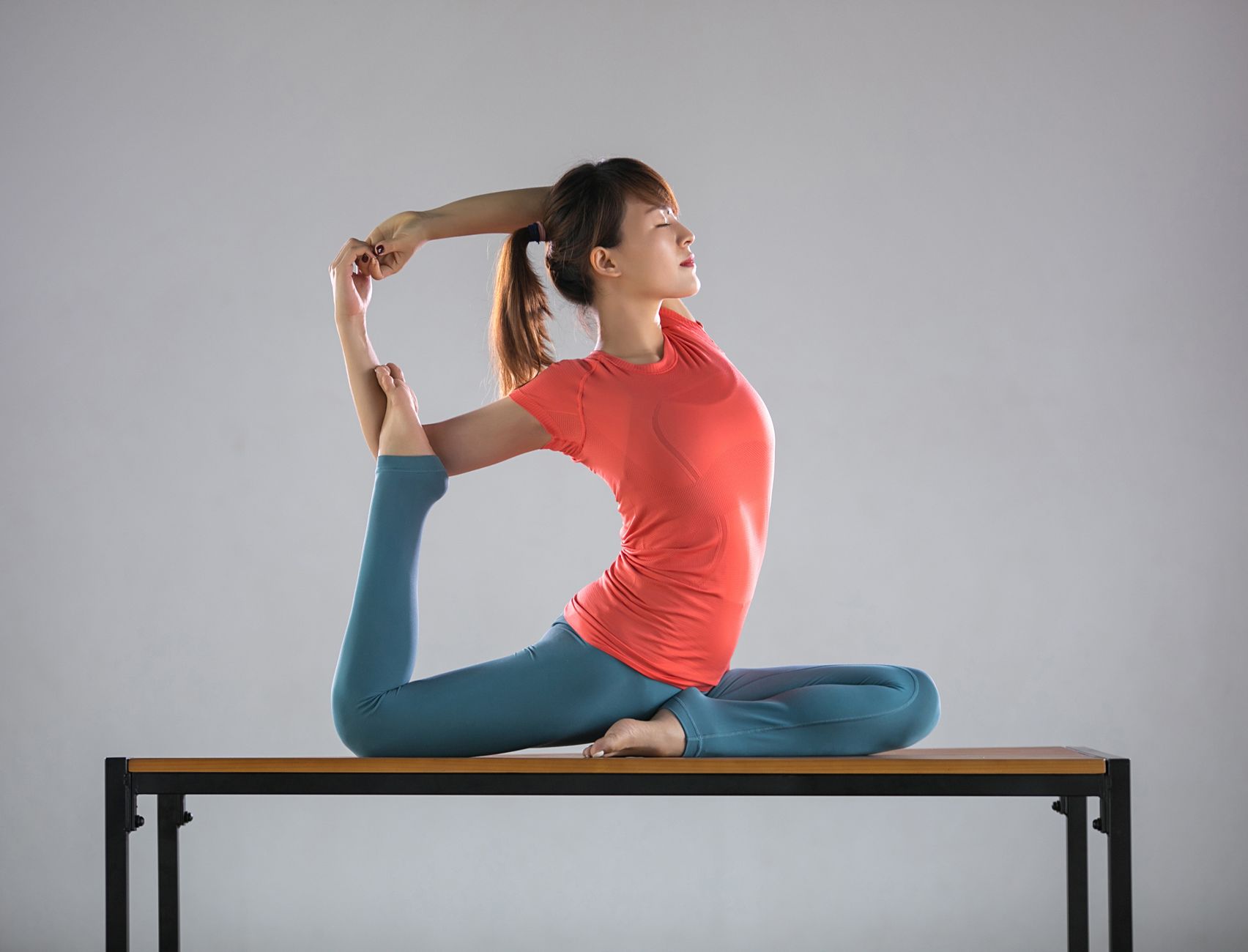
1. Yoga
Yoga is a holistic practice that combines physical postures, breathing techniques, and meditation. It can be particularly beneficial for endometriosis due to its ability to:
- Build strength and flexibility.
- Reduce pelvic pain.
- Alleviate stress and anxiety.
A 2017 study found that Hatha yoga could significantly reduce pelvic pain in women with endometriosis. Gentle yoga poses that focus on stretching and relaxation are often recommended.
2. Pelvic Floor Exercises
Strengthening the pelvic floor muscles can help improve support and mobility in the pelvic area. These exercises can also help manage pain and improve bladder control.
- Examples include: Cat-Cow stretches, pelvic tilts, and modified Pilates exercises like the '100s'.
- Focus: These exercises aim to increase awareness and control of the pelvic muscles, promoting better joint mobility and reducing discomfort.
3. Aerobic Exercises
Low to moderate-intensity aerobic activities are beneficial for overall health and can help manage endometriosis symptoms:
- Examples: Walking, swimming, cycling, and light jogging.
- Benefits: These activities can help reduce inflammation, improve cardiovascular health, and contribute to hormonal balance.
Exercises to Approach with Caution or Avoid
While exercise is generally encouraged, certain high-intensity activities might exacerbate endometriosis symptoms for some individuals. A 2023 review advised caution with intense exercises, as they could potentially worsen symptoms. These might include:
- High-impact activities like running or jumping.
- Intense weightlifting.
- Strenuous cardio workouts.
It's essential to pay attention to how your body responds to different types of exercise. If an activity increases your pain or discomfort, it's best to modify it or choose an alternative.
When to Consult a Doctor
It is crucial to discuss any new exercise regimen with your doctor or a physiotherapist, especially if you have endometriosis. They can help you create a safe and effective exercise plan tailored to your specific condition and pain levels. Consulting a healthcare professional is also important if you experience:
- Severe or persistent pelvic pain.
- Irregular bleeding that is concerning.
- Difficulty conceiving.
- Any new or worsening symptoms.
Your doctor can provide accurate diagnosis, discuss treatment options, and offer personalized advice on lifestyle modifications, including exercise.
Conclusion
Endometriosis is a challenging condition, but incorporating appropriate exercise into your lifestyle can be a powerful tool for managing its symptoms. By choosing gentle to moderate activities like yoga, pelvic floor exercises, and light aerobics, and by listening to your body, you can harness the benefits of movement to improve your physical and mental well-being. Always remember to consult with your healthcare provider to ensure your exercise plan is safe and effective for your individual needs.
Additional Medical Guidance
This section adds practical context and preventive advice to help readers make informed healthcare decisions. It is important to verify symptoms early, consult qualified doctors, and avoid self-medication for persistent health issues.
Maintaining healthy routines, following prescribed treatment plans, and attending regular checkups can improve outcomes. If symptoms worsen or red-flag signs appear, immediate medical evaluation is recommended.
Quick Checklist
Track symptoms and duration.
Follow diagnosis and treatment from a licensed practitioner.
Review medication side effects with your doctor.
Seek urgent care for severe warning signs.