

Emergency & Help
24/7 Emergency & General Advisory
🚨 24/7 Medical Emergency
Non-Emergency Advisory
10:00 AM – 6:00 PM, Mon–Sat
For appointments & general queries.
24/7 Emergency & General Advisory
🚨 24/7 Medical Emergency
Non-Emergency Advisory
10:00 AM – 6:00 PM, Mon–Sat
For appointments & general queries.
Stay updated with our latest healthcare news and your appointments.
Explore hepatic endometriosis, a rare condition where endometrial tissue grows in the liver. Learn about its elusive symptoms, complex diagnosis, and treatment options for this challenging form of extra-pelvic endometriosis.

Endometriosis is a chronic, often painful condition where tissue similar to the lining inside the uterus (the endometrium) grows outside the uterus. While it most commonly affects the pelvic organs like the ovaries, fallopian tubes, and the outer surface of the uterus, it can, in rare cases, appear in distant organs. One such extremely rare and often challenging manifestation is endometriosis in the liver, also known as hepatic endometriosis. This condition presents unique diagnostic and treatment dilemmas, often mimicking other more common liver diseases. Understanding this rare form of endometriosis is crucial for both healthcare providers and individuals experiencing unexplained symptoms.
This article aims to shed light on hepatic endometriosis, exploring its symptoms, potential causes, diagnostic approaches, and available treatment options. By raising awareness, we hope to contribute to earlier recognition and more effective management of this enigmatic condition.
Before delving into liver endometriosis, it's essential to understand the basics of endometriosis itself. Endometriosis affects millions of women worldwide, primarily during their reproductive years. The endometrial-like tissue responds to hormonal changes of the menstrual cycle, meaning it thickens, breaks down, and bleeds each month. However, unlike the tissue inside the uterus that exits the body during menstruation, this displaced tissue has no way to escape. This leads to inflammation, pain, scar tissue formation, and adhesions, where tissues or organs stick together.
Common symptoms of endometriosis include:
While the exact cause of endometriosis remains unknown, several theories exist, including retrograde menstruation (menstrual blood flowing backward into the pelvic cavity), genetic predisposition, immune system dysfunction, and coelomic metaplasia (cells outside the uterus transforming into endometrial-like cells).
Hepatic endometriosis refers to the presence of endometrial-like tissue within the liver parenchyma. This is an exceedingly rare form of extra-pelvic endometriosis, with only a handful of cases reported in medical literature. Its rarity makes it a diagnostic challenge, as symptoms can be non-specific or mimic other liver conditions.
The mechanisms by which endometrial tissue migrates to distant organs like the liver are not fully understood, but several theories have been proposed:
Regardless of the exact mechanism, once established in the liver, these endometrial implants behave like typical endometriosis, responding to hormonal fluctuations, leading to cyclical bleeding, inflammation, and potential cyst formation (endometriomas) within the liver tissue.
The symptoms of hepatic endometriosis can be highly variable, ranging from asymptomatic discovery to severe, debilitating pain and liver dysfunction. They can be broadly categorized into liver-specific symptoms and general endometriosis symptoms.
Patients with hepatic endometriosis often also experience the more common pelvic symptoms of endometriosis, such as:
It is important to note that due to the rarity of hepatic endometriosis, these liver-specific symptoms are more likely to be attributed to other, more common liver conditions initially. The cyclical nature of symptoms, if present, can be a crucial clue pointing towards endometriosis.
Diagnosing hepatic endometriosis is challenging due to its rarity and non-specific symptoms. It often requires a high index of suspicion and a multidisciplinary approach involving gynecologists, gastroenterologists, radiologists, and surgeons.
Imaging plays a crucial role in identifying liver lesions and ruling out other conditions. However, imaging findings of hepatic endometriosis can be non-specific.
The only way to definitively diagnose hepatic endometriosis is through a tissue biopsy of the liver lesion. This can be performed via:
Histopathological examination of the biopsy specimen will reveal the presence of endometrial glands and stroma, often with evidence of hemorrhage and hemosiderin-laden macrophages, confirming the diagnosis.
Treatment for hepatic endometriosis is highly individualized and depends on several factors, including the severity of symptoms, the size and number of lesions, the patient's age, and fertility desires. It often involves a combination of medical and surgical approaches.
The primary goal of medical therapy is to suppress the growth and activity of endometrial tissue by altering hormonal levels. This can help alleviate symptoms and potentially reduce the size of the lesions, though complete regression is rare.
Surgery is often considered for symptomatic lesions, large lesions, or when there is diagnostic uncertainty (e.g., to rule out malignancy).
Regardless of the treatment approach, regular follow-up with imaging (MRI, CT) and blood tests (LFTs, CA-125) is essential to monitor for recurrence or complications, as endometriosis is a chronic condition with a tendency to recur.
Unfortunately, there is no known way to prevent endometriosis, including its rare forms like hepatic endometriosis. The focus is primarily on early diagnosis and effective management to control symptoms, prevent progression, and improve quality of life.
However, general health and lifestyle recommendations, though not proven to prevent endometriosis, can support overall well-being:
It is crucial to seek medical attention if you experience any concerning symptoms, especially if they are persistent or worsening. While hepatic endometriosis is rare, prompt evaluation can lead to an earlier diagnosis and better outcomes for any underlying condition.
You should see a doctor if you experience:
If you have a diagnosis of endometriosis and develop new, unusual symptoms, particularly those affecting the liver or other distant organs, discuss these concerns with your gynecologist or primary care physician. They can help coordinate further investigations and refer you to specialists like a gastroenterologist or hepatologist.
A: No, hepatic endometriosis is extremely rare. It is one of the rarest forms of extra-pelvic endometriosis, with only a limited number of cases documented in medical literature. This rarity often contributes to diagnostic delays.
A: While endometriosis itself is generally benign, there have been extremely rare reports of malignant transformation of endometriotic implants, including in extra-pelvic sites. However, this is exceptionally uncommon. Any liver lesion, regardless of suspected origin, warrants thorough investigation to rule out malignancy.
A: Endometriosis is a chronic condition, and while treatments can effectively manage symptoms, remove lesions, and improve quality of life, a complete
Visit Hospital
Near You
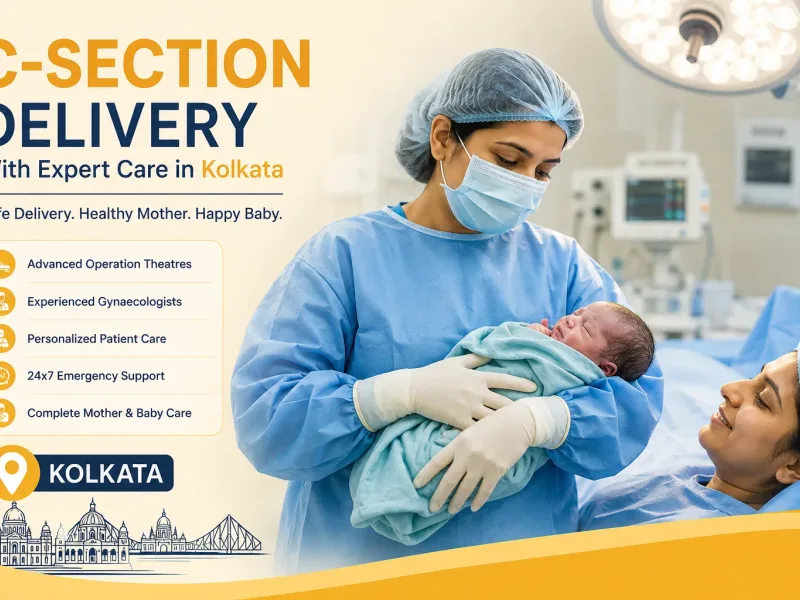
A cesarean section (C-section) is a surgical delivery in which a baby is born through an incision in the mother's abdomen and uterus. In Kolkata, several experienced obstetricians and well-equipped hospitals offer C-section services for planned and emergency deliveries. Understanding when a C-sectio
July 31, 2026
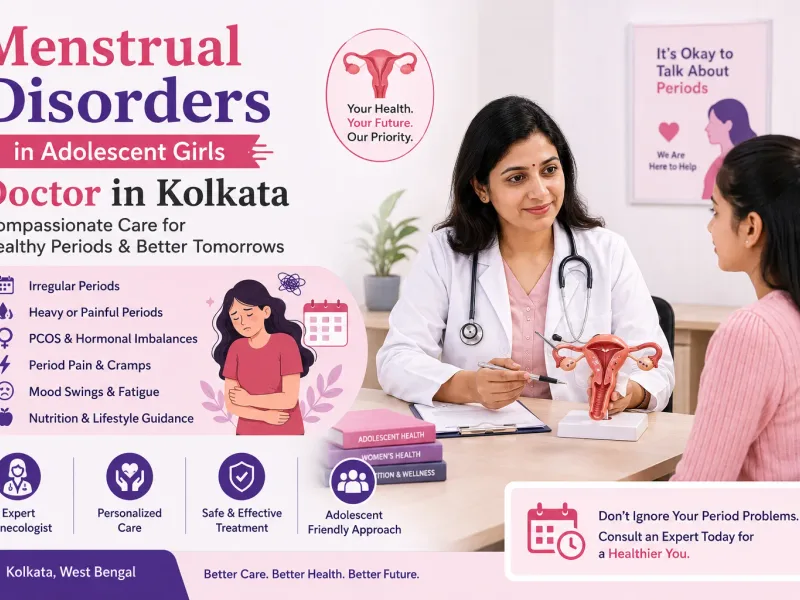
If you are searching for a Menstrual Disorders in Adolescent Girls Doctor in Kolkata, early evaluation by an experienced gynecologist can help identify the underlying cause of irregular or painful periods. While menstrual irregularities are common during the first few years after puberty, persistent
July 31, 2026
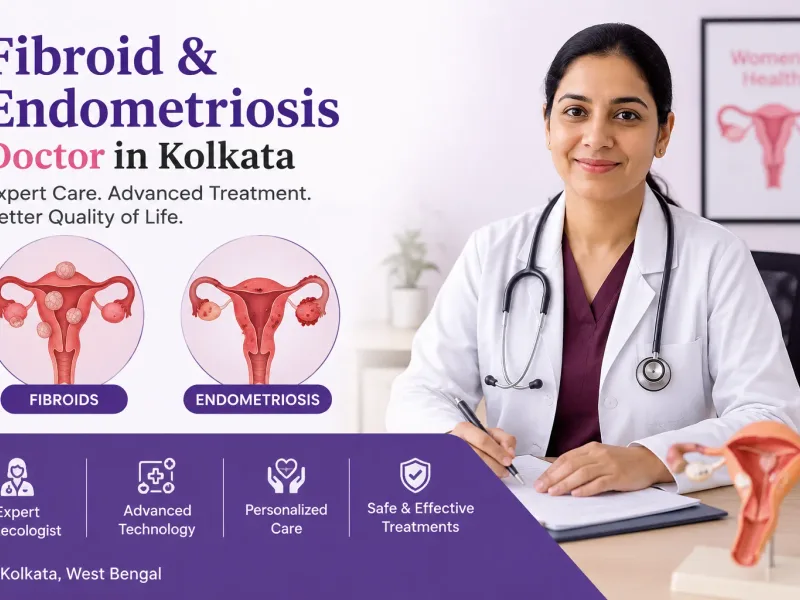
If you are searching for a Fibroid & Endometriosis doctor in Kolkata, choosing an experienced gynecologist with expertise in minimally invasive gynecological surgery is essential. Uterine fibroids and endometriosis are two common but different conditions that can cause pelvic pain, heavy menstrual b
July 31, 2026