

Emergency & Help
24/7 Emergency & General Advisory
🚨 24/7 Medical Emergency
Non-Emergency Advisory
10:00 AM – 6:00 PM, Mon–Sat
For appointments & general queries.
24/7 Emergency & General Advisory
🚨 24/7 Medical Emergency
Non-Emergency Advisory
10:00 AM – 6:00 PM, Mon–Sat
For appointments & general queries.
Learn about endometriosis: its causes, common symptoms like painful periods and intercourse, diagnosis methods, and effective treatment options including hormone therapy and surgery. Understand how lifestyle changes can help manage this condition.

Endometriosis is a condition that affects many women, often causing significant pain and impacting fertility. While the exact causes remain a subject of ongoing research, understanding its potential triggers, recognizing its symptoms, and knowing the available management strategies are key for those living with it. This condition occurs when tissue similar to the lining inside the uterus, called the endometrium, grows outside the uterus. This misplaced tissue responds to hormonal changes during the menstrual cycle, bleeding and breaking down, which can lead to inflammation, pain, and scar tissue formation. It's a complex condition, and its impact on a woman's life can be profound.
In simple terms, endometriosis is a disorder where the tissue that normally lines the uterus grows outside of it. This rogue tissue can attach to ovaries, fallopian tubes, and the outer surface of the uterus. In some rare cases, it can spread to other parts of the body. Because this tissue behaves like the uterine lining, it thickens, breaks down, and bleeds with each menstrual cycle. However, since it has no way to exit the body, it becomes trapped. This leads to irritation, pain, inflammation, and the formation of scar tissue, which can bind organs together.
The symptoms of endometriosis can vary greatly from woman to woman. Some women experience mild symptoms, while others have severe, debilitating pain. One of the most common signs is painful periods, often more severe than typical menstrual cramps. This pain may not improve with over-the-counter pain relievers. Other symptoms include:
It's important to remember that the severity of pain does not always correlate with the extent of the disease. Some women with extensive endometriosis may have minimal pain, while those with mild endometriosis might experience severe pain.
Rina, a 32-year-old software engineer, noticed her periods becoming increasingly painful over the last few years. What started as manageable cramps now leaves her bedridden for two days each month, often needing to take time off work. She also experiences sharp pain during intercourse and sometimes finds herself rushing to the bathroom with an urgent need to urinate during her period, which is accompanied by discomfort. She initially dismissed it as 'just bad periods,' but the pain's intensity and new symptoms prompted her to seek medical advice.
The precise cause of endometriosis is not fully understood, but several theories exist. It's likely a combination of factors rather than a single cause. Some of the leading theories include:
Risk factors that may increase your chances of developing endometriosis include:
Diagnosing endometriosis can be challenging because its symptoms often mimic other conditions like irritable bowel syndrome (IBS), pelvic inflammatory disease (PID), or ovarian cysts. A doctor will typically start with:
It's common for women to experience symptoms for years before receiving a diagnosis. This delay can be due to symptom variability, lack of awareness, or initial misdiagnosis.
Treatment for endometriosis focuses on managing pain and improving fertility. The best approach depends on the severity of your symptoms, the extent of the disease, and your personal circumstances, such as whether you wish to become pregnant.
For women experiencing infertility due to endometriosis, treatments like ovulation induction, intrauterine insemination (IUI), or in vitro fertilization (IVF) may be recommended.
While there's no guaranteed way to prevent endometriosis, some lifestyle choices may help reduce your risk or manage symptoms:
It's essential to seek medical advice if you experience any of the following:
Don't hesitate to discuss your symptoms openly with your healthcare provider. Early diagnosis and appropriate management can significantly improve your quality of life and long-term health outcomes.
Yes, endometriosis can affect fertility. It can cause inflammation and scarring that may block the fallopian tubes or affect the ovaries and eggs. However, many women with endometriosis can still conceive, especially with fertility treatments.
Currently, there is no cure for endometriosis. However, treatments can effectively manage symptoms and improve quality of life. For some women, pregnancy or menopause can lead to remission of symptoms.
While rare, there is a slightly increased risk of certain types of ovarian cancer in women with endometriosis. However, it's important to remember that the vast majority of women with endometriosis do not develop cancer.
Visit Hospital
Near You
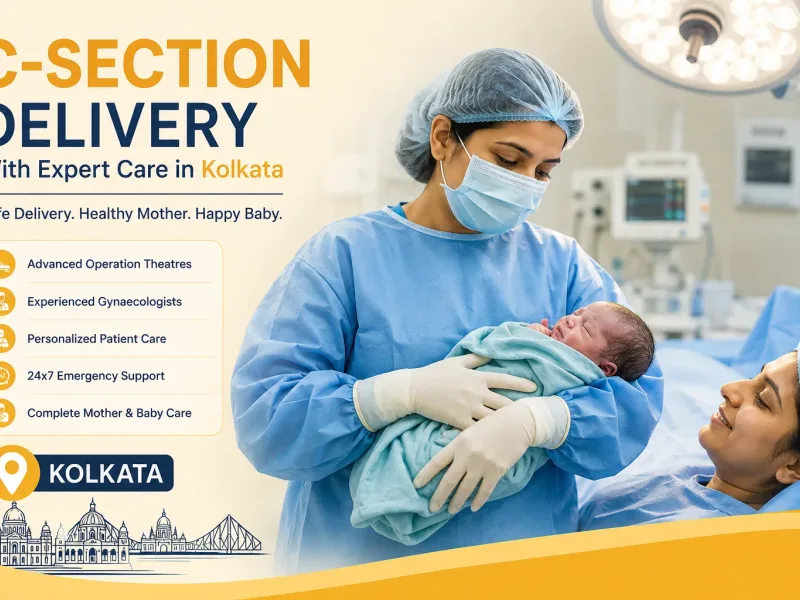
A cesarean section (C-section) is a surgical delivery in which a baby is born through an incision in the mother's abdomen and uterus. In Kolkata, several experienced obstetricians and well-equipped hospitals offer C-section services for planned and emergency deliveries. Understanding when a C-sectio
July 31, 2026
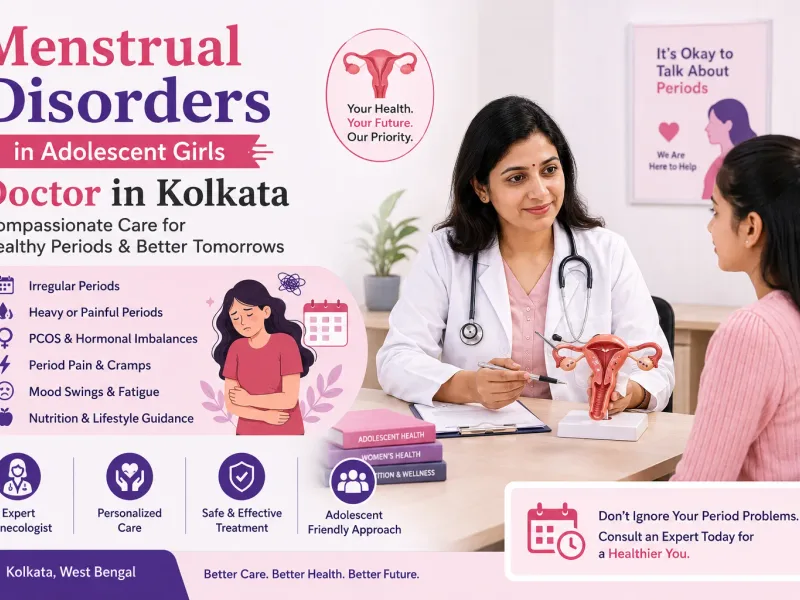
If you are searching for a Menstrual Disorders in Adolescent Girls Doctor in Kolkata, early evaluation by an experienced gynecologist can help identify the underlying cause of irregular or painful periods. While menstrual irregularities are common during the first few years after puberty, persistent
July 31, 2026
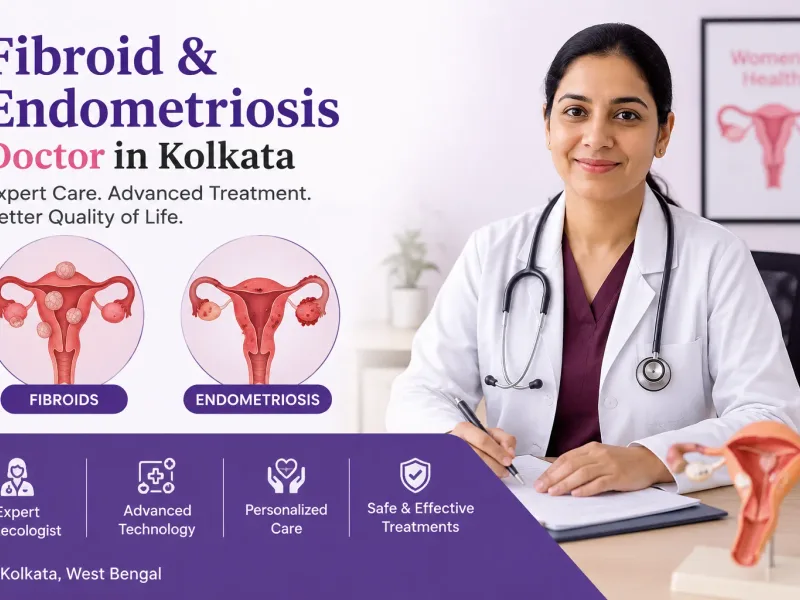
If you are searching for a Fibroid & Endometriosis doctor in Kolkata, choosing an experienced gynecologist with expertise in minimally invasive gynecological surgery is essential. Uterine fibroids and endometriosis are two common but different conditions that can cause pelvic pain, heavy menstrual b
July 31, 2026