

Emergency & Help
24/7 Emergency & General Advisory
🚨 24/7 Medical Emergency
Non-Emergency Advisory
10:00 AM – 6:00 PM, Mon–Sat
For appointments & general queries.
24/7 Emergency & General Advisory
🚨 24/7 Medical Emergency
Non-Emergency Advisory
10:00 AM – 6:00 PM, Mon–Sat
For appointments & general queries.
Discover how exercising on your period can help manage cramps and fatigue with practical tips and empathetic advice. Learn to choose the right activities and overcome mental barriers to feel better.

The mere thought of exercising when you're on your period can feel like a cruel joke. Cramps are tightening their grip, fatigue is setting in, and all you want to do is curl up with a heating pad and a box of chocolates. I get it. Believe me, I've been there. The last thing you might want to hear is someone suggesting you move your body. It can feel like an unwelcome imposition when your body is already signaling a need for rest. But what if I told you that a little bit of movement could actually make you feel… well, better?
It sounds counterintuitive, doesn't it? How can exerting yourself possibly help when you're already feeling run down and achy? This guide is designed to demystify the process of exercising during your period, offering practical, empathetic advice tailored for you. We'll explore why exercise can be beneficial, what kind of activities are best, and how to overcome the mental hurdles that often accompany menstrual discomfort.
Let me share a personal story. During a high school camping trip, I was hit with intense cramps. My first instinct was to stay put, convinced that any movement would worsen my pain and ruin the planned hike for everyone. I even tried to convince the adults to leave me behind. A well-meaning male counselor, Greg, approached me. Mortified, I explained my situation. His response? He suggested the hike itself would help. Initially, I was annoyed by his seemingly unsolicited advice, especially coming from someone who couldn't possibly understand what I was going through. However, to shut him up, I reluctantly agreed to try. After about a mile of grumbling and discomfort, something shifted. The pain began to subside, my mood lifted, and I started to appreciate the natural beauty around me. It was a grudging but powerful realization: exercise, even on my period, could be a surprisingly effective remedy.
So, what's the magic behind this seemingly contradictory advice? The answer lies in your brain's natural pharmacy: endorphins. These are chemicals your body releases, particularly during physical activity, that act as natural painkillers and mood boosters. Think of them as your body's own happy hormones and pain relievers.
When you exercise, your brain releases endorphins, which can increase levels of dopamine, another feel-good chemical. Specifically, a type of endorphin called beta-endorphins can be remarkably effective at pain relief, sometimes even more so than certain medications. So, that brisk walk or gentle yoga session isn't just about burning calories; it's about tapping into your body's innate capacity to manage pain and elevate your mood.
Beyond endorphins, exercise offers other significant benefits during your period:
These physiological responses explain why pushing yourself, even gently, can make a tangible difference in how you feel.
The key to exercising on your period is to listen to your body and choose activities that feel manageable and beneficial, rather than pushing yourself to your absolute limits. This is not the time to attempt a new, high-intensity workout like CrossFit if you haven't done it before. Instead, focus on activities you're already familiar with and enjoy.
Consider these gentle yet effective options:
What to Avoid: Steer clear of extremely strenuous activities, heavy weightlifting, or high-impact exercises that could exacerbate discomfort or fatigue. If an activity feels like a struggle, it's okay to dial it back or stop.
The biggest hurdle for many of us isn't physical pain, but the mental resistance. The desire to stay put is strong. So, how do you push past that initial reluctance?
Commit to just five minutes of activity. Put on your workout clothes, step outside for a short walk, or do a few gentle stretches. If after five minutes you still feel awful and want to stop, give yourself permission to do so. Often, the hardest part is simply starting, and you might find that once you begin, you feel motivated to continue.
Most people do not notice early warning signs right away. That is common. A simple symptom diary, basic routine checks, and timely follow-up visits can prevent small problems from becoming serious.
If you are already on treatment, stay consistent with medicines and lifestyle advice. If your symptoms change, do not guess. Check with a qualified doctor and update your plan early.
Write down symptoms, triggers, and timing for a few days.
Carry old prescriptions and test reports to your consultation.
Ask clearly about side effects, red-flag signs, and follow-up dates.
Seek urgent care for severe pain, breathing trouble, bleeding, fainting, or sudden worsening.
Visit Hospital
Near You

A cesarean section (C-section) is a surgical delivery in which a baby is born through an incision in the mother's abdomen and uterus. In Kolkata, several experienced obstetricians and well-equipped hospitals offer C-section services for planned and emergency deliveries. Understanding when a C-sectio
July 31, 2026
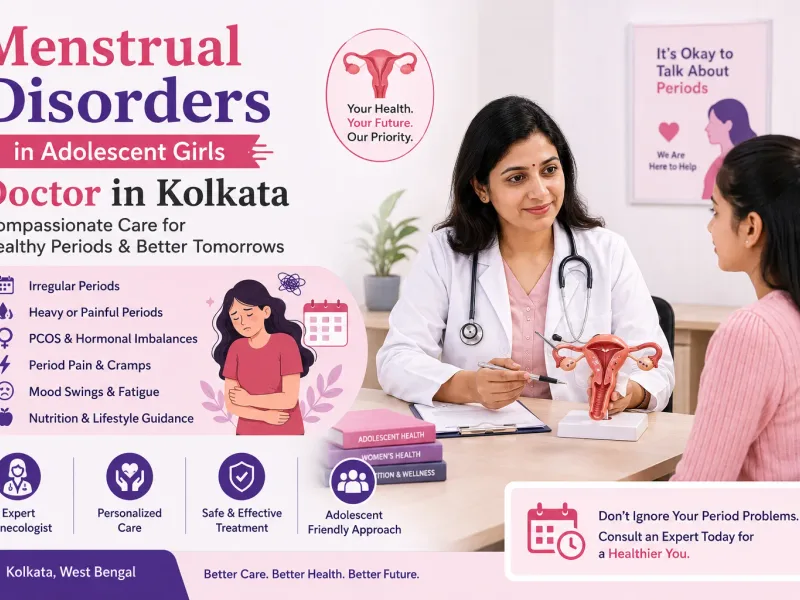
If you are searching for a Menstrual Disorders in Adolescent Girls Doctor in Kolkata, early evaluation by an experienced gynecologist can help identify the underlying cause of irregular or painful periods. While menstrual irregularities are common during the first few years after puberty, persistent
July 31, 2026
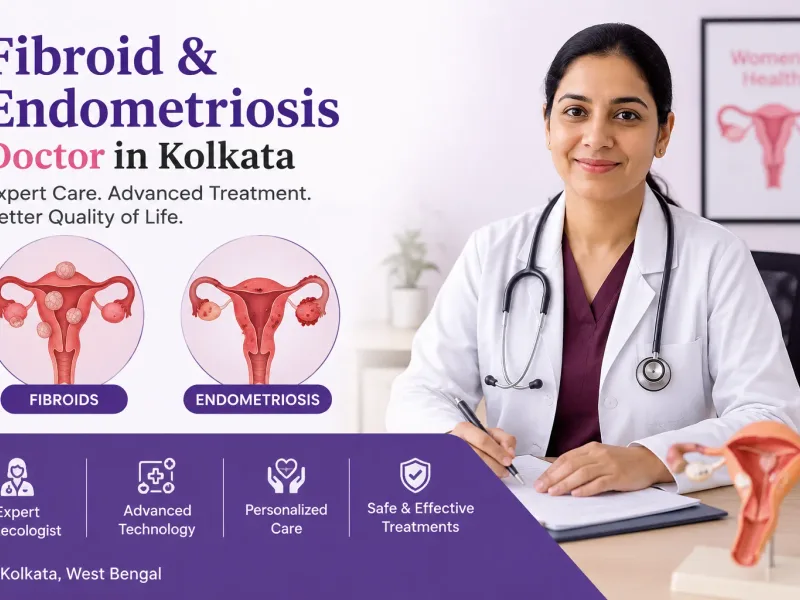
If you are searching for a Fibroid & Endometriosis doctor in Kolkata, choosing an experienced gynecologist with expertise in minimally invasive gynecological surgery is essential. Uterine fibroids and endometriosis are two common but different conditions that can cause pelvic pain, heavy menstrual b
July 31, 2026