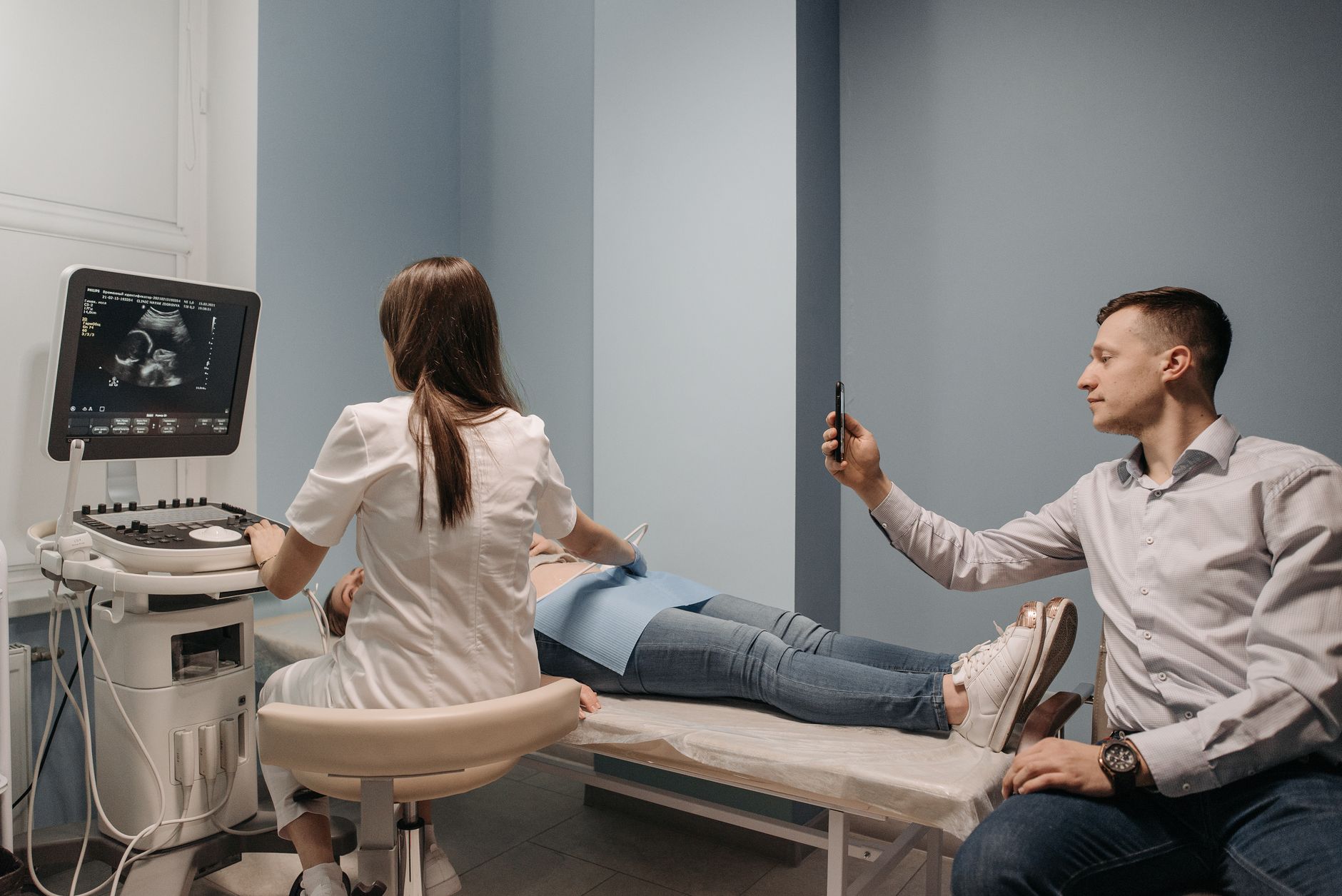
It's a question many women ponder, often in the quiet moments before a routine gynaecological appointment: "Can I have sex before my Pap smear?" This might seem like a small detail in the grand scheme of your health, but when it comes to screening tests like the Pap smear, preparation can indeed play a role in ensuring the most accurate results. Let's break down why this question arises and what the experts recommend, all in a way that’s easy to understand.
What Exactly is a Pap Smear?
First off, let's clarify what a Pap smear, or Pap test, actually is. It's a vital screening tool designed to detect precancerous or cancerous cells on your cervix. Think of your cervix as the gateway between your uterus and your vagina. This test involves gently collecting cells from this area. These cells are then sent to a laboratory for examination. It’s important to remember that a Pap smear is specifically for cervical cancer screening and doesn't check for other gynaecological cancers like ovarian cancer. It's a routine procedure, usually done during a regular doctor's visit, and while some women might feel a slight discomfort, it's generally not painful and is over quite quickly.
Why the Concern About Sex Before a Pap Smear?
The cervix, being a sensitive area, and the Pap smear process itself being about examining cells, means that certain activities can potentially interfere with the results. Sexual activity, by its nature, can involve friction and introduce various substances (like semen or vaginal secretions) into the vaginal and cervical area. This can lead to:
- Inflammation: The gentle tissues of the cervix and vagina can become irritated or inflamed due to sexual activity.
- Discharge: Sexual activity can increase vaginal discharge or introduce semen, which might obscure the cervical cells collected.
- Cellular Changes: In some cases, the physical act can cause minor trauma or irritation to the cervical cells themselves.
These changes, even if temporary and harmless, can mimic the appearance of abnormal cells under a microscope. This is why doctors often advise caution.
The General Recommendation: Abstinence Period
So, what's the magic number? While opinions might vary slightly among healthcare providers, the widely accepted consensus is to avoid sexual intercourse for at least 24 to 48 hours before your Pap smear appointment. Why this timeframe?
- Allows Inflammation to Settle: This period gives any potential inflammation caused by sexual activity time to calm down.
- Clears Discharge: It allows for any discharge or residual semen to naturally clear from the vaginal and cervical areas.
Think of it as giving your cervix a clean slate for the test. This simple step helps ensure that the cells collected are truly representative of your cervical health, without any temporary interference.
What About Other Sexual Activities?
The recommendation isn't just limited to intercourse. To be on the safe side, it's generally advised to avoid:
- Oral sex: This can also cause irritation or introduce substances.
- Masturbation (penetrative): Even this can potentially cause irritation to the cervix or vaginal tissues.
The goal is to minimize any activity that could potentially affect the cells or the environment of the cervix just before the test.
What About Douching, Vaginal Medications, or Lubricants?
Just like sexual activity, other practices can also interfere with your Pap smear results. It's generally recommended to avoid the following for 2 to 3 days before your appointment:
- Douching: Douching washes away natural vaginal secretions and can flush out any abnormal cells, leading to inaccurate results.
- Vaginal medications: This includes creams, suppositories, or foams used to treat infections or other conditions.
- Vaginal spermicides or lubricants: These can coat the cells and potentially interfere with the Pap smear analysis.
It’s always best to discuss any medications or treatments you are using with your doctor well in advance of your appointment.
What If I Had Sex Before My Pap Smear?
Life happens! If you happened to have sex shortly before your Pap smear and you remember only after the fact, don't panic. The most important thing is to inform your doctor before the procedure begins. Honesty is key here. Your doctor can then interpret the results in context. They might:
- Proceed with the test: If your previous Pap smears were normal and there are no specific concerns about your cervix, your doctor may decide to proceed with the test as usual. The information you provide will help them evaluate any potential abnormalities.
- Reschedule the appointment: If there are concerns or if the risk of inaccurate results is high, your doctor might suggest rescheduling your Pap smear for a later date, after the recommended abstinence period.
- Plan for a follow-up: In some cases, they might perform the test but recommend a follow-up Pap smear after a certain period to ensure accuracy.
Your doctor's priority is to get the most reliable information about your cervical health, and they will guide you on the best course of action.
Can You Have a Pap Smear During Your Period?
This is another common question. While historically, it was strongly advised to avoid Pap smears during menstruation, modern laboratory techniques have made it possible to perform the test even when you have your period. However, significant amounts of blood can still potentially obscure the cells and affect the accuracy of the sample. Therefore, if you have your period on the day of your appointment, it's best to call your doctor's office beforehand. They will advise you whether to proceed or reschedule. It's always better to err on the side of caution.
Preparing for Your Pap Smear: Simple Steps
Beyond the recommendation about sexual activity, preparing for a Pap smear is generally straightforward. Here are a few tips:
- Inform your doctor: Always let your doctor know about any medications (prescription or over-the-counter), supplements, or herbal remedies you are taking.
- Pregnancy: If you are pregnant or suspect you might be, inform your doctor.
- Schedule wisely: If possible, schedule your appointment for a time when you are not expecting your period.
- Ask questions: Don't hesitate to ask your doctor any questions you may have about the procedure or preparation.
When to Consult Your Doctor
While this information aims to clarify preparation for a Pap smear, remember that your gynaecologist is your best resource. You should always consult them if you have:
- Specific concerns: If you have any particular worries about your sexual health or the Pap smear procedure.
- Unusual symptoms: Any persistent vaginal discharge, itching, pain during intercourse, or irregular bleeding should be discussed with your doctor immediately, regardless of your Pap smear schedule.
- Questions about preparation: If you are unsure about any aspect of preparing for your Pap smear.
Your health is paramount, and open communication with your healthcare provider ensures you receive the best possible care.
Frequently Asked Questions (FAQ)
Q1: How long after sex can I have a Pap smear?
It's recommended to wait at least 24 to 48 hours after intercourse before undergoing a Pap smear. This allows any potential inflammation or discharge to subside.
Q2: Can protected sex affect my Pap smear results?
Yes, even protected sex using condoms can potentially cause irritation or inflammation to the cervix, which might affect the results. It's best to avoid all forms of sexual activity for the recommended period.
Q3: What if my doctor doesn't mention avoiding sex before a Pap smear?
While it's a common recommendation, not all doctors explicitly mention it. If you are unsure, it is always best to ask your healthcare provider about their specific recommendations for Pap smear preparation. You can also follow the general guideline of abstaining from sex for 24-48 hours beforehand.
Q4: Does ejaculate affect Pap smear results?
Yes, semen can interfere with the collection and analysis of cervical cells, potentially leading to inaccurate results. This is why avoiding intercourse is advised.
Q5: Can I use tampons before a Pap smear?
It's generally recommended to avoid using tampons for 24-48 hours before a Pap smear, similar to avoiding sex. Tampons can potentially absorb discharge or irritate the vaginal lining, affecting the sample.