

Emergency & Help
24/7 Emergency & General Advisory
🚨 24/7 Medical Emergency
Non-Emergency Advisory
10:00 AM – 6:00 PM, Mon–Sat
For appointments & general queries.
24/7 Emergency & General Advisory
🚨 24/7 Medical Emergency
Non-Emergency Advisory
10:00 AM – 6:00 PM, Mon–Sat
For appointments & general queries.
Heart disease is the leading cause of death for women. Learn about the unique risks, subtle symptoms, and vital preventive measures women in India should know to protect their heart health.

Heart disease is a serious health concern, and it's a common misconception that it primarily affects men. The reality is that heart disease is the leading cause of death for women, impacting millions globally. Understanding the unique risks, symptoms, and preventive measures is vital for women to protect their heart health. This guide aims to provide clear, practical information for Indian women to recognize and manage heart disease effectively.
Heart disease, also known as cardiovascular disease, is an umbrella term for a group of conditions that affect the heart and blood vessels. These conditions can develop over time or be present from birth (congenital heart disease). Some common types include:
While heart disease affects both genders, it presents unique challenges for women. It is the leading cause of death for women, accounting for approximately 1 in 4 deaths each year in many developed nations. The risk of heart disease increases significantly with age. Furthermore, women often experience heart attacks differently than men, which can lead to delays in seeking medical attention and potentially worse outcomes.
Consider this scenario: Mrs. Sharma, a 55-year-old homemaker, often feels a nagging discomfort in her upper back and a strange sense of fatigue. She dismisses it as stress from managing her household and caring for her elderly parents. She’s unaware that these could be subtle signs of heart issues, as they don’t fit the typical “Hollywood heart attack” image she’s seen in movies.
One of the most concerning aspects of heart disease in women is that symptoms can be subtle or absent until a serious event occurs. However, paying attention to your body is key. Early symptoms, which may occur even at rest, can include:
Heart attacks are often thought of as sudden, severe chest pain. However, women are more likely to experience less typical symptoms, and these can develop more gradually. It's crucial to be aware of these differences:
What to do if you suspect a heart attack: If you or someone you know experiences these symptoms, don't delay. Call 108 (or your local emergency number) immediately. Every minute counts.
As heart disease progresses, other symptoms may emerge, varying based on the specific condition:
Several factors can increase a woman's risk of developing heart disease:
Most people do not notice early warning signs right away. That is common. A simple symptom diary, basic routine checks, and timely follow-up visits can prevent small problems from becoming serious.
If you are already on treatment, stay consistent with medicines and lifestyle advice. If your symptoms change, do not guess. Check with a qualified doctor and update your plan early.
Write down symptoms, triggers, and timing for a few days.
Carry old prescriptions and test reports to your consultation.
Ask clearly about side effects, red-flag signs, and follow-up dates.
Seek urgent care for severe pain, breathing trouble, bleeding, fainting, or sudden worsening.
Visit Hospital
Near You
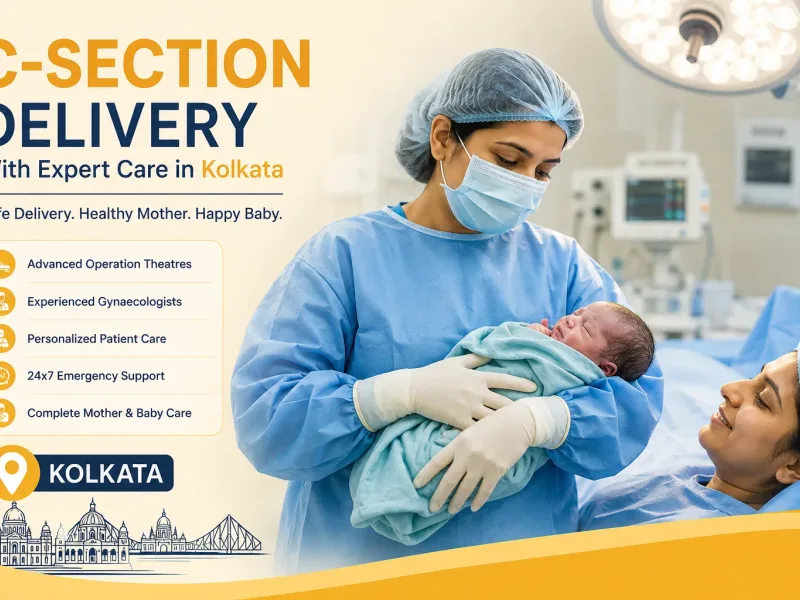
A cesarean section (C-section) is a surgical delivery in which a baby is born through an incision in the mother's abdomen and uterus. In Kolkata, several experienced obstetricians and well-equipped hospitals offer C-section services for planned and emergency deliveries. Understanding when a C-sectio
July 31, 2026
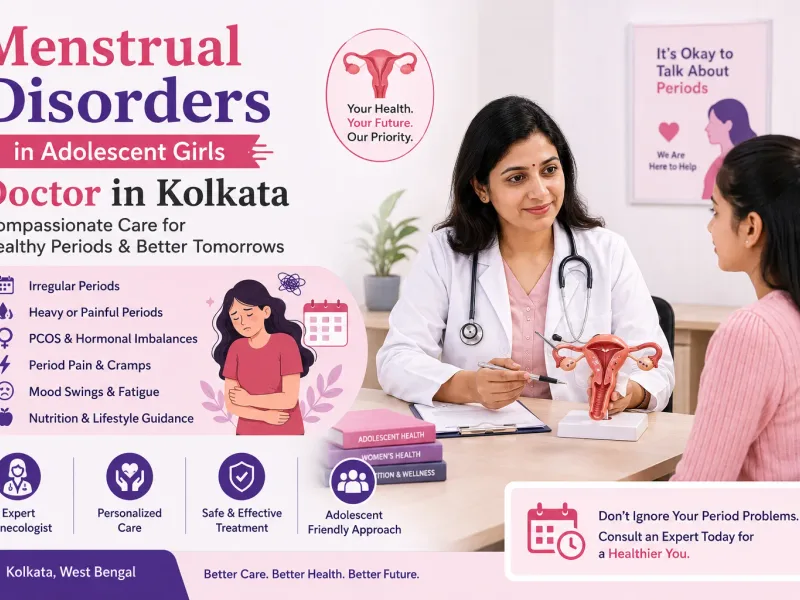
If you are searching for a Menstrual Disorders in Adolescent Girls Doctor in Kolkata, early evaluation by an experienced gynecologist can help identify the underlying cause of irregular or painful periods. While menstrual irregularities are common during the first few years after puberty, persistent
July 31, 2026
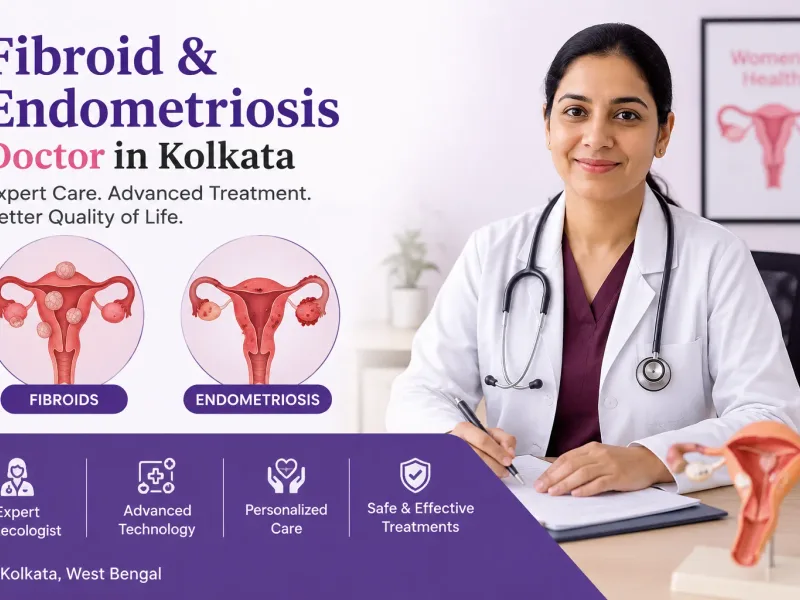
If you are searching for a Fibroid & Endometriosis doctor in Kolkata, choosing an experienced gynecologist with expertise in minimally invasive gynecological surgery is essential. Uterine fibroids and endometriosis are two common but different conditions that can cause pelvic pain, heavy menstrual b
July 31, 2026