

Emergency & Help
24/7 Emergency & General Advisory
🚨 24/7 Medical Emergency
Non-Emergency Advisory
10:00 AM – 6:00 PM, Mon–Sat
For appointments & general queries.
24/7 Emergency & General Advisory
🚨 24/7 Medical Emergency
Non-Emergency Advisory
10:00 AM – 6:00 PM, Mon–Sat
For appointments & general queries.
Discover effective home remedies for mastitis. Learn about symptoms, causes, and when to seek medical advice to manage this common breastfeeding challenge.
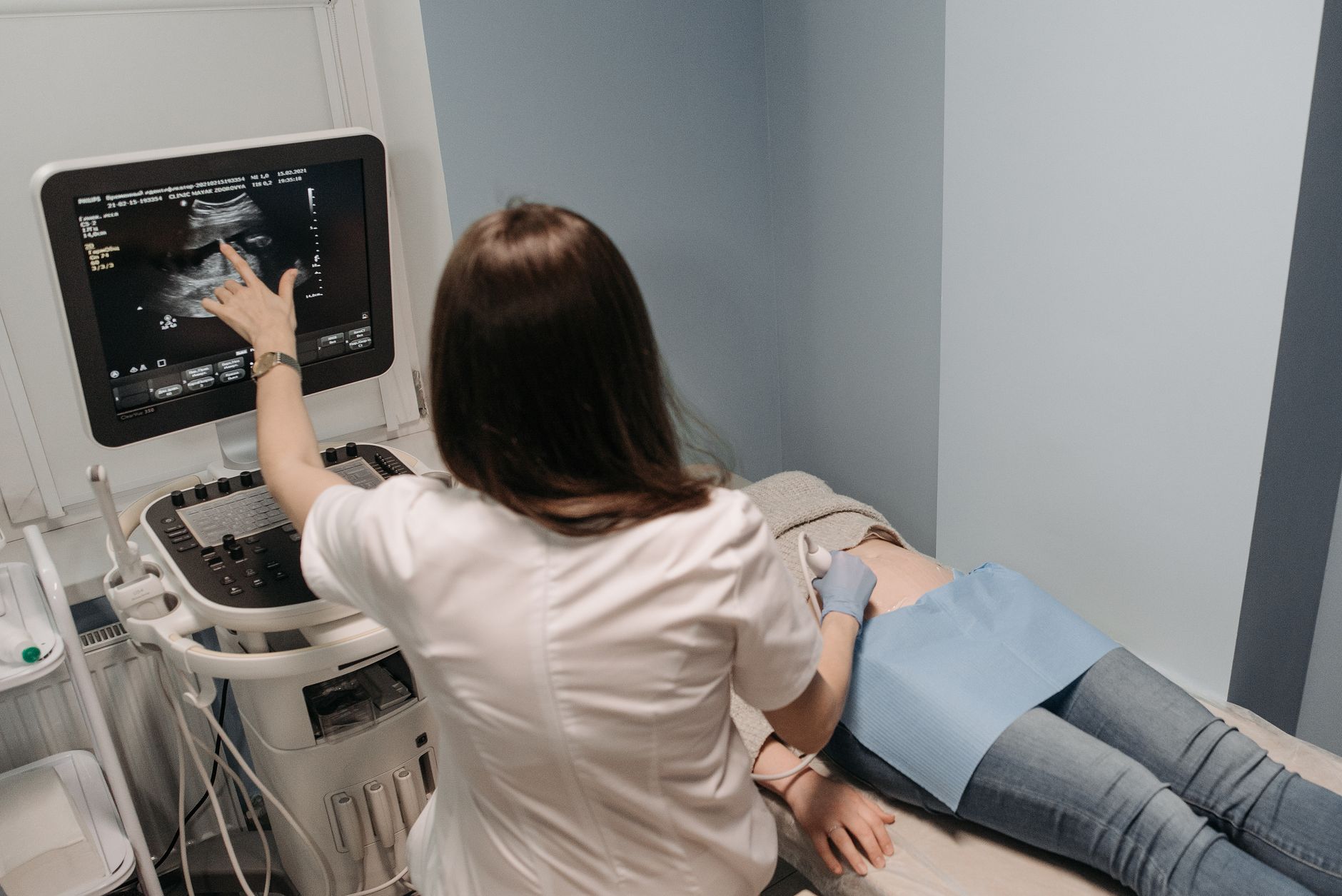
Becoming a new mother is a journey filled with immense joy and, let's be honest, a fair amount of exhaustion. Sleepless nights and constant demands are part of the package. But what if that persistent ache, warmth, and flu-like feeling isn't just typical new-mom fatigue? It could be mastitis, a common condition affecting breastfeeding mothers. Mastitis is an inflammation of the breast tissue that, if left untreated, can unfortunately lead to a bacterial infection. The good news? You don't necessarily have to stop breastfeeding, and there are several effective home remedies that can help you find relief and support your healing process. This guide will walk you through what mastitis is, its causes, symptoms, and how you can manage it comfortably at home, while also highlighting when it's time to call in the professionals.
Mastitis is essentially an inflammation of the breast tissue. While it can occur in any woman, it's most prevalent among those who are breastfeeding, a condition then referred to as lactation mastitis. It often affects just one breast, though it can sometimes impact both. The primary culprit is usually milk that becomes trapped or blocked in a section of the breast, leading to a buildup that can then become infected. This can happen if your breasts are persistently engorged, meaning they are overly full of milk. Another common entry point for bacteria is through small cracks or irritation on your nipples. Think of it as a small opening that allows bacteria to enter the breast tissue.
Several factors can increase your risk of developing mastitis. If you've had it before, you might be more susceptible. Cracked nipples, wearing a bra that's too tight (which can restrict milk flow), or if your baby has difficulty latching properly during breastfeeding are all significant risk factors. Poor nutrition and smoking can also play a role in making you more vulnerable to this condition.
Recognizing mastitis early is key to managing it effectively. The symptoms can sometimes appear quite suddenly, so it's important to be aware of what to look for:
It's important to remember that these symptoms can develop quickly. If you're feeling unwell and experiencing any of these signs, don't dismiss them as just normal new-parent tiredness.
When you first notice the signs of mastitis, several home-based strategies can offer significant relief and help your body fight off the inflammation. Remember, consistency is important, and these remedies work best when combined with frequent nursing.
This is your first line of defense! The most effective way to clear a blocked milk duct and prevent mastitis from worsening is to ensure the affected breast is emptied regularly. Continue to nurse your baby from the affected breast as often as possible, ideally every 2 hours during the day. Even if it's painful, try to offer the breast. If your baby isn't latching well, consider trying different breastfeeding positions to encourage a better latch. Expressing milk manually or with a pump after feeding can also help ensure the breast is fully drained.
Applying warmth to the affected breast can help improve milk flow and ease discomfort. Before breastfeeding or pumping, gently massage the breast while applying a warm compress. You can use a warm washcloth or a heating pad set on low. The warmth helps to soften the breast tissue and can make it easier for milk to move through the ducts.
This might sound unusual, but chilled cabbage leaves are a surprisingly effective remedy. They can help reduce swelling and inflammation, and some mothers find they help alleviate pain. Wash and chill a few clean cabbage leaves in the refrigerator. Once cold, gently peel back the tough central vein of the leaf and place them around your nipple, covering the inflamed area. Leave them on for about 20 minutes, or until they feel warm. Remove them and repeat up to three times a day. Important note: Cabbage leaves can also help reduce milk supply, so if you wish to continue breastfeeding, stick to the recommended time and frequency to avoid drying up your milk.
As you breastfeed or pump, gently massage the affected area of your breast. Start from the outside of the breast and work towards the nipple. This helps to break up any hardened lumps or blockages in the milk ducts. Combine this with warm compresses for added benefit.
Proper hydration is vital for overall health, and it's especially important when breastfeeding and dealing with mastitis. Aim to drink plenty of fluids throughout the day – experts recommend around 16 cups (about 4 liters) daily for nursing mothers. Water is best, but you can also include milk, juice, and herbal teas. Staying well-hydrated helps maintain milk production and supports your body's healing processes.
Your body is working hard to heal. While it's challenging with a new baby, try to rest as much as you possibly can. Lie down, delegate tasks to your partner or family members, and allow yourself to recover. Rest helps your immune system function effectively, which is crucial for fighting off infection and inflammation.
Some research suggests that certain essential oils may have properties that can help with mastitis. For example, tea tree oil contains compounds with antibacterial and anti-inflammatory effects. If you choose to use essential oils, it is absolutely critical to dilute them with a carrier oil, such as olive oil or almond oil, before applying them topically to your skin. Always perform a patch test first to ensure you don't have an adverse reaction. Consult with a healthcare professional or a certified aromatherapist before using essential oils, especially while breastfeeding.
While home remedies are excellent for initial management, it's crucial to know when to escalate your care. If your symptoms don't improve within 24 to 48 hours of trying home remedies, or if they worsen, you must contact your doctor or a lactation consultant. You might need a prescription for antibiotics to effectively clear a bacterial infection. The good news is that many breastfeeding-safe antibiotics are available, allowing you to continue nursing your baby while you recover.
Seek immediate medical attention if you experience any of the following:
Sarah, a new mom, noticed her left breast felt unusually warm and tender. She also felt a dull ache and a general tiredness that seemed more than just lack of sleep. Remembering her friend's advice, she immediately tried warm compresses before nursing, followed by gentle massage. She also cooled some cabbage leaves and applied them after feeding. By the next morning, the warmth had subsided, and the pain was much less intense. She continued with the remedies and felt almost back to normal within 48 hours, relieved she could continue breastfeeding her little one without needing medication.
Yes, in most cases, you can and should continue breastfeeding from the affected breast. Frequent emptying of the breast is essential for recovery. Your baby's sucking can help clear blocked ducts. If you are prescribed antibiotics, your doctor will ensure they are safe for breastfeeding.
With prompt home care and, if necessary, antibiotics, mastitis symptoms often start to improve within 24 to 48 hours. If symptoms persist or worsen beyond this timeframe, it's essential to consult a doctor.
Key risk factors include previous mastitis, cracked or damaged nipples, incomplete breast emptying, a poor latch by the baby, wearing tight bras or clothing, and generally poor maternal nutrition or health.
If left untreated, mastitis can progress into a more severe infection, such as a breast abscess, which might require surgical drainage. It can also lead to decreased milk supply in the long term. This is why prompt attention to symptoms and seeking medical advice when needed is so important.
Visit Hospital
Near You
A cesarean section (C-section) is a surgical delivery in which a baby is born through an incision in the mother's abdomen and uterus. In Kolkata, several experienced obstetricians and well-equipped hospitals offer C-section services for planned and emergency deliveries. Understanding when a C-sectio
July 31, 2026
If you are searching for a Menstrual Disorders in Adolescent Girls Doctor in Kolkata, early evaluation by an experienced gynecologist can help identify the underlying cause of irregular or painful periods. While menstrual irregularities are common during the first few years after puberty, persistent
July 31, 2026
If you are searching for a Fibroid & Endometriosis doctor in Kolkata, choosing an experienced gynecologist with expertise in minimally invasive gynecological surgery is essential. Uterine fibroids and endometriosis are two common but different conditions that can cause pelvic pain, heavy menstrual b
July 31, 2026