

Emergency & Help
24/7 Emergency & General Advisory
🚨 24/7 Medical Emergency
Non-Emergency Advisory
10:00 AM – 6:00 PM, Mon–Sat
For appointments & general queries.
24/7 Emergency & General Advisory
🚨 24/7 Medical Emergency
Non-Emergency Advisory
10:00 AM – 6:00 PM, Mon–Sat
For appointments & general queries.
Understand tampon safety guidelines: never leave a tampon in for more than 8 hours to prevent infections like TSS. Learn about symptoms, risks, and best practices for safe tampon use.
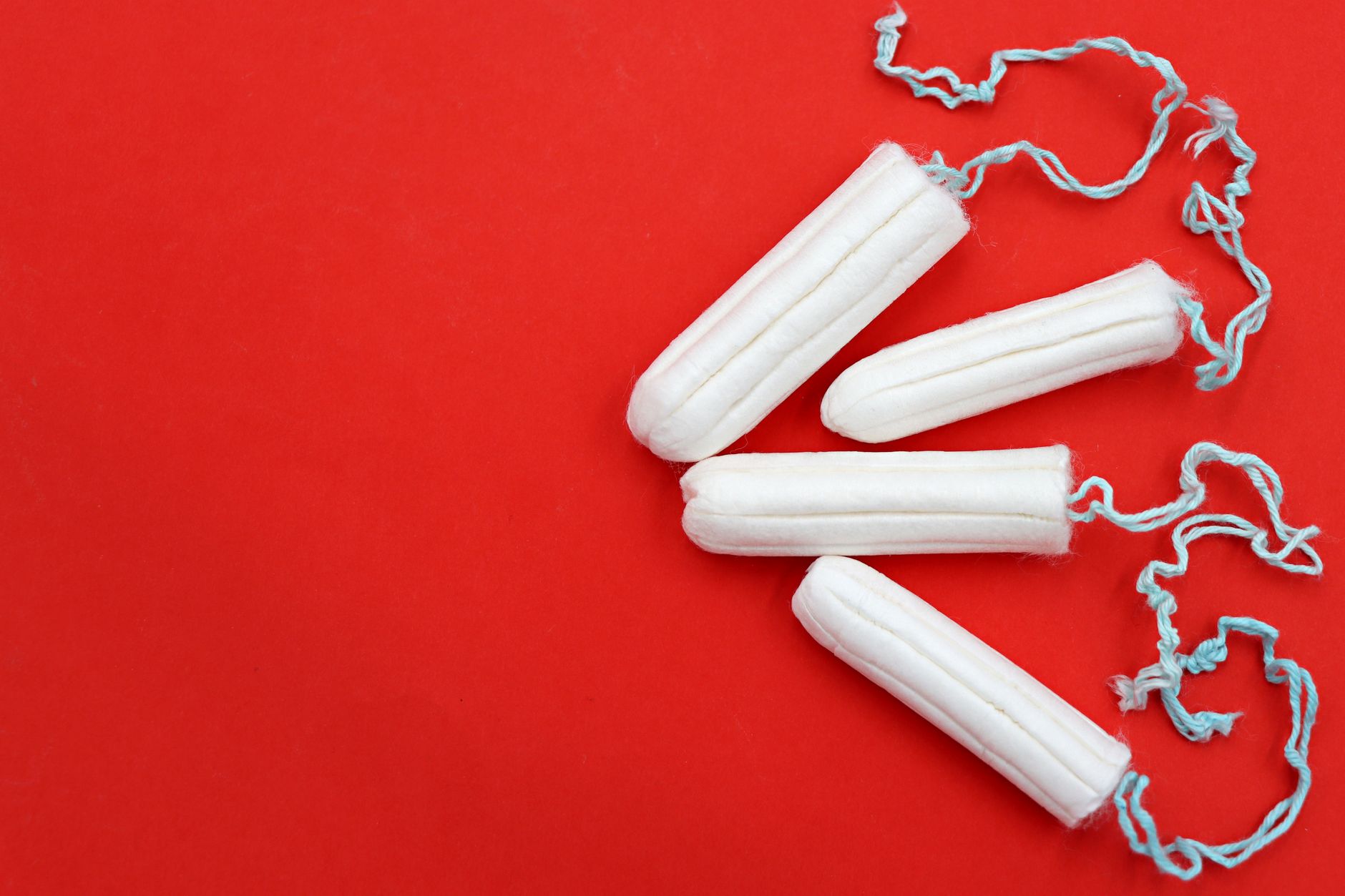
The general consensus among health experts and organizations like the Food and Drug Administration (FDA) is clear: you should never leave a tampon in for longer than 8 hours. This recommendation isn't arbitrary; it's designed to minimize your risk of developing infections, including the rare but serious Toxic Shock Syndrome (TSS). Most experts lean towards a more conservative timeframe, suggesting changing your tampon every 4 to 6 hours for optimal safety.
Why this specific timeframe? Bacteria naturally live in the vagina. When a tampon is in place for an extended period, it can become a breeding ground for these bacteria. As the tampon absorbs menstrual fluid, it also provides a moist environment where bacteria can multiply and potentially produce toxins. If these toxins enter your bloodstream through the vaginal lining or uterus, they can lead to serious health issues.
Toxic Shock Syndrome (TSS) is a rare but potentially life-threatening condition caused by certain types of bacteria, most commonly Staphylococcus aureus. While it can affect anyone, it gained notoriety due to its association with tampon use. The bacteria produce toxins that can trigger a sudden and severe illness.
The good news is that tampon-related TSS cases have significantly decreased in recent years. This improvement is largely attributed to better product standardization, including the Centers for Disease Control and Prevention's (CDC) standardized absorbency labeling. This makes it easier for users to choose the right absorbency for their flow, reducing the risk of prolonged use.
Recognizing the symptoms of TSS is vital, even though it's rare. Prompt medical attention is crucial if you suspect you might have TSS. Symptoms can appear suddenly and include:
If you experience these symptoms while using a tampon, remove it immediately and seek emergency medical care.
While TSS is the most discussed risk, leaving a tampon in for too long can lead to other issues. These are generally less severe but still warrant attention:
Tampons are designed to absorb menstrual fluid. When left in for extended periods, especially if your flow is light, they can absorb natural vaginal moisture, leading to dryness, discomfort, and irritation. This can make insertion and removal more difficult and painful.
Prolonged tampon use can disrupt the natural balance of bacteria in the vagina, potentially leading to Bacterial Vaginosis (BV). BV is a common vaginal infection characterized by an overgrowth of harmful bacteria. Symptoms include:
Most people do not notice early warning signs right away. That is common. A simple symptom diary, basic routine checks, and timely follow-up visits can prevent small problems from becoming serious.
If you are already on treatment, stay consistent with medicines and lifestyle advice. If your symptoms change, do not guess. Check with a qualified doctor and update your plan early.
Write down symptoms, triggers, and timing for a few days.
Carry old prescriptions and test reports to your consultation.
Ask clearly about side effects, red-flag signs, and follow-up dates.
Seek urgent care for severe pain, breathing trouble, bleeding, fainting, or sudden worsening.
Visit Hospital
Near You

A cesarean section (C-section) is a surgical delivery in which a baby is born through an incision in the mother's abdomen and uterus. In Kolkata, several experienced obstetricians and well-equipped hospitals offer C-section services for planned and emergency deliveries. Understanding when a C-sectio
July 31, 2026
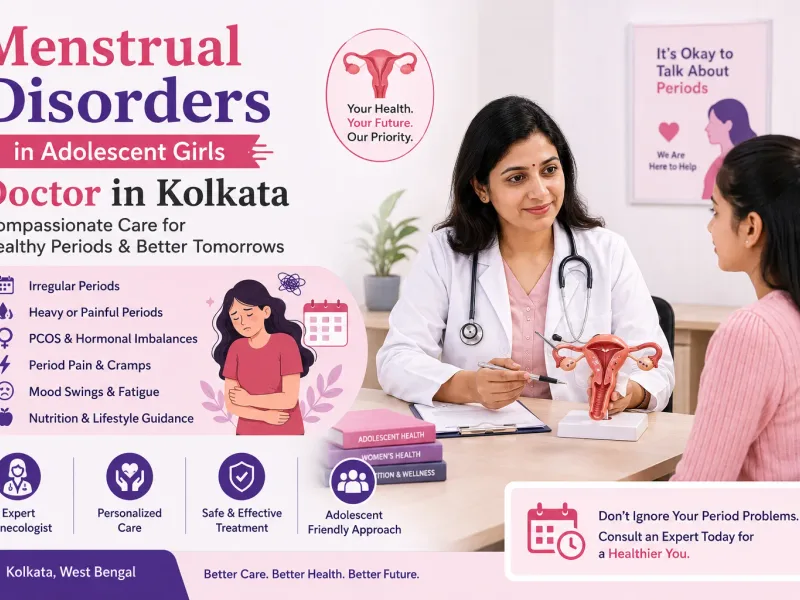
If you are searching for a Menstrual Disorders in Adolescent Girls Doctor in Kolkata, early evaluation by an experienced gynecologist can help identify the underlying cause of irregular or painful periods. While menstrual irregularities are common during the first few years after puberty, persistent
July 31, 2026
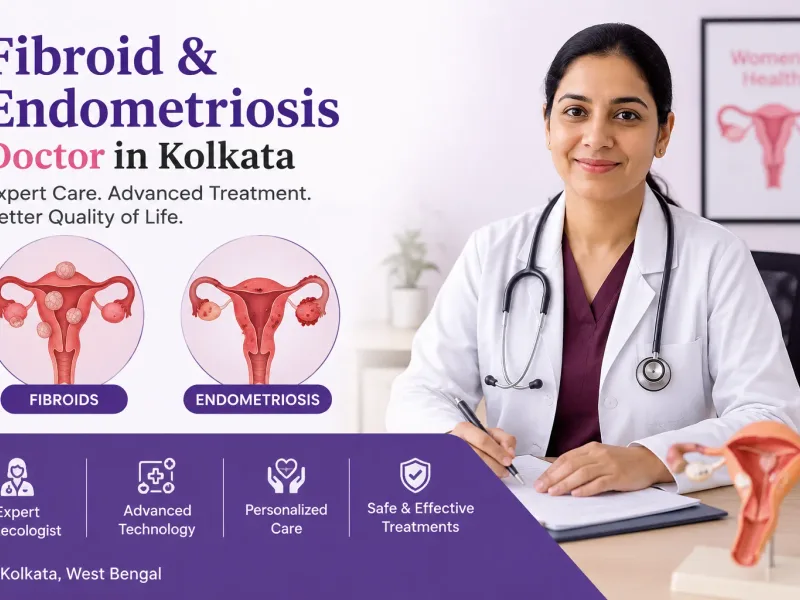
If you are searching for a Fibroid & Endometriosis doctor in Kolkata, choosing an experienced gynecologist with expertise in minimally invasive gynecological surgery is essential. Uterine fibroids and endometriosis are two common but different conditions that can cause pelvic pain, heavy menstrual b
July 31, 2026