

Emergency & Help
24/7 Emergency & General Advisory
🚨 24/7 Medical Emergency
Non-Emergency Advisory
10:00 AM – 6:00 PM, Mon–Sat
For appointments & general queries.
24/7 Emergency & General Advisory
🚨 24/7 Medical Emergency
Non-Emergency Advisory
10:00 AM – 6:00 PM, Mon–Sat
For appointments & general queries.
Explore the genetic factors contributing to infertility in women and men. Learn about conditions like PCOS, endometriosis, Turner syndrome, Klinefelter syndrome, and how they are diagnosed and treated.

Infertility, the inability to conceive after a year of trying (or six months if over 35), affects millions worldwide. While many factors contribute to fertility challenges, including lifestyle, age, and underlying health conditions, the role of genetics is significant and often overlooked. This article delves into how genetic factors can influence fertility in both women and men, exploring specific genetic conditions, diagnostic methods, and potential treatments. Understanding these links can empower individuals and couples to seek appropriate medical advice and explore their options.
Infertility is defined as the inability to achieve pregnancy after one year of regular, unprotected intercourse. For women aged 35 and older, this timeframe is reduced to six months due to age-related fertility decline. It's a complex issue that affects approximately 15% of couples of reproductive age globally, according to the World Health Organization (WHO). Infertility can stem from a variety of causes, affecting either partner or both, and can be influenced by a combination of environmental, lifestyle, and genetic factors.
Genetics plays a crucial role in fertility. Our genes, inherited from our parents, determine many aspects of our reproductive health, including the development and function of reproductive organs, hormone production, and the quality of eggs and sperm. When there are alterations or mutations in these genes, it can lead to various fertility issues. These genetic factors can be inherited directly from parents or can arise spontaneously.
Several genetic conditions can impact a woman's ability to conceive:
PCOS is a common hormonal disorder that affects women of reproductive age. It is characterized by irregular menstrual cycles, excess androgen levels, and polycystic ovaries. While the exact cause of PCOS is unknown, it is believed to have a strong genetic component, often running in families. If a close female relative has PCOS, the risk of developing it increases. PCOS can lead to ovulation problems, making conception difficult.
Endometriosis occurs when the tissue that normally lines the uterus grows outside the uterus. This can cause inflammation, scarring, and pain, significantly impacting fertility. Like PCOS, endometriosis is thought to have a genetic predisposition, meaning it can be inherited. Family history of endometriosis is a risk factor for developing the condition.
These are specific genetic conditions that can lead to primary ovarian insufficiency (POI). POI is the loss of normal ovarian function before age 40. In the fragile X premutation, a change in the FMR1 gene on the X chromosome affects ovarian function. Turner syndrome, a chromosomal disorder where a female is missing all or part of an X chromosome, can also result in POI and infertility.
A significant percentage of early miscarriages are linked to chromosomal abnormalities in the fetus. These can include having an extra chromosome (trisomy) or missing a chromosome. While some trisomies, like Down syndrome (Trisomy 21), can result in a live birth, others are incompatible with life. Duplications or deletions of smaller gene segments can also contribute to infertility or pregnancy loss.
Men can also experience infertility due to genetic factors:
This is a genetic condition in males where they are born with an extra X chromosome (XXY). Klinefelter syndrome can lead to underdeveloped testes, reduced testosterone production, and significantly impaired sperm production, often resulting in infertility.
The Y chromosome contains genes essential for male fertility. Microdeletions, or small missing pieces, on the Y chromosome can disrupt sperm production, leading to low sperm count or absence of sperm (azoospermia).
Similar to females, chromosomal abnormalities and gene mutations can affect sperm count, motility, and morphology, contributing to male infertility.
Diagnosing genetic causes of infertility involves a comprehensive approach:
Doctors will review your medical history, including family history of infertility, hormonal disorders, or genetic conditions. A physical examination can help identify physical signs associated with certain genetic syndromes.
Blood tests can measure levels of reproductive hormones, which can indicate underlying issues like POI or hormonal imbalances associated with PCOS.
This is a blood test that analyzes your chromosomes to identify any structural abnormalities, such as missing or extra chromosomes, or translocations.
Specific genetic tests can detect mutations in genes known to cause infertility, such as FMR1 gene testing for fragile X premutation or testing for Y-chromosome microdeletions.
For men, a semen analysis evaluates sperm count, motility, and morphology. Abnormal results may prompt further genetic investigation.
Treatment depends on the specific genetic cause:
If you have been trying to conceive for a year (or six months if you are 35 or older) without success, it is advisable to consult a doctor or a fertility specialist. If you have a known family history of infertility, PCOS, endometriosis, or other genetic conditions, seeking medical advice earlier is recommended.
While genetic causes of infertility cannot be prevented, understanding your genetic predispositions through family history and genetic counseling can help in early detection and management. Advances in genetic testing and ART offer hope and effective solutions for many couples facing fertility challenges.
Lifestyle changes can improve overall reproductive health and may help manage certain contributing factors to infertility, but they generally cannot overcome purely genetic causes. However, a healthy lifestyle is always beneficial and can complement medical treatments.
Infertility can affect individuals or couples. Approximately one-third of infertility cases are attributed to female factors, one-third to male factors, and the remaining third to a combination of both or unexplained causes. Therefore, both partners should undergo evaluation.
Yes, if the infertility is caused by an inherited genetic condition, there is a risk of passing it on to children. Genetic counseling and PGT during IVF can help assess and manage this risk.
While some natural remedies and supplements may support general reproductive health, there is no scientific evidence to suggest they can cure or overcome infertility caused by specific genetic conditions. It is crucial to consult a healthcare professional for evidence-based treatments.
Visit Hospital
Near You
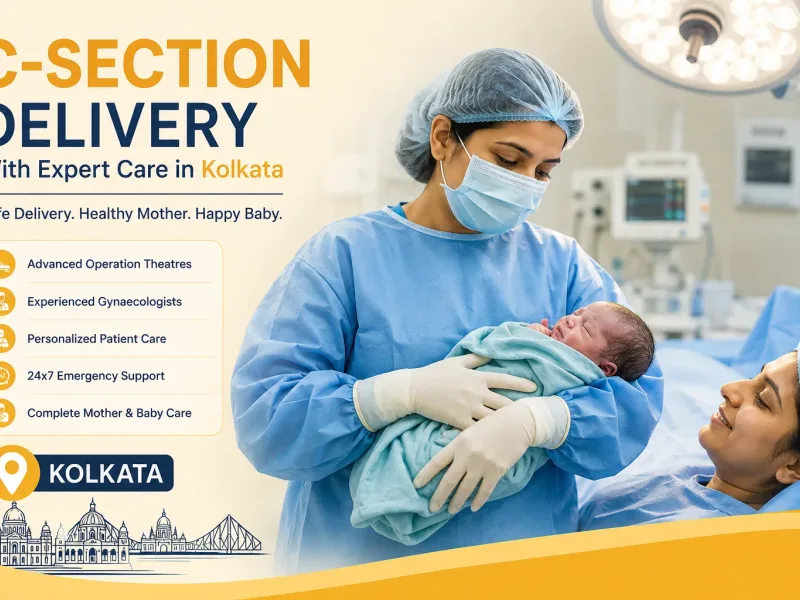
A cesarean section (C-section) is a surgical delivery in which a baby is born through an incision in the mother's abdomen and uterus. In Kolkata, several experienced obstetricians and well-equipped hospitals offer C-section services for planned and emergency deliveries. Understanding when a C-sectio
July 31, 2026
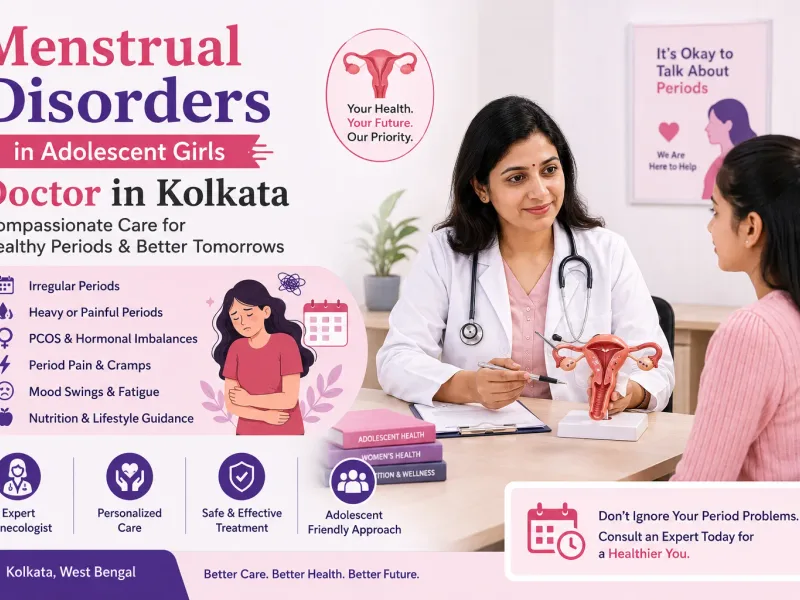
If you are searching for a Menstrual Disorders in Adolescent Girls Doctor in Kolkata, early evaluation by an experienced gynecologist can help identify the underlying cause of irregular or painful periods. While menstrual irregularities are common during the first few years after puberty, persistent
July 31, 2026
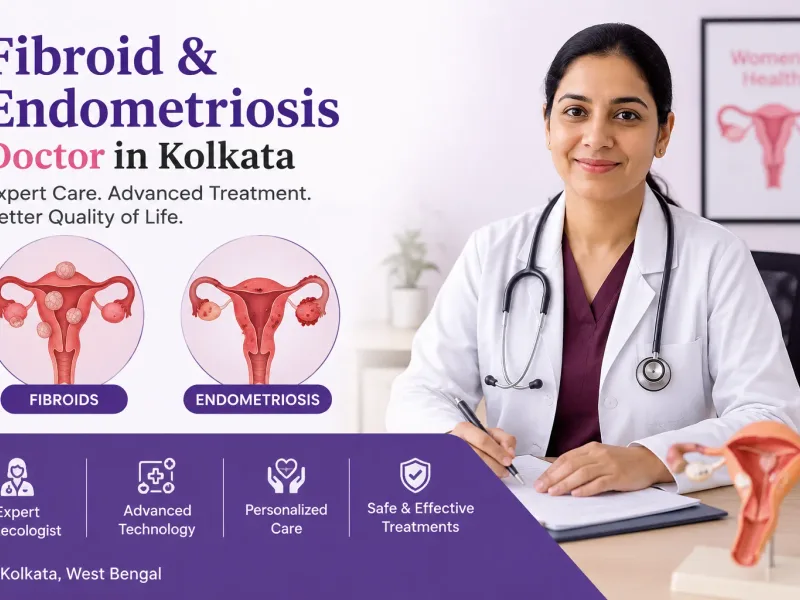
If you are searching for a Fibroid & Endometriosis doctor in Kolkata, choosing an experienced gynecologist with expertise in minimally invasive gynecological surgery is essential. Uterine fibroids and endometriosis are two common but different conditions that can cause pelvic pain, heavy menstrual b
July 31, 2026