

Emergency & Help
24/7 Emergency & General Advisory
🚨 24/7 Medical Emergency
Non-Emergency Advisory
10:00 AM – 6:00 PM, Mon–Sat
For appointments & general queries.
24/7 Emergency & General Advisory
🚨 24/7 Medical Emergency
Non-Emergency Advisory
10:00 AM – 6:00 PM, Mon–Sat
For appointments & general queries.
Learn about mammograms for breast cancer screening, including who should get them, how often, what to expect, and the benefits and risks. Early detection is key!
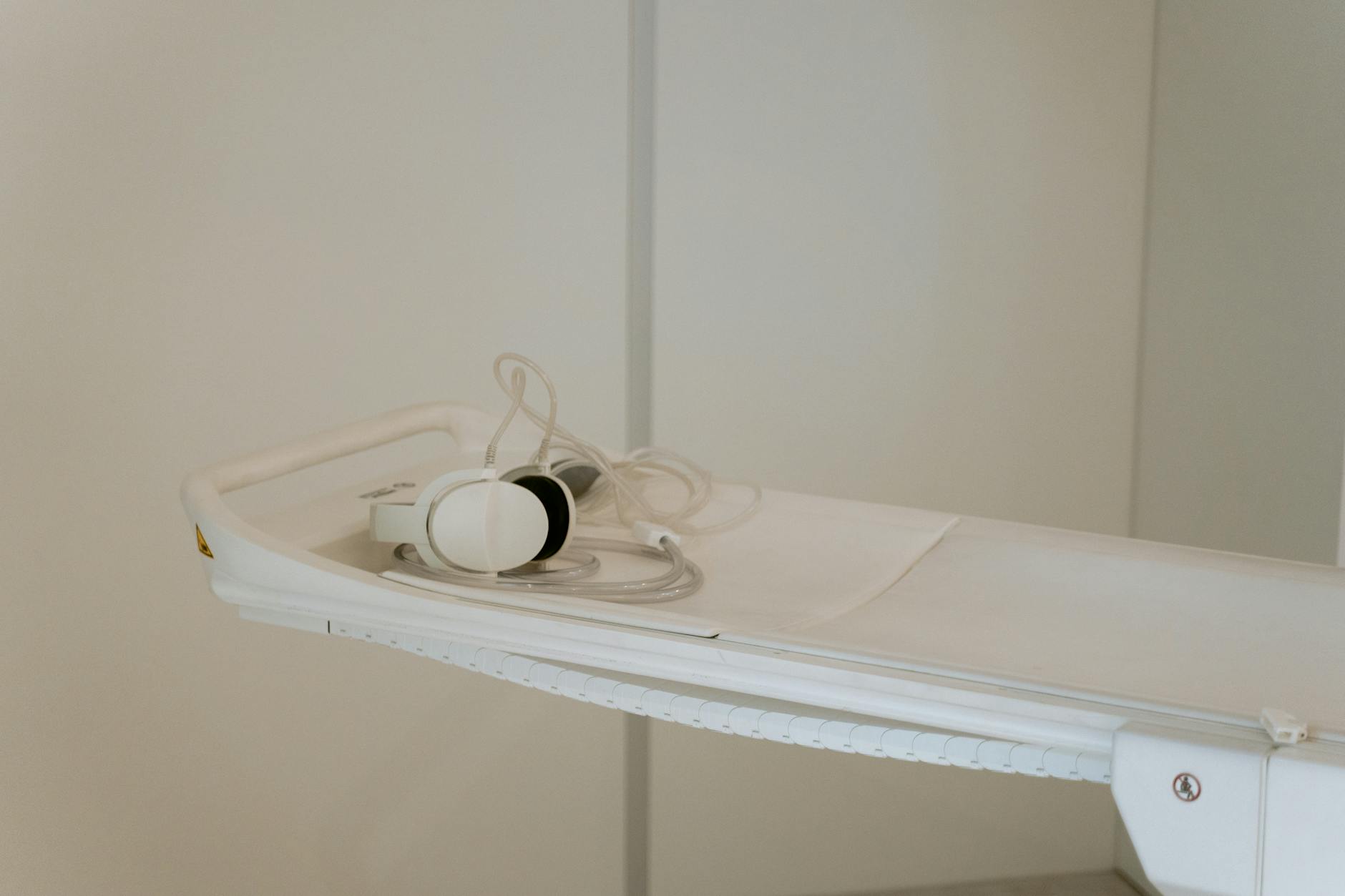
Breast cancer is a significant health concern for women worldwide, and early detection plays a crucial role in successful treatment and improved outcomes. A mammogram is a specialized X-ray of the breast that serves as a vital tool for screening and diagnosing breast cancer. This article aims to provide comprehensive information about mammograms, their importance, how they are performed, and what to expect, tailored for an Indian audience.
A mammogram is essentially an X-ray of the breast tissue. It uses low-dose radiation to create detailed images of the inside of the breast. These images help doctors identify any abnormalities, such as lumps, calcifications, or other changes, that could indicate the presence of breast cancer. Mammograms can be used for two primary purposes: screening and diagnosis.
It's important to understand the difference between these two types of mammograms:
Recommendations for mammogram screening can vary slightly, but general guidelines are as follows:
Note for Indian Readers: While these guidelines are internationally recognized, it's always best to consult with your local healthcare provider in India for personalized recommendations based on your individual health profile and local healthcare practices.
The mammogram procedure is relatively quick and straightforward:
3D mammography, also known as digital breast tomosynthesis (DBT), is an advanced form of mammography that is becoming increasingly common. In this technique, the X-ray machine moves in an arc around the breast, taking multiple images from different angles. These images are then reconstructed into a series of thin "slices" of the breast tissue.
Benefits of 3D Mammography:
Mammograms offer significant benefits but also come with potential risks:
While regular screening is essential, you should consult your doctor immediately if you notice any of the following changes in your breasts:
Even if your mammogram results are normal, it's important to remain aware of your breasts and report any new concerns to your doctor promptly.
While mammograms are crucial for early detection, adopting a healthy lifestyle can help reduce your risk of developing breast cancer:
A1: Yes, although it is rare, men can develop breast cancer. Men with a family history of breast cancer or other risk factors should discuss screening with their doctor.
A2: Some women experience temporary discomfort or mild pain due to breast compression. However, the procedure is quick, and the discomfort usually subsides immediately after.
A3: Results are typically available within a few days to a couple of weeks. Your doctor's office will contact you to discuss the findings.
A4: No, mammograms are not 100% accurate and can miss some cancers. This is why it's important to be aware of your breasts and report any changes to your doctor, even if your mammogram is normal.
A5: 3D mammography (tomosynthesis) offers a more detailed view and can improve cancer detection, especially in women with dense breasts, and may reduce the need for follow-up imaging.
Mammograms are a powerful tool in the fight against breast cancer, enabling early detection and significantly improving treatment outcomes. Understanding the procedure, its benefits, and potential risks empowers individuals to make informed decisions about their breast health. Regular screening, combined with a healthy lifestyle, is key to protecting yourself against this disease. Always consult your healthcare provider for personalized advice and screening schedules.
Visit Hospital
Near You

A cesarean section (C-section) is a surgical delivery in which a baby is born through an incision in the mother's abdomen and uterus. In Kolkata, several experienced obstetricians and well-equipped hospitals offer C-section services for planned and emergency deliveries. Understanding when a C-sectio
July 31, 2026
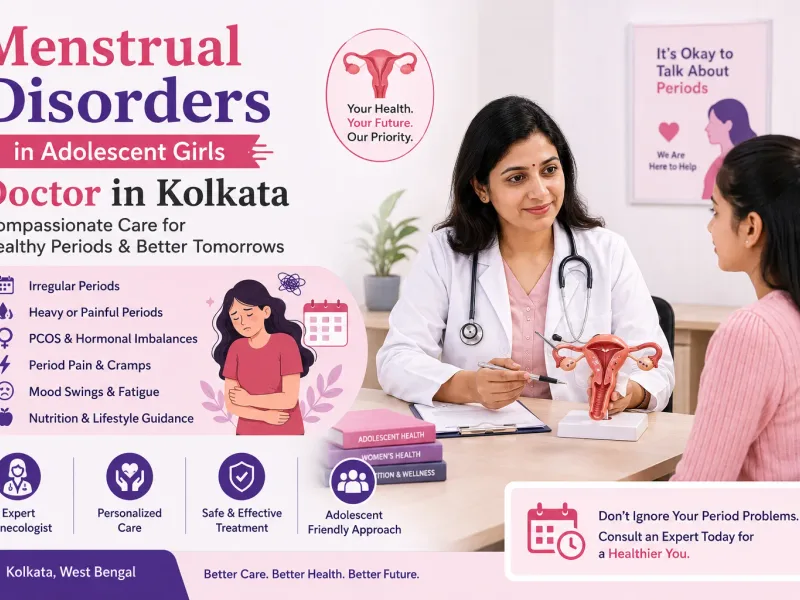
If you are searching for a Menstrual Disorders in Adolescent Girls Doctor in Kolkata, early evaluation by an experienced gynecologist can help identify the underlying cause of irregular or painful periods. While menstrual irregularities are common during the first few years after puberty, persistent
July 31, 2026
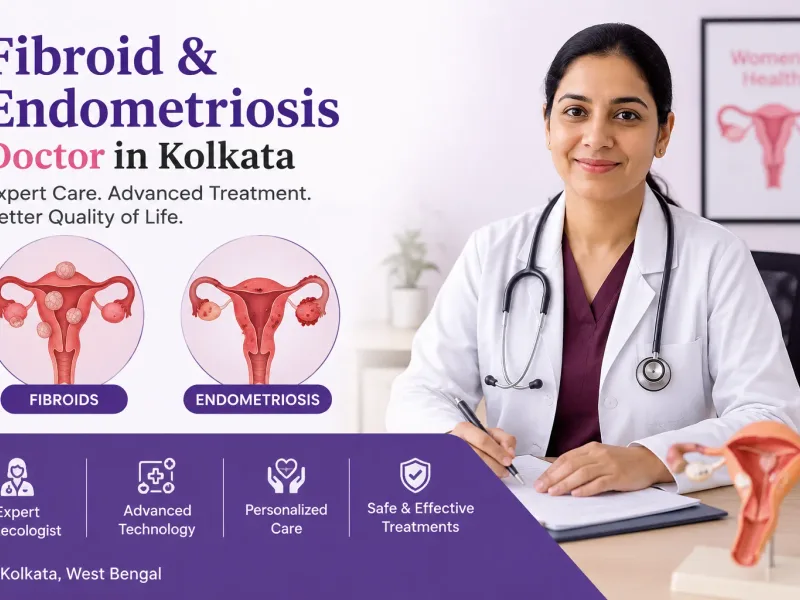
If you are searching for a Fibroid & Endometriosis doctor in Kolkata, choosing an experienced gynecologist with expertise in minimally invasive gynecological surgery is essential. Uterine fibroids and endometriosis are two common but different conditions that can cause pelvic pain, heavy menstrual b
July 31, 2026