

Emergency & Help
24/7 Emergency & General Advisory
🚨 24/7 Medical Emergency
Non-Emergency Advisory
10:00 AM – 6:00 PM, Mon–Sat
For appointments & general queries.
24/7 Emergency & General Advisory
🚨 24/7 Medical Emergency
Non-Emergency Advisory
10:00 AM – 6:00 PM, Mon–Sat
For appointments & general queries.
Navigating life after mastectomy? Understand the recovery timeline, essential care tips, and what to expect physically and emotionally. Your guide to healing.
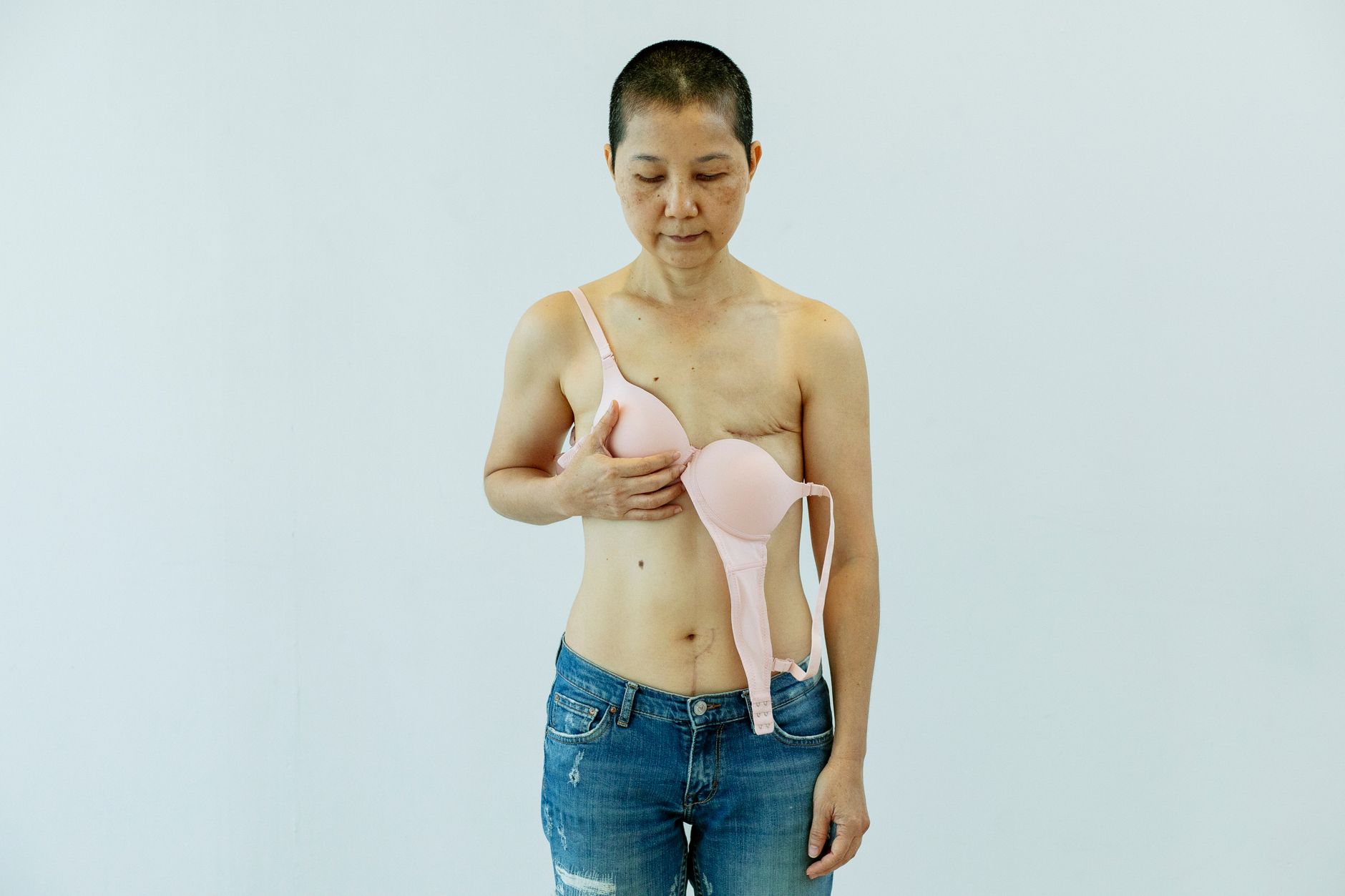
Undergoing a mastectomy is a significant life event, and understanding the recovery process is paramount for both physical healing and emotional well-being. This procedure, often performed to treat breast cancer, involves the surgical removal of one or both breasts. While the prospect of surgery can be daunting, knowing what lies ahead can empower you to navigate the recovery journey with greater confidence and comfort. Think of this as your roadmap, guiding you through the weeks and months following your mastectomy. We’ll cover everything from the immediate post-operative period to long-term healing, offering practical advice tailored for our Indian readers.
Right after surgery, you’ll likely be in a recovery room or a hospital ward. Pain management is a top priority. You might receive pain medication intravenously or orally. It’s absolutely vital to communicate with your healthcare team about your pain levels. Don’t hesitate to ask for adjustments if the pain isn’t adequately controlled. You’ll also have dressings or bandages covering the surgical site. Drains might be in place to remove excess fluid, and these are usually removed within a week or two.
Key things to expect:
Your doctors and nurses will provide specific instructions on wound care, activity restrictions, and medication. Follow these diligently. Simple actions like deep breathing exercises can help prevent lung complications. Early, gentle movement of your arm, as advised by your physiotherapist, is also encouraged to prevent stiffness.
As you transition from the hospital to your home, the focus shifts to managing your recovery in a familiar environment. The first few weeks are critical for healing. You’ll need plenty of rest. Listen to your body; if you feel tired, rest. Avoid strenuous activities, heavy lifting, and repetitive arm movements. Your doctor will give you a clearer timeline for when you can gradually increase your activity level.
Wound Care: Keep the incision clean and dry. Your doctor will guide you on when and how to change dressings. Watch for any signs of infection, such as increased redness, swelling, warmth, pus, or fever. Report these to your doctor immediately.
Pain Management: Continue taking prescribed pain medication. Over-the-counter pain relievers might also be recommended. Some people find relief from using a supportive pillow or sleeping in a slightly elevated position.
Drain Management: If you have drains, you’ll need to empty and measure the fluid output regularly. Your healthcare provider will show you how to do this. Keeping the drain sites clean is important.
Emotional Well-being: It’s perfectly normal to experience a range of emotions – sadness, anxiety, anger, or even relief. Talking about your feelings with loved ones, a support group, or a therapist can be incredibly beneficial. Remember, you are not alone in this journey.
A potential complication after mastectomy, especially if lymph nodes were removed, is lymphedema – swelling in the arm or chest area due to fluid buildup. To minimize this risk:
This period is about gradually rebuilding your strength and returning to your daily activities. Physical therapy plays a vital role here. A physiotherapist can guide you through specific exercises to improve range of motion, flexibility, and strength in your shoulder and arm. These exercises are tailored to your progress and are essential for restoring function.
Reconstruction Options: If you opted for breast reconstruction, this phase might involve further surgical procedures. Discuss the timeline and expectations with your plastic surgeon. Whether you choose reconstruction or opt for a prosthesis, there are many options available.
Scar Management: As incisions heal, scars will form. Gentle massage of the scar tissue, once approved by your doctor, can help improve flexibility and reduce discomfort. Silicone sheets or gels might also be recommended.
Return to Normal Activities: You can slowly reintroduce more demanding activities, but always listen to your body. Avoid pushing yourself too hard, too soon. Driving, light household chores, and returning to work might become possible during this time, depending on your recovery pace and the type of work you do.
Recovery is a marathon, not a sprint. Even after six months, healing continues. You might notice ongoing changes in sensation or the appearance of scars. Many women find that incorporating gentle exercise, like walking or swimming, further aids their physical and emotional recovery. Continue with any recommended follow-up appointments with your medical team.
Body Image and Self-Esteem: Adjusting to changes in your body can take time. Be patient and kind to yourself. Support groups can be invaluable for connecting with others who understand your experience. Exploring options like comfortable bras, prostheses, or even swimwear can help you feel more confident.
Ongoing Monitoring: Regular check-ups are essential for monitoring your overall health and detecting any potential recurrence of cancer. Adhere strictly to your doctor’s screening and follow-up schedule.
Here are some practical tips to help you through your mastectomy recovery:
While recovery involves normal discomforts, certain signs warrant immediate medical attention. Contact your doctor right away if you experience:
Remember, your healthcare team is your most valuable resource. Open communication is key. Don’t hesitate to reach out with any questions or concerns, no matter how small they may seem. You are strong, and with the right support and information, you can navigate this recovery period successfully.
Visit Hospital
Near You
A cesarean section (C-section) is a surgical delivery in which a baby is born through an incision in the mother's abdomen and uterus. In Kolkata, several experienced obstetricians and well-equipped hospitals offer C-section services for planned and emergency deliveries. Understanding when a C-sectio
July 31, 2026
If you are searching for a Menstrual Disorders in Adolescent Girls Doctor in Kolkata, early evaluation by an experienced gynecologist can help identify the underlying cause of irregular or painful periods. While menstrual irregularities are common during the first few years after puberty, persistent
July 31, 2026
If you are searching for a Fibroid & Endometriosis doctor in Kolkata, choosing an experienced gynecologist with expertise in minimally invasive gynecological surgery is essential. Uterine fibroids and endometriosis are two common but different conditions that can cause pelvic pain, heavy menstrual b
July 31, 2026