

Emergency & Help
24/7 Emergency & General Advisory
🚨 24/7 Medical Emergency
Non-Emergency Advisory
10:00 AM – 6:00 PM, Mon–Sat
For appointments & general queries.
24/7 Emergency & General Advisory
🚨 24/7 Medical Emergency
Non-Emergency Advisory
10:00 AM – 6:00 PM, Mon–Sat
For appointments & general queries.
A comprehensive guide to using tampons safely and comfortably, covering insertion, removal, absorbency, and TSS prevention for Indian readers.
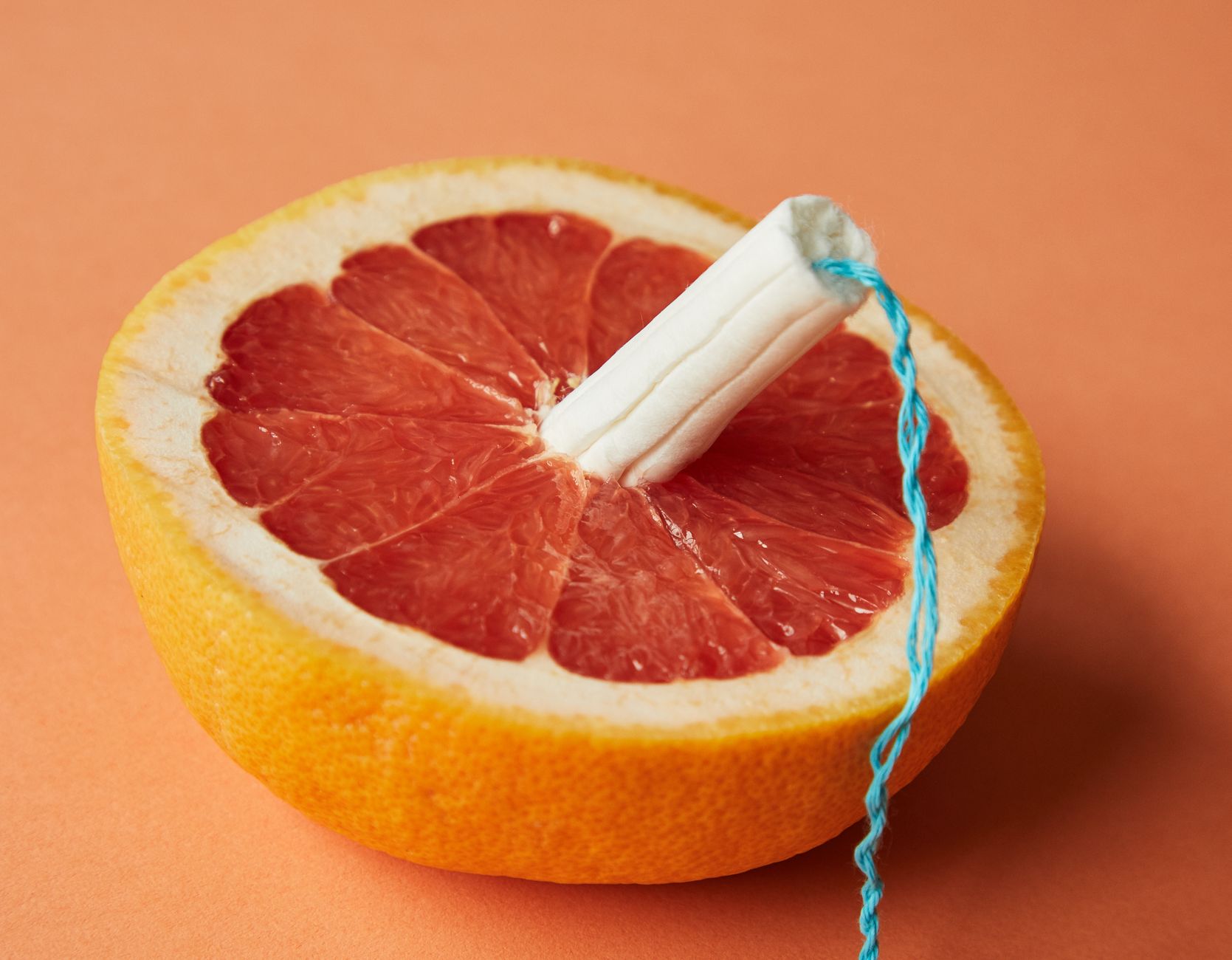
Navigating your period can bring up many questions, and for some, choosing menstrual products like tampons can feel a bit daunting, especially for the first time. It’s completely normal to feel a little unsure! Think of it like learning to ride a bike; it might seem intimidating initially, but with a little guidance and practice, it becomes second nature. This guide is here to help you understand everything you need to know about using tampons safely and comfortably.
Before you even start, it’s helpful to know the different parts of a tampon. While tampons are designed for simplicity, they have a few components:
Tampons come in various absorbency levels to match your flow: light, regular, super, and super plus. It’s best to start with a lighter absorbency, especially if it’s your first time.
If you find you’re bleeding through a tampon before the recommended 4-8 hours, it’s a sign you might need a higher absorbency. Conversely, if there’s very little fluid on the tampon when you change it, you might consider a lower absorbency.
Hygiene is paramount. Always start by washing your hands thoroughly with soap and water. This prevents the introduction of germs into your vagina.
Getting into a comfortable position is also key. Many people find it easiest to stand with one leg slightly raised (perhaps on the toilet seat or bathtub edge) or to squat. Some prefer to sit on the toilet with their knees apart. Experiment to find what feels most natural and relaxed for you.
A handheld mirror can be helpful for your first few tries, allowing you to see what you’re doing and gain confidence.
Here’s how to insert a tampon, whether it has an applicator or not:
A common patient scenario: Priya felt anxious about using tampons for the first time before a beach trip. She practiced inserting one at home while sitting on the toilet and using a mirror. By the second try, she found a comfortable angle and position, and felt much more confident for her trip.
Once inserted correctly, you shouldn’t feel the tampon at all. If you feel discomfort or pain, it might not be positioned correctly, or you might need to try a different type or size.
When to change: You should change your tampon every 4 to 8 hours. Never leave a tampon in for longer than 8 hours. If you’re bleeding through a tampon before 4 hours, switch to a higher absorbency.
How to remove: Removal is usually straightforward. Simply locate the string and gently pull it downwards. The tampon should slide out easily. If you have trouble, try relaxing your muscles and changing your position.
Toxic Shock Syndrome (TSS) is a rare but serious condition associated with tampon use. It’s caused by bacteria that can grow when a tampon is left in for too long or if there are small cuts in the vaginal lining.
Key safety tips to prevent TSS:
Symptoms of TSS to watch for include: sudden high fever, rash resembling sunburn (especially on palms and soles), low blood pressure, vomiting or diarrhea, confusion, and muscle aches. If you experience these symptoms, remove the tampon immediately and seek urgent medical attention.
It’s generally not recommended to use more than one tampon at a time. This can make removal more difficult and potentially uncomfortable.
If you’re having trouble, relax. Ensure you’re in a comfortable position and try aiming slightly back towards your tailbone. Using a lubricant (water-based) can sometimes help if your flow is very light, though usually menstrual fluid provides enough lubrication.
No, tampons do not affect fertility. They are designed to be used externally and do not impact reproductive organs.
Yes! Tampons are an excellent option for swimming, sports, and other physical activities, as they are completely internal and allow for freedom of movement.
While tampons are safe for most people, you should consult a doctor if you experience persistent pain during insertion or removal, notice any unusual discharge or odor, suspect an infection, or have concerns about TSS symptoms. If you’re new to tampons and feeling very anxious, a quick chat with your gynecologist can offer reassurance and personalized advice.
Learning to use tampons is a personal journey. Be patient with yourself, prioritize hygiene and safety, and don’t hesitate to seek help if you need it. You’ve got this!
Visit Hospital
Near You

A cesarean section (C-section) is a surgical delivery in which a baby is born through an incision in the mother's abdomen and uterus. In Kolkata, several experienced obstetricians and well-equipped hospitals offer C-section services for planned and emergency deliveries. Understanding when a C-sectio
July 31, 2026

If you are searching for a Menstrual Disorders in Adolescent Girls Doctor in Kolkata, early evaluation by an experienced gynecologist can help identify the underlying cause of irregular or painful periods. While menstrual irregularities are common during the first few years after puberty, persistent
July 31, 2026

If you are searching for a Fibroid & Endometriosis doctor in Kolkata, choosing an experienced gynecologist with expertise in minimally invasive gynecological surgery is essential. Uterine fibroids and endometriosis are two common but different conditions that can cause pelvic pain, heavy menstrual b
July 31, 2026