

Emergency & Help
24/7 Emergency & General Advisory
🚨 24/7 Medical Emergency
Non-Emergency Advisory
10:00 AM – 6:00 PM, Mon–Sat
For appointments & general queries.
24/7 Emergency & General Advisory
🚨 24/7 Medical Emergency
Non-Emergency Advisory
10:00 AM – 6:00 PM, Mon–Sat
For appointments & general queries.
Discover effective and safe home remedies for mastitis relief for breastfeeding mothers. Learn about symptoms, causes, and when to seek medical advice.
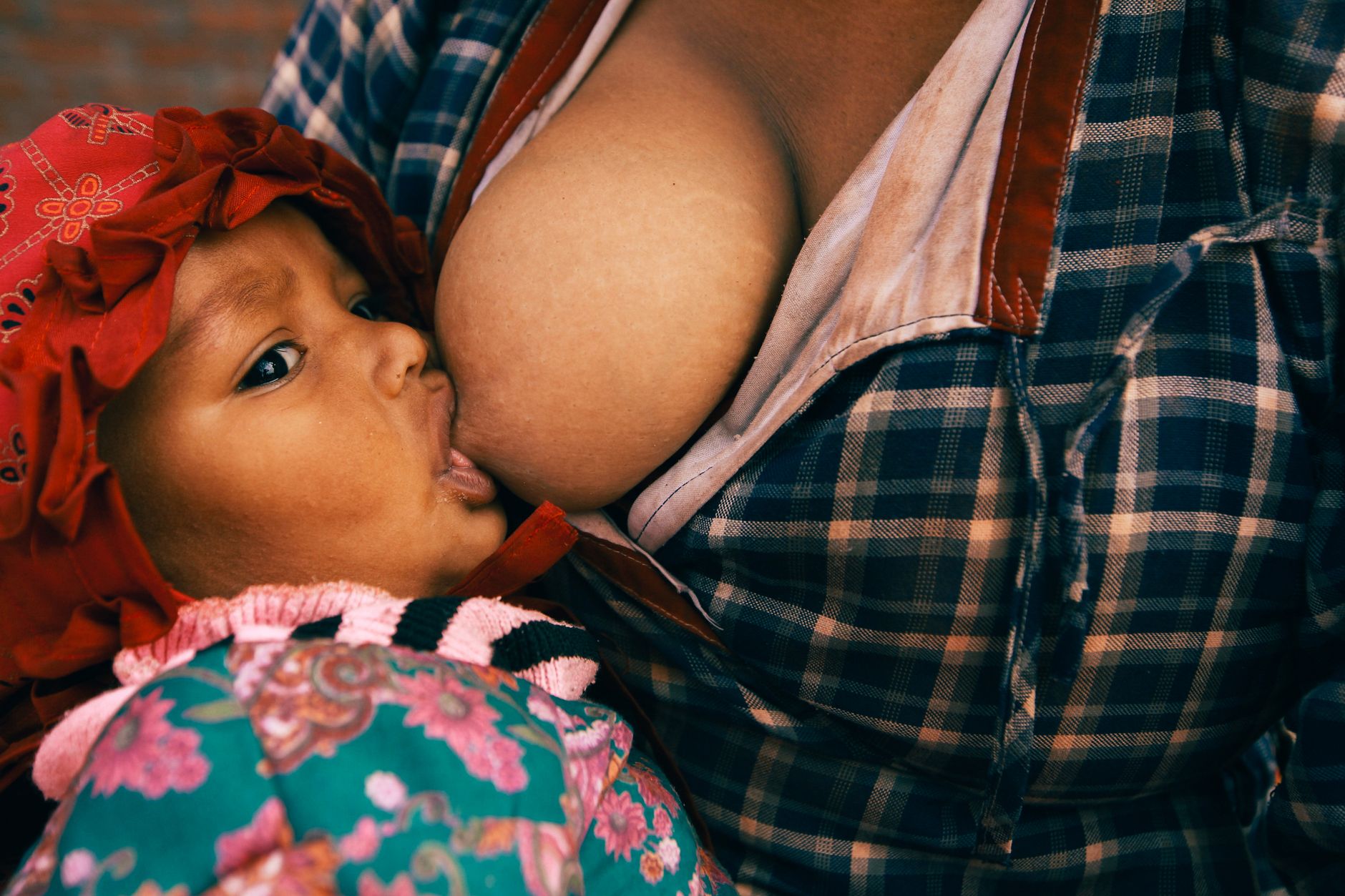
Being a new mother is an incredible journey, filled with joy, love, and of course, a lot of learning. Breastfeeding is a beautiful way to nourish your baby, but it can sometimes come with challenges. One such challenge that many breastfeeding mothers face is mastitis. You might be feeling unwell, experiencing breast pain, and wondering what you can do to feel better quickly. This guide is here to offer practical, safe, and effective home remedies for mastitis, specifically tailored for Indian mothers. We’ll explore what mastitis is, its common causes, how to identify the symptoms, and most importantly, what you can do at home to find relief. Remember, while these remedies can be very helpful, seeking professional advice is always important. Understanding Mastitis: What It Is and Why It Happens Mastitis is an inflammation of the breast tissue. It often occurs in breastfeeding mothers and can sometimes lead to an infection if not managed properly. Imagine milk that doesn't flow out of the breast as freely as it should; it can become stagnant and create a breeding ground for bacteria. This is one of the primary ways mastitis begins. Sometimes, bacteria can enter the breast through tiny cracks or irritation on your nipples. Mastitis can affect one breast or, less commonly, both. If it happens while you're breastfeeding, it's specifically called lactation mastitis. You might notice your breast feels painful, looks red, feels warm to the touch, and might even swell up. Beyond the breast itself, you might also experience general body aches, chills, and feel unusually tired, much like you would with a flu. Common Causes and Risk Factors Several factors can increase your risk of developing mastitis: Blocked Milk Ducts: This is a very common culprit. If milk doesn't drain completely from a part of your breast, it can get backed up and lead to inflammation. This can happen if your baby isn't latching effectively, if you skip feedings, or if you wear a bra that's too tight. Bacterial Entry: Bacteria, often from your baby's mouth, can enter the breast through cracked or sore nipples. Even minor skin irritation can be an entry point. Engorgement: When your breasts become overly full, it can create pressure and block milk ducts. Sudden Weaning: Abruptly stopping breastfeeding can sometimes lead to milk stasis and mastitis. Other Factors: Previous mastitis, poor nutrition, stress, and smoking can also play a role. Consider this scenario: Priya, a new mother in Mumbai, noticed her left breast felt unusually tender and looked a bit red after a few nights of irregular sleep due to her baby's colic. She felt a dull ache in her arm and a general sense of fatigue, initially dismissing it as exhaustion from sleepless nights. However, the redness and warmth in her breast grew, prompting her to seek advice. Spotting the Signs: Symptoms of Mastitis Recognizing mastitis early is key to managing it effectively. Here are the common symptoms to watch out for: Breast Pain and Tenderness: You may feel a constant ache or sharp pain in one or both breasts. Swelling and Redness: The affected breast might look visibly swollen and have patches of redness. Warmth: The skin on the inflamed area of the breast may feel warmer than the surrounding skin. Lumps: You might feel a tender lump or a hard area in your breast. Flu-like Symptoms: Chills, body aches, fever, and fatigue are common. Burning Sensation: Some women experience a burning pain, especially during breastfeeding. Decreased Milk Supply: You might notice that the affected breast is not producing as much milk as usual. It's important to remember that symptoms can sometimes develop quickly, often within a day or two. Effective Home Remedies for Mastitis Relief When you first notice the signs of mastitis, there are several safe and effective remedies you can try at home. These aim to reduce inflammation, encourage milk flow, and prevent the condition from worsening. Always ensure your hands are clean before touching your breasts. 1. Frequent Breastfeeding or Pumping This is perhaps the most important step. The goal is to drain the breast completely and regularly. Try to feed your baby from the affected breast as often as possible, ideally every 2-3 hours, even if it's painful. If direct feeding is too difficult, use a breast pump to express milk from the affected side. Consistent emptying helps to clear blocked ducts and reduce inflammation. 2. Warm Compresses Applying warmth to the affected breast before and during feeding can help relax the tissues and encourage milk to flow. You can use a warm washcloth or a heating pad on a low setting. Apply for about 15-20 minutes. 3. Gentle Massage While breastfeeding or pumping, gently massage the affected area. Start from the outside of the breast and move towards the nipple. This can help break up any clogs or lumps. Be gentle; you don't want to cause more pain. 4. Cold Compresses (After Feeding) After breastfeeding or pumping, applying a cold compress or a cold cabbage leaf can help reduce swelling and pain. This is especially helpful if the breast feels very hot and swollen. 5. Cabbage Leaves Yes, cabbage leaves! This is a traditional remedy that many mothers find helpful. Chill clean, dry cabbage leaves (like from a refrigerator) and place them between your bra and your breast, ensuring they cover the inflamed area. Remove them after about 20 minutes or when they become warm. The coolness can help reduce swelling and discomfort. Be mindful not to overdo this if you are concerned about your milk supply drying up, as prolonged use can sometimes affect milk production. 6. Stay Hydrated Drinking plenty of fluids is essential for overall health and especially important when breastfeeding. Aim for at least 8-10 glasses of water a day. Other fluids like herbal teas, diluted juices, and milk also contribute to your hydration needs. Good hydration helps maintain milk flow. 7. Rest Your body needs time to heal. Try to get as much rest as possible. Lie down, put your feet up, and let others help with household chores or baby care if they can. Rest allows your body to focus its energy on fighting off inflammation and infection. 8. Pain Relief Over-the-counter pain relievers like paracetamol (acetaminophen) or ibuprofen can help manage pain and fever. Always choose a medication that is safe for breastfeeding mothers and follow the dosage instructions carefully. Consult your doctor or pharmacist if you are unsure. 9. Essential Oils (Use with Caution) Some research suggests that certain essential oils, like tea tree oil (diluted with a carrier oil like almond or coconut oil), may have antibacterial and anti-inflammatory properties. However, use these with extreme caution. Always dilute them properly and perform a patch test first. It’s best to discuss the use of essential oils with your doctor or a lactation consultant before applying them to your skin, especially on or near the breast. When to Seek Medical Help: Consulting Your Doctor While home remedies are excellent for initial relief, it's crucial to know when to seek professional medical attention. Mastitis can sometimes develop into a more serious infection, such as a breast abscess, if not treated promptly. Consult your doctor immediately if: Your symptoms don't improve within 24-48 hours of trying home remedies. You develop a high fever (above 101°F or 38.3°C). You experience severe, worsening pain or redness. You notice red streaks spreading from the sore area. You feel generally very unwell or have significant chills. You have a history of recurrent mastitis. Your doctor can diagnose mastitis accurately and, if necessary, prescribe antibiotics. Many antibiotics are safe for breastfeeding mothers, allowing you to continue nursing your baby while you recover. Don't hesitate to reach out for help; your health is paramount. Preventing Mastitis: Tips for Healthy Breastfeeding Prevention is always better than cure. Here are some tips to help reduce your risk of developing mastitis: Ensure Proper Latch: Make sure your baby has a good latch during breastfeeding. This helps in draining the breast effectively. Empty Breasts Regularly: Feed your baby frequently and ensure the breasts are emptied after each feeding, either by the baby or by pumping. Avoid Tight Clothing: Wear comfortable bras and clothing that do not constrict your breasts. Vary Nursing Positions: Try different breastfeeding positions to ensure all areas of the breast are stimulated and drained. Practice Good Hygiene: Keep your nipples clean and address any cracks or soreness promptly. Maintain Good Nutrition and Hydration: Eat a balanced diet and drink plenty of fluids. Manage Stress and Get Rest: Prioritize rest and find ways to manage stress, as both can impact your immune system. Frequently Asked Questions (FAQ) Can I continue breastfeeding if I have mastitis? Yes, in most cases, you can and should continue breastfeeding from the affected breast. Frequent nursing helps to clear the infection and relieve pain. If your doctor prescribes antibiotics, they can usually be taken while breastfeeding. How long does mastitis take to heal with home remedies? With prompt home care, many women
In summary, timely diagnosis, evidence-based treatment, and prevention-focused care improve long-term health outcomes.
Visit Hospital
Near You
A cesarean section (C-section) is a surgical delivery in which a baby is born through an incision in the mother's abdomen and uterus. In Kolkata, several experienced obstetricians and well-equipped hospitals offer C-section services for planned and emergency deliveries. Understanding when a C-sectio
July 31, 2026
If you are searching for a Menstrual Disorders in Adolescent Girls Doctor in Kolkata, early evaluation by an experienced gynecologist can help identify the underlying cause of irregular or painful periods. While menstrual irregularities are common during the first few years after puberty, persistent
July 31, 2026
If you are searching for a Fibroid & Endometriosis doctor in Kolkata, choosing an experienced gynecologist with expertise in minimally invasive gynecological surgery is essential. Uterine fibroids and endometriosis are two common but different conditions that can cause pelvic pain, heavy menstrual b
July 31, 2026