

Emergency & Help
24/7 Emergency & General Advisory
🚨 24/7 Medical Emergency
Non-Emergency Advisory
10:00 AM – 6:00 PM, Mon–Sat
For appointments & general queries.
24/7 Emergency & General Advisory
🚨 24/7 Medical Emergency
Non-Emergency Advisory
10:00 AM – 6:00 PM, Mon–Sat
For appointments & general queries.
Explore menstrual discs: what they are, how they differ from cups, how to use them, and their benefits for managing your period, including for sex and heavy flow. Learn about insertion, removal, and when to seek medical advice.
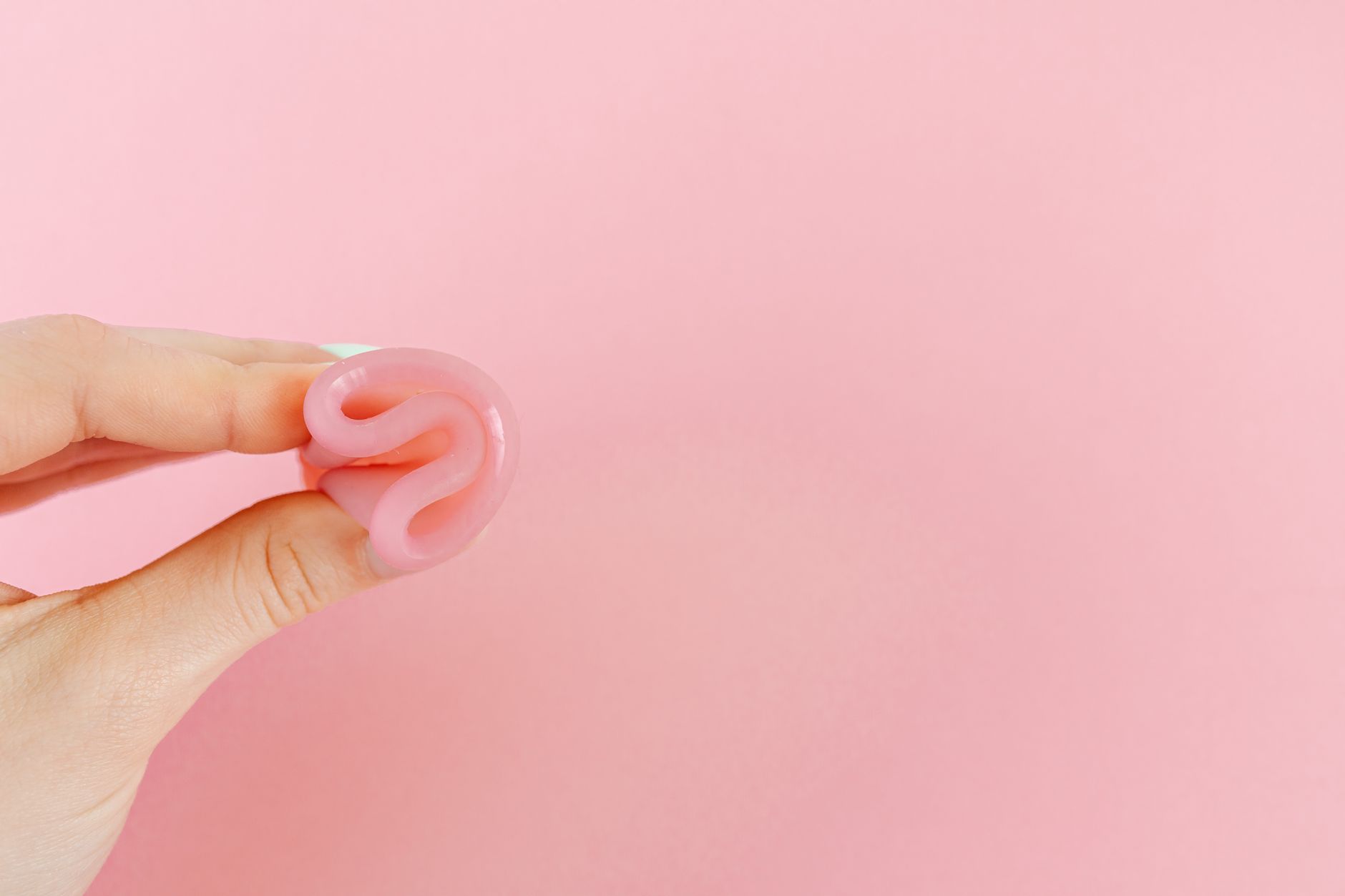
Menstruation is a natural part of a woman's life, yet discussions around period products can sometimes feel limited. While pads and tampons are common, newer options like menstrual discs are gaining attention. Have you heard about menstrual discs? They're an insertable period product that promises up to 12 hours of protection, mess-free period sex, and even a potential reduction in cramps. Let's explore what makes them different and if they could be the right choice for you.
Think of a menstrual disc as a soft, flexible cup that sits differently than a menstrual cup. Unlike cups that rest in the vaginal canal, a disc tucks into the vaginal fornix, which is the space above your vaginal canal, right where your cervix is located. Its design allows it to collect menstrual fluid rather than absorb it, much like a menstrual cup.
It's easy to get confused between discs and cups, as they share similarities. Both are reusable or disposable insertable period products that collect menstrual blood. However, their placement is the key differentiator:
This difference in placement means discs don't occupy space in the vaginal canal, which is why they're often touted as being suitable for period sex. Some brands that were initially marketed as menstrual cups have even been rebranded as discs because their features align better with disc functionality.
Getting the hang of a menstrual disc might take a little practice, but once you find your rhythm, many users find them comfortable and effective. Always start by washing your hands thoroughly before insertion.
A Real-Life Scenario: Priya, a 28-year-old working professional, was tired of frequent tampon changes during her heavy flow days. She decided to try a menstrual disc. The first few times, she found insertion a bit tricky, but after a week of practice, she could insert it smoothly within a minute. She was amazed to find she could go through her workday without worrying about leaks or changes.
Removal can sometimes be a bit trickier than insertion, and it's best done while sitting on the toilet to minimize any potential spills.
Once removed, empty the contents into the toilet. If you're using a disposable disc, wrap it in toilet paper and discard it in the trash. For reusable discs, rinse it thoroughly before reinsertion or cleaning.
Menstrual discs are designed to hold a significant amount of fluid. Depending on the brand, they can typically hold the equivalent of about 5 regular tampons or 3 super tampons. This translates to roughly 5 to 6 teaspoons of menstrual fluid. For context, the total blood loss during an entire period usually ranges from 4 to 12 teaspoons. This capacity means many users can wear a disc for extended periods, often up to the advertised 12 hours, especially if their flow is lighter to moderate.
If you experience a heavy menstrual flow, you might need to change your disc more frequently than the maximum 12-hour wear time. How do you know if your flow is heavy? According to health guidelines, needing to change your pad or tampon every two hours or less, or passing blood clots the size of a quarter or larger, are indicators of a heavy flow. While discs can handle heavy flows, pay attention to your body and change the disc as needed to prevent leaks.
One of the most talked-about features of menstrual discs is their potential for mess-free period sex. Because discs sit at the base of the cervix and don't occupy the vaginal canal, they don't interfere with penetrative sex. This is similar to how a diaphragm works. As long as the disc is inserted correctly and remains in place, neither you nor your partner should feel it. However, some users have reported that intense or deep sexual activity can sometimes cause the disc to shift or even leak. While many find it works well, it's a good idea to test it out in a comfortable setting to see how it performs for you.
Some anecdotal evidence and user reports suggest that menstrual discs might help reduce certain types of period-related pain, but they are not specifically designed to alleviate menstrual cramps. The mechanism behind this potential relief isn't fully understood, but some theories suggest that the disc's placement might put less pressure on the cervix or vaginal canal for some individuals. However, if severe cramps are your primary concern, discs may not be a direct solution.
Leaks and discomfort with menstrual discs often stem from insertion or removal technique, or choosing the wrong size or type of disc. Here are some tips:
While menstrual discs are generally safe for most individuals, it's important to consult a doctor or gynecologist if you experience any of the following:
Your doctor can provide personalized advice and ensure that using a menstrual disc is appropriate for your health needs.
Yes, for most people, menstrual discs are safe for long-term use when used as directed. They are typically made from medical-grade silicone, which is body-safe. However, it's always wise to follow the manufacturer's instructions for cleaning and replacement, and to consult your doctor if you have any concerns.
Absolutely! Menstrual discs are designed to stay securely in place, making them ideal for swimming, exercising, and other physical activities without worrying about leaks.
After each use and removal, rinse your reusable disc with cool water, then wash it with a mild, unscented, oil-free soap and warm water. Before and after each cycle, it's recommended to sterilize the disc by boiling it in water for a few minutes, following the specific instructions provided by the manufacturer.
A tilted cervix can sometimes make insertion and positioning of internal period products challenging. If you have a tilted cervix, you might need to experiment more with insertion angles and techniques to find what works best. Consulting with your gynecologist can provide tailored advice for your specific anatomy.
Most people do not notice early warning signs right away. That is common. A simple symptom diary, basic routine checks, and timely follow-up visits can prevent small problems from becoming serious.
If you are already on treatment, stay consistent with medicines and lifestyle advice. If your symptoms change, do not guess. Check with a qualified doctor and update your plan early.
Write down symptoms, triggers, and timing for a few days.
Carry old prescriptions and test reports to your consultation.
Ask clearly about side effects, red-flag signs, and follow-up dates.
Seek urgent care for severe pain, breathing trouble, bleeding, fainting, or sudden worsening.
Visit Hospital
Near You

A cesarean section (C-section) is a surgical delivery in which a baby is born through an incision in the mother's abdomen and uterus. In Kolkata, several experienced obstetricians and well-equipped hospitals offer C-section services for planned and emergency deliveries. Understanding when a C-sectio
July 31, 2026

If you are searching for a Menstrual Disorders in Adolescent Girls Doctor in Kolkata, early evaluation by an experienced gynecologist can help identify the underlying cause of irregular or painful periods. While menstrual irregularities are common during the first few years after puberty, persistent
July 31, 2026

If you are searching for a Fibroid & Endometriosis doctor in Kolkata, choosing an experienced gynecologist with expertise in minimally invasive gynecological surgery is essential. Uterine fibroids and endometriosis are two common but different conditions that can cause pelvic pain, heavy menstrual b
July 31, 2026