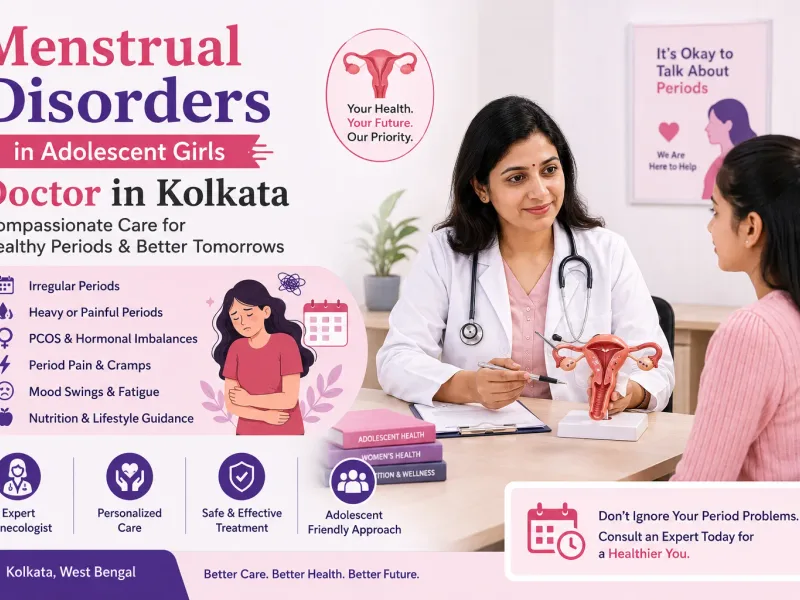
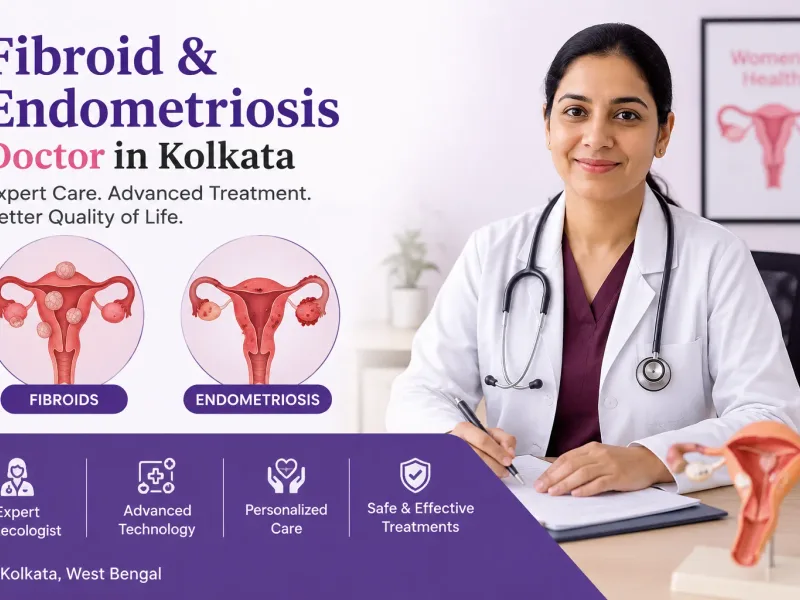
Experiencing nausea around the time of your period can be unsettling, but it's a surprisingly common occurrence for many women. You're not alone if you've felt queasy, queasy, or even vomited during your menstrual cycle. This feeling often stems from the natural hormonal and chemical shifts your body undergoes. However, it's also important to know when this symptom might signal something more that needs medical attention. This guide aims to demystify period-related nausea, explore its common causes, and offer practical advice for relief, all tailored for our readers in India.
What is Period Nausea?
Nausea during your period refers to the feeling of sickness or the urge to vomit that coincides with your menstrual cycle. While it can happen at any point during your period, it's often most noticeable in the days leading up to it (premenstrual phase) or during the first few days of bleeding. The intensity can range from a mild queasiness to severe vomiting, impacting your daily activities. Understanding the link between your menstrual cycle and this digestive discomfort is the first step towards managing it effectively.
Common Culprits: Why Does Nausea Occur During Your Period?
1. Dysmenorrhea: The Pain of Period Cramps
Perhaps the most frequent reason for period nausea is dysmenorrhea, commonly known as painful menstrual cramps. Your uterine lining produces substances called prostaglandins, which help the uterus contract and shed its lining. When these prostaglandins are produced in higher amounts, they can lead to more intense cramps. These cramps can be so uncomfortable that they trigger a feeling of nausea. Moreover, these prostaglandins can enter your bloodstream and directly cause nausea and stomach upset, even without severe pain.
Imagine this scenario: Priya is preparing for an important presentation at work. She wakes up with severe period cramps and a wave of nausea that makes even thinking about breakfast unbearable. She worries she won't be able to focus at work and feels frustrated that her period is affecting her so much.
2. Premenstrual Syndrome (PMS)
PMS is a collection of physical and emotional symptoms that many women experience in the week or two before their period starts. Hormonal fluctuations are the primary drivers of PMS. Since dysmenorrhea is often part of PMS, the nausea associated with prostaglandins can also be a prominent PMS symptom. While PMS affects a vast majority of menstruating women, its severity varies greatly.
3. Premenstrual Dysphoric Disorder (PMDD)
PMDD is a more severe form of PMS, impacting a smaller percentage of women (around 5%). The symptoms are similar to PMS but are significantly more intense and can severely disrupt daily life. Like PMS, PMDD is linked to hormonal changes. However, in PMDD, these shifts can lead to imbalances in brain chemicals like serotonin, affecting mood and physical well-being. Nausea and severe cramps are common physical symptoms of PMDD.
4. Endometriosis
Endometriosis is a condition where tissue similar to the lining of the uterus (endometrium) grows outside the uterus. This tissue can implant on the ovaries, fallopian tubes, and other pelvic organs. During your period, this misplaced tissue thickens, breaks down, and bleeds, just like the uterine lining. However, because it has no way to exit the body, it can cause inflammation and severe pain. If these growths are located near the intestines, they can directly lead to nausea and vomiting, particularly during menstruation.
5. Pelvic Inflammatory Disease (PID)
PID is an infection of the female reproductive organs, often stemming from sexually transmitted infections like chlamydia or gonorrhea, though other bacteria can also cause it. PID might not always show obvious symptoms, but when it does, it can include unusual discharge, painful urination, and pain during intercourse. In more severe cases, PID can lead to nausea, fever, and significant lower abdominal pain. If left untreated, PID can cause serious long-term health issues.
When Nausea Might Signal a Bigger Problem
While period-related nausea is often linked to normal hormonal changes or cramps, it's crucial to be aware of warning signs. You should consult a doctor if your nausea is:
- Accompanied by severe, unbearable pain.
- Associated with a high fever.
- Persistent and doesn't improve after your period.
- Causing significant vomiting that leads to dehydration.
- Present with unusual vaginal discharge or bleeding.
These symptoms could indicate conditions like appendicitis, ovarian cysts, or severe infections that require prompt medical evaluation.
Strategies for Managing Period Nausea
Lifestyle and Home Remedies
- Stay Hydrated: Drink plenty of water, herbal teas (like ginger or peppermint), or clear broths. Avoid sugary drinks and excessive caffeine.
- Dietary Adjustments: Opt for bland, easy-to-digest foods such as rice, toast, bananas, and applesauce (BRAT diet). Eat smaller, more frequent meals instead of large ones. Avoid spicy, fatty, or heavily processed foods.
- Ginger: This natural remedy is well-known for its anti-nausea properties. You can consume it as ginger tea, ginger candy, or even chew on a small piece of fresh ginger.
- Peppermint: Peppermint tea or peppermint oil capsules can help soothe the stomach and alleviate nausea.
- Acupressure: Applying gentle pressure to the Nei Guan (P6) point on your inner wrist (about three finger-widths below the crease of your wrist, between the two tendons) may help reduce nausea. You can use your thumb or finger to apply steady pressure for a few minutes.
- Rest: Ensure you get adequate rest. Sometimes, simply lying down in a quiet, dark room can help ease nausea.
- Warm Compress: Applying a warm water bottle or heating pad to your abdomen can help relax muscles and ease cramps, which in turn may reduce nausea.
Medical Treatments
If home remedies aren't enough, your doctor might suggest:
- Pain Relievers: Over-the-counter medications like ibuprofen (Advil, Motrin) or naproxen (Aleve) can help manage cramps and reduce prostaglandin production, indirectly easing nausea. Always follow dosage instructions.
- Anti-nausea Medications: In cases of severe nausea or vomiting, a doctor may prescribe anti-emetic medications.
- Hormonal Birth Control: For some women, hormonal contraceptives (like pills, patches, or rings) can regulate periods, reduce cramp severity, and consequently lessen nausea associated with PMS or dysmenorrhea.
- Treatment for Underlying Conditions: If your nausea is due to endometriosis, PID, or another medical issue, treatment will focus on managing that specific condition.
Preventing Period Nausea
While you can't always prevent nausea entirely, you can take steps to minimize its occurrence and severity:
- Maintain a Healthy Lifestyle: Regular exercise, a balanced diet rich in fruits, vegetables, and whole grains, and adequate sleep can help regulate your body and potentially reduce symptom severity.
- Manage Stress: Chronic stress can exacerbate PMS symptoms. Incorporate stress-reducing activities like yoga, meditation, or deep breathing exercises into your routine.
- Track Your Cycle: Understanding your body's patterns can help you prepare. Knowing when to expect symptoms allows you to plan accordingly and implement relief strategies proactively.
- Limit Salt, Sugar, and Alcohol: These can sometimes worsen bloating and discomfort.
Frequently Asked Questions (FAQ)
Q1: Can I be pregnant if I have nausea during my period?
While nausea is a common early pregnancy symptom, having nausea *during* your period is more likely related to your cycle. However, if your period is late or unusually light, and you experience nausea, taking a pregnancy test is advisable.
Q2: Is it normal to vomit during your period?
Yes, it can be normal if it's linked to severe cramps or high levels of prostaglandins. However, frequent or severe vomiting should be discussed with a doctor.
Q3: How soon after my period starts can nausea subside?
For most women, nausea related to cramps and prostaglandins starts to subside as the period progresses and cramps lessen, often within the first 1-3 days. If it persists, it warrants medical investigation.
When to Seek Professional Medical Advice
Don't hesitate to reach out to your healthcare provider if you experience any of the following:
- Sudden, severe abdominal pain.
- Nausea accompanied by fever or chills.
- Persistent vomiting leading to dehydration (dry mouth, decreased urination).
- Nausea that significantly interferes with your daily life and doesn't respond to self-care.
- Symptoms suggesting underlying conditions like PID or endometriosis.
Your doctor can help diagnose the exact cause of your nausea and recommend the most effective treatment plan, ensuring your well-being throughout your menstrual cycle.