

Emergency & Help
24/7 Emergency & General Advisory
🚨 24/7 Medical Emergency
Non-Emergency Advisory
10:00 AM – 6:00 PM, Mon–Sat
For appointments & general queries.
24/7 Emergency & General Advisory
🚨 24/7 Medical Emergency
Non-Emergency Advisory
10:00 AM – 6:00 PM, Mon–Sat
For appointments & general queries.
Discover why postpartum hives appear, their common symptoms, and effective relief strategies for new mothers in India. Learn about causes like hormonal shifts, allergies, infections, and stress, plus home remedies and when to seek medical help.

Hives, medically known as urticaria, are raised, itchy welts that appear on the skin. They are a common allergic reaction and can affect anyone, not just new mothers. Postpartum hives specifically refer to hives that develop or persist after childbirth. It's a sign that your immune system might be a bit out of balance, which is understandable given the significant hormonal and physical shifts a woman's body undergoes during and after pregnancy. For many, postpartum hives are a temporary nuisance, resolving on their own within a few days or weeks.
Imagine this: A new mother, Meera, is lovingly cradling her newborn. She notices red, itchy bumps appearing on her arms and stomach. She's never had allergies before and is worried. These are likely postpartum hives, a common, though often unsettling, experience for many women after delivery.
The exact cause of postpartum hives can sometimes be elusive, but several factors commonly contribute:
Pregnancy triggers a hormonal rollercoaster. After delivery, your body works to rebalance these hormones. This significant shift can sometimes affect your immune system, making you more susceptible to skin reactions like hives. It's a complex interplay, and for some women, this hormonal recalibration manifests as a rash.
Pregnancy can sometimes exacerbate existing allergies or even trigger new ones. The immune system, in its altered state, might react to common allergens it previously tolerated. These allergens can include:
Your immune system is busy readjusting, and it can be more vulnerable to infections. Bacterial or viral infections, even mild ones like a cold or flu that might have lingered from pregnancy, can disrupt your immune balance and lead to hives. Infections related to childbirth, though less common, can also be a trigger.
The postpartum period is inherently stressful and exhausting. Severe stress and lack of sleep can significantly impact your immune system and skin health, potentially triggering hives. Your body is managing recovery, a new baby, and emotional adjustments all at once.
In a small percentage of cases (about 0.5% of pregnant or postpartum individuals), hives might be linked to a liver imbalance. This is more likely to occur in first-time mothers and might persist for up to six weeks. If your hives are severe or don't improve, this is something your doctor might investigate.
Postpartum hives typically present as:
The good news is that most postpartum hives are manageable and resolve with simple measures. The goal is to relieve itching and reduce inflammation.
For mild to moderate itching, OTC antihistamines can be very effective. Look for non-drowsy options if you need to stay alert, especially with a new baby. Always check with your doctor or pharmacist before taking any medication, especially if you are breastfeeding, to ensure it's safe for you and your baby.
If OTC remedies aren't sufficient or if your hives are severe, your doctor might prescribe stronger antihistamines or topical corticosteroids. In rare cases of severe reactions, a short course of oral corticosteroids might be recommended. It is essential to follow your doctor's advice strictly.
While postpartum hives are often harmless, it's important to seek medical attention if:
Your doctor can help determine the underlying cause and recommend the most appropriate treatment plan. Don't hesitate to reach out if you are concerned.
Since many causes are linked to the natural processes of pregnancy and postpartum recovery, complete prevention can be challenging. However, you can take steps to minimize your risk and manage potential flare-ups:
Generally, no. Postpartum hives are a reaction in the mother's body and do not typically affect the baby, especially if you are breastfeeding. However, if you are taking medication for hives, always consult your doctor to ensure it's safe for breastfeeding.
Most postpartum hives resolve within a few days to a couple of weeks. In some cases, particularly if linked to a liver imbalance, they might last up to six weeks.
Yes, it is quite common. The significant hormonal and immune system changes during and after pregnancy can make women more susceptible to developing hives for the first time.
In most cases, yes. Hives themselves don't prevent breastfeeding. If you need medication, discuss with your doctor the safest options while breastfeeding.
Caring for a newborn is demanding, and dealing with uncomfortable skin conditions like postpartum hives adds another layer of concern. Remember that you are not alone, and these hives are usually temporary. By understanding the potential causes and employing effective management strategies, you can find relief and focus on enjoying this special time with your baby. Always prioritize your health and consult your healthcare provider for personalized advice and treatment.
Visit Hospital
Near You
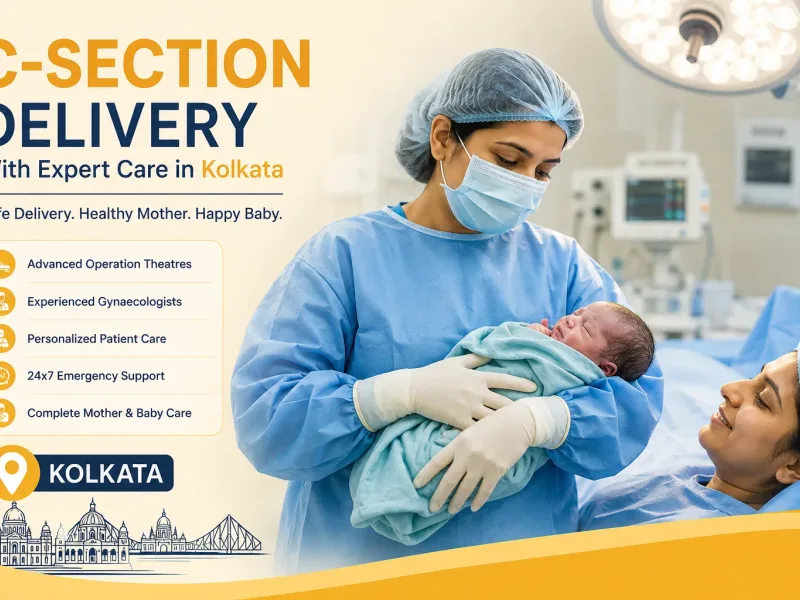
A cesarean section (C-section) is a surgical delivery in which a baby is born through an incision in the mother's abdomen and uterus. In Kolkata, several experienced obstetricians and well-equipped hospitals offer C-section services for planned and emergency deliveries. Understanding when a C-sectio
July 31, 2026
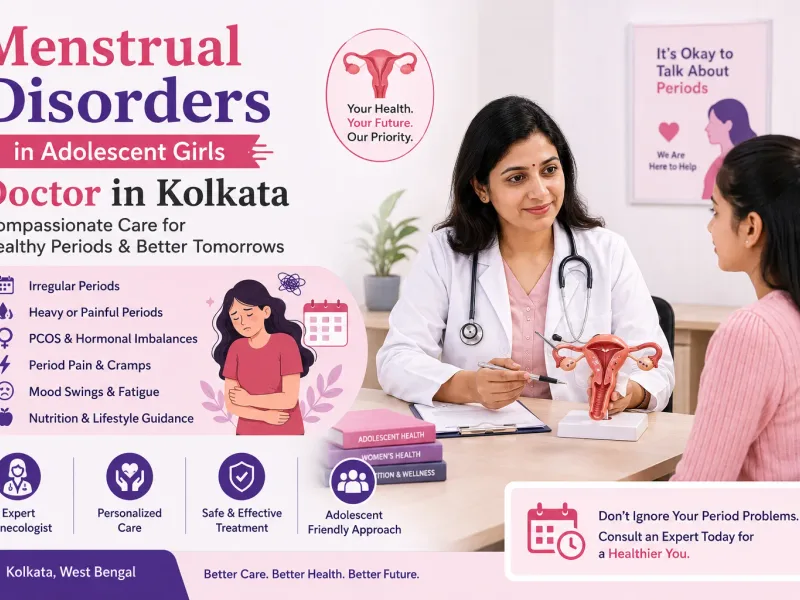
If you are searching for a Menstrual Disorders in Adolescent Girls Doctor in Kolkata, early evaluation by an experienced gynecologist can help identify the underlying cause of irregular or painful periods. While menstrual irregularities are common during the first few years after puberty, persistent
July 31, 2026
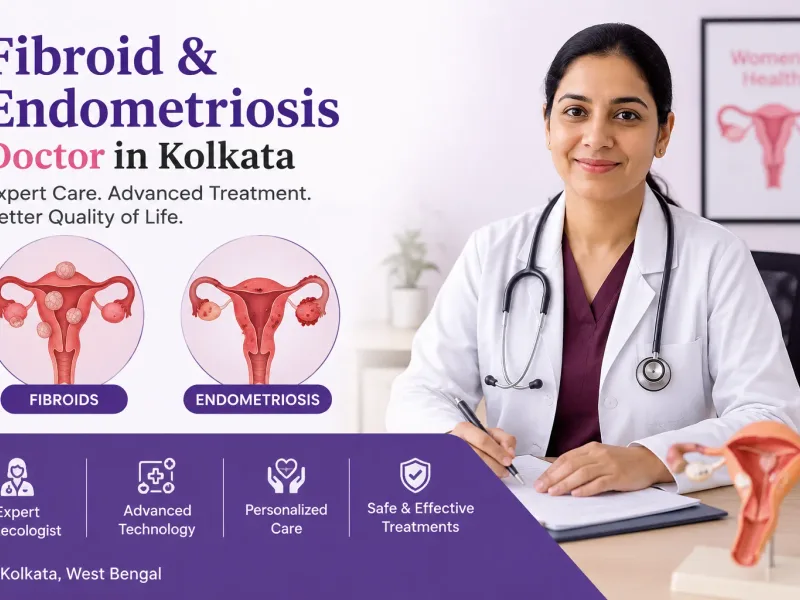
If you are searching for a Fibroid & Endometriosis doctor in Kolkata, choosing an experienced gynecologist with expertise in minimally invasive gynecological surgery is essential. Uterine fibroids and endometriosis are two common but different conditions that can cause pelvic pain, heavy menstrual b
July 31, 2026