

Emergency & Help
24/7 Emergency & General Advisory
🚨 24/7 Medical Emergency
Non-Emergency Advisory
10:00 AM – 6:00 PM, Mon–Sat
For appointments & general queries.
24/7 Emergency & General Advisory
🚨 24/7 Medical Emergency
Non-Emergency Advisory
10:00 AM – 6:00 PM, Mon–Sat
For appointments & general queries.
Explore the benefits, types, and considerations of postpartum girdles. Learn how these support garments can aid your recovery after childbirth and what to look for.
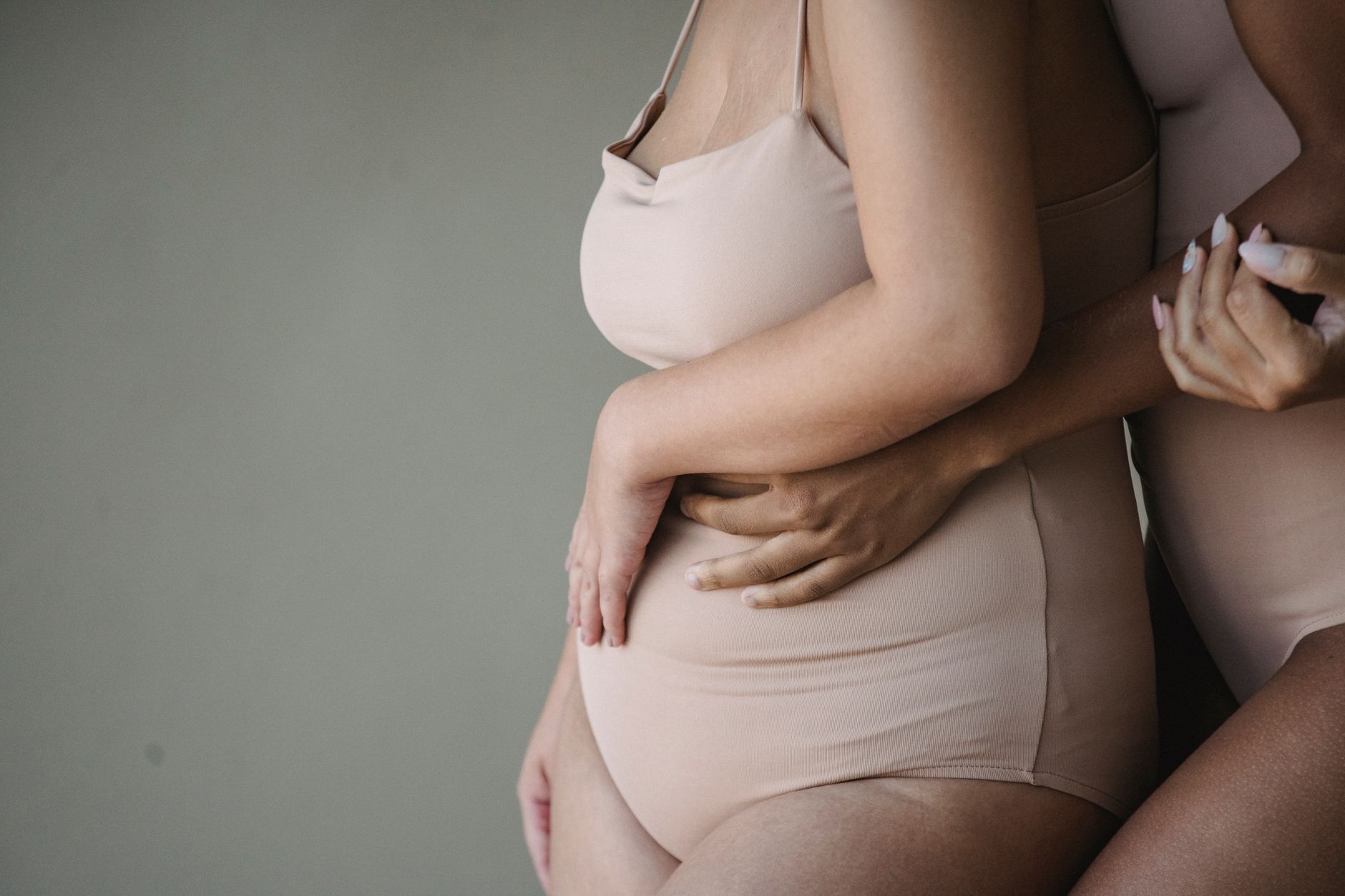
Bringing a new life into the world is an incredible journey, and the postpartum period is a time of significant physical and emotional adjustment for new mothers. Your body has undergone tremendous changes, and it's natural to seek ways to support your recovery. While the focus is often on the baby, your own well-being is paramount. One common aid many new mothers consider is a postpartum girdle, also known as an abdominal binder or belly wrap. These garments are designed to offer gentle support and compression to your abdomen and back, potentially aiding in your recovery after childbirth. It's essential to understand what they are, how they work, and what to look for if you're considering using one. Remember, your body is amazing, and it takes time to heal and adapt after pregnancy and birth. Give yourself grace and prioritize your comfort and health. Understanding Postpartum Recovery The postpartum period, often referred to as the 'fourth trimester,' typically lasts for about six weeks after delivery, but many women find that their bodies continue to recover and adapt for much longer. This period is characterized by fluctuating hormones, changes in sleep patterns (to say the least!), and the immense adjustments that come with caring for a newborn. If you are breastfeeding or chestfeeding, your body's needs for hydration and calories remain high. During this time, you might experience a range of physical sensations, including soreness, fatigue, and changes in your abdominal area. It's common for the abdominal muscles to separate during pregnancy, a condition known as diastasis recti. The uterus also needs time to contract back to its pre-pregnancy size. Postpartum support garments aim to provide external assistance during this natural healing process. What is a Postpartum Girdle? A postpartum girdle is essentially a supportive garment worn around the abdomen and sometimes the lower back. It provides compression and can help to hold everything in place, offering a sense of stability and comfort. These garments come in various forms, including: Belly Bands: These are typically simpler, elastic bands that wrap around the waist. Abdominal Binders: Often wider and more structured than belly bands, these can offer more targeted compression. Postpartum Corsets/Girdles: These are more comprehensive garments that can extend from under the bust down to the hips, providing full midsection support. The primary goal of these garments is to offer gentle external support. They are not designed to force your body back into its pre-pregnancy shape but rather to assist your body's natural recovery processes. The compression can help reduce swelling, provide back support, and offer a feeling of security as your abdominal muscles begin to regain tone. Benefits of Using a Postpartum Girdle While research on the efficacy of postpartum girdles is ongoing, many women report significant benefits. These can include: Reduced Pain and Discomfort: Some studies suggest that wearing a postpartum girdle, particularly after a Cesarean section, may help reduce pain and discomfort. The support can make movement, like getting out of bed, feel easier. Improved Posture: The compression can encourage better posture, which is often compromised in the postpartum period due to weakened core muscles and the demands of carrying a newborn. Support for Abdominal Muscles: For women experiencing diastasis recti, a girdle can provide external support to the weakened abdominal muscles, potentially aiding in their gradual recovery. Reduced Swelling: Gentle compression can help manage swelling in the abdominal area. A Sense of Security: Many mothers find the feeling of being 'held' by a supportive garment comforting during a time of significant physical change. A real-life scenario: Priya, a new mother who had a C-section, found it incredibly difficult to move around comfortably in the first few weeks. She felt a constant pulling sensation and was hesitant to cough or sneeze. After trying a postpartum girdle recommended by her nurse, she felt a significant difference. The gentle pressure eased her pain, and she could move more freely, making caring for her baby much less daunting. Choosing the Right Postpartum Girdle With so many options available, selecting the right postpartum girdle can feel overwhelming. Consider these factors: Type of Delivery If you had a Cesarean section, you might prefer a girdle that offers more comprehensive support and is designed to avoid irritating the incision site. Some longline girdles or abdominal binders with adjustable closures can be beneficial. Level of Support and Compression Look for garments that offer adjustable compression. You want support, not something that feels restrictively tight or makes it difficult to breathe. Overly tight garments can potentially cause harm. Material and Comfort Opt for breathable, soft materials, especially if you'll be wearing the girdle for extended periods. Bamboo charcoal wraps are known for their breathability and potential to manage moisture. Size Range Postpartum bodies vary greatly. Choose a brand that offers a wide range of sizes to ensure a proper, comfortable fit. Many brands provide detailed sizing charts based on your pre-pregnancy weight or current measurements. Specific Concerns If you are specifically dealing with diastasis recti or pelvic floor issues, look for girdles designed to offer targeted support for these conditions. However, remember that a girdle is an aid, not a cure. When to Consult a Healthcare Professional While postpartum girdles can be helpful for some women, they are not a substitute for professional medical advice and care. It is highly recommended to consult with your doctor, midwife, or a physical therapist specializing in postpartum recovery before using a girdle, especially if you have: Concerns about diastasis recti Pelvic floor dysfunction (e.g., urinary incontinence) Significant pain or discomfort Questions about your recovery progress A healthcare professional can assess your specific needs, recommend appropriate exercises, and advise on whether a support garment is suitable for you. They can also help you understand that a girdle provides external support but will not magically strengthen your core muscles. True recovery involves targeted exercises and time. Important Considerations and Warnings It's crucial to use postpartum girdles correctly and with awareness: Avoid Over-Tightening: A girdle should feel supportive, not painful. If it restricts your breathing, causes discomfort, or limits your range of motion, it's too tight. Listen to Your Body: If wearing a girdle causes any adverse effects, discontinue use and consult your doctor. Hygiene: Ensure you wash the garment regularly according to the manufacturer's instructions. Duration of Use: There is no one-size-fits-all answer for how long to wear a girdle. Many experts suggest using it for a few hours a day, particularly when you are most active, rather than wearing it 24/7. Your healthcare provider can offer guidance. Not a Magic Solution: Remember that a girdle is an accessory to support your recovery. It complements, but does not replace, the essential components of postpartum healing: rest, proper nutrition, hydration, and appropriate exercise. Popular Postpartum Girdle Options Here are a few types of postpartum support garments that have received positive feedback, keeping in mind that individual experiences may vary: Best for C-Section Recovery Bellefit Corset Postpartum Girdle: This FDA-registered medical device offers 360-degree support with front closures for easy adjustment. It's designed to provide support across the midsection, back, and pelvic floor, making it a strong contender for those recovering from surgical delivery. Best Budget-Friendly Option AltroCare Postpartum Abdominal Binder: For those seeking effective support without a high price tag, this abdominal binder is often cited as a good value. It provides firm compression and is adjustable. Best for Diastasis Recti Boujee Baby Belly Band: This band is often recommended for its ability to provide focused support to the abdominal area, which can be beneficial for women managing diastasis recti. Best for Plus Sizes Everyday Medical Plus Size Abdominal Binder: This binder is designed to accommodate a wider range of body shapes and sizes, offering excellent support and comfort for larger individuals. Best for Bloat UpSpring Shrinkx Belly Bamboo Charcoal Belly Wrap: Made with bamboo charcoal, this wrap is known for its breathability and moisture-wicking properties, which can help manage discomfort associated with postpartum bloat. Best Splurge Option Belly Bandit Viscose from Bamboo Belly Wrap: While a higher investment, the Belly Bandit offers premium comfort and support, often praised for its soft bamboo fabric and effective compression. Frequently Asked Questions (FAQ) Q1: Can I wear a postpartum girdle immediately after giving birth? A1: It's best to consult with your healthcare provider. For vaginal births, some women find relief soon after. For C-sections, your doctor will advise when it's safe to start wearing one, usually after the initial incision healing begins. Q2: How long should I wear a postpartum girdle each day? A2: This varies, but many healthcare professionals recommend wearing it for a few hours a day, especially during periods of activity, rather than continuously. Always follow your doctor's advice. Q3: Will a postpartum girdle help me lose weight? A3: Postpartum girdles do not cause weight loss. They offer support and compression, which can help with perceived body shaping and comfort, but they do not burn fat or reduce body weight. Q4: What's the difference between a postpartum girdle and a regular
In summary, timely diagnosis, evidence-based treatment, and prevention-focused care improve long-term health outcomes.
Visit Hospital
Near You

A cesarean section (C-section) is a surgical delivery in which a baby is born through an incision in the mother's abdomen and uterus. In Kolkata, several experienced obstetricians and well-equipped hospitals offer C-section services for planned and emergency deliveries. Understanding when a C-sectio
July 31, 2026
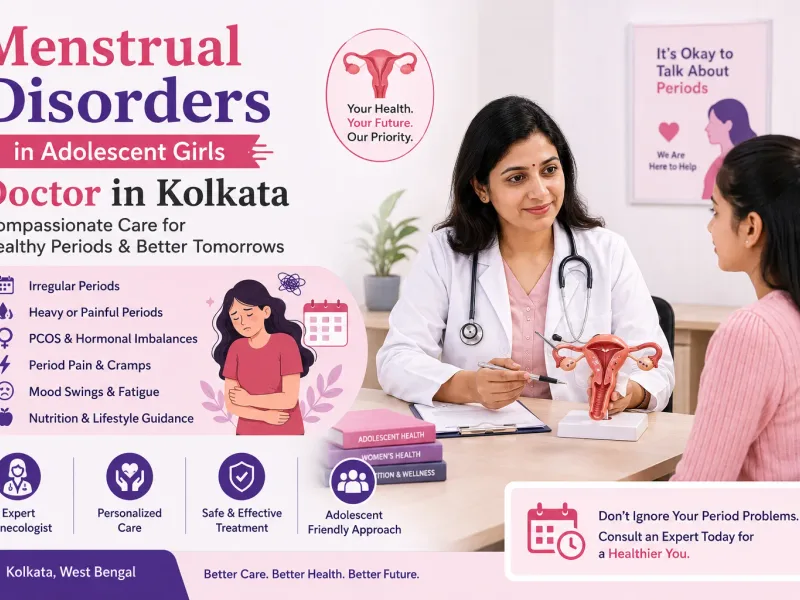
If you are searching for a Menstrual Disorders in Adolescent Girls Doctor in Kolkata, early evaluation by an experienced gynecologist can help identify the underlying cause of irregular or painful periods. While menstrual irregularities are common during the first few years after puberty, persistent
July 31, 2026
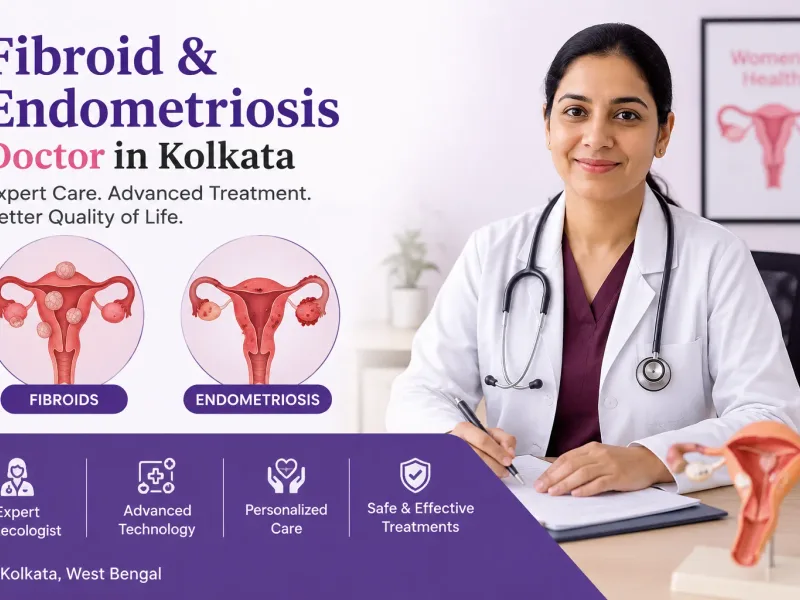
If you are searching for a Fibroid & Endometriosis doctor in Kolkata, choosing an experienced gynecologist with expertise in minimally invasive gynecological surgery is essential. Uterine fibroids and endometriosis are two common but different conditions that can cause pelvic pain, heavy menstrual b
July 31, 2026