

Emergency & Help
24/7 Emergency & General Advisory
🚨 24/7 Medical Emergency
Non-Emergency Advisory
10:00 AM – 6:00 PM, Mon–Sat
For appointments & general queries.
24/7 Emergency & General Advisory
🚨 24/7 Medical Emergency
Non-Emergency Advisory
10:00 AM – 6:00 PM, Mon–Sat
For appointments & general queries.
Understand your reproductive health options and how to protect yourself and support others in the evolving landscape of reproductive rights. Practical advice for Indian readers.
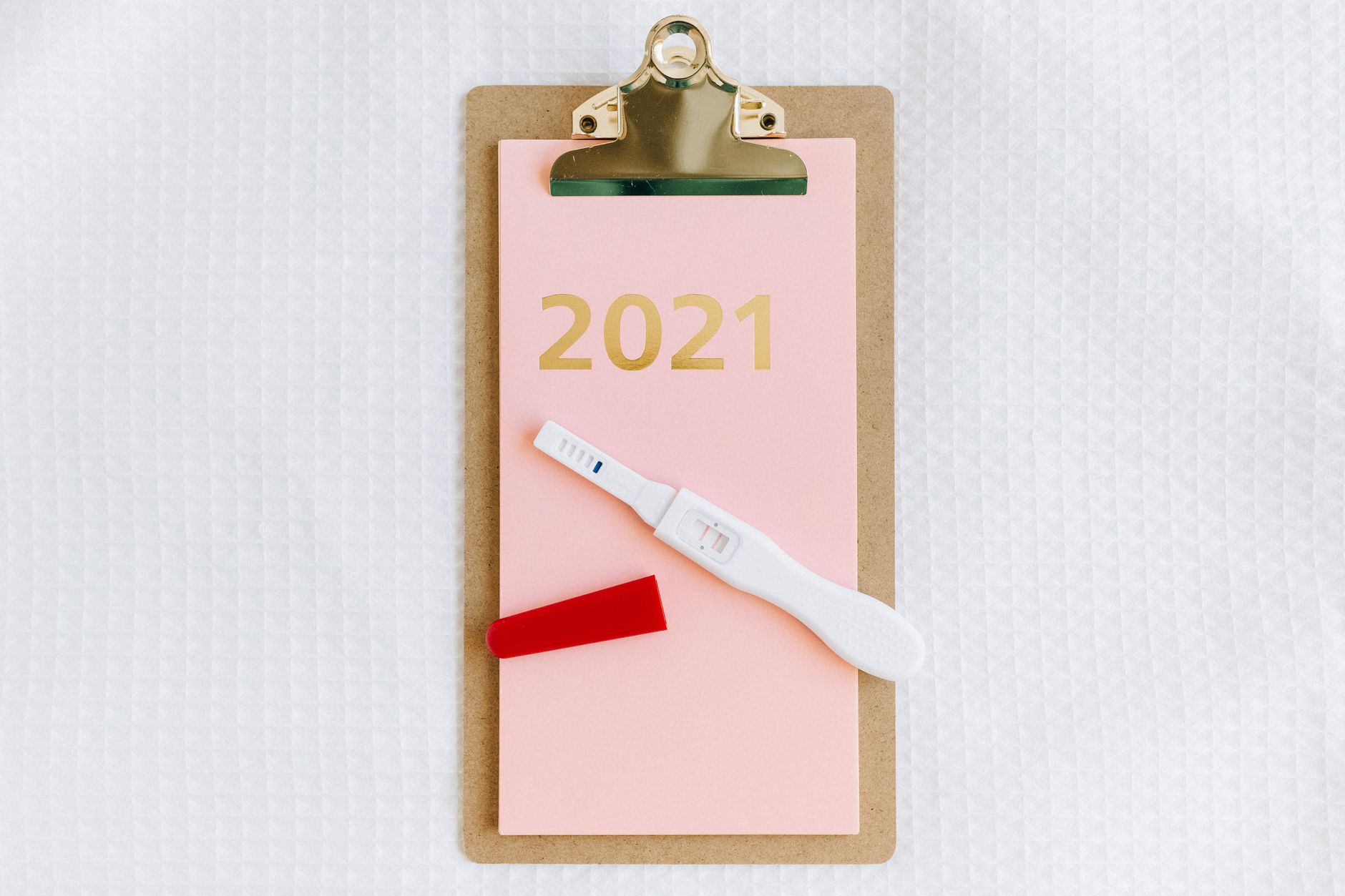
The Supreme Court's decision to overturn Roe v. Wade in June 2022 has significantly altered the landscape of reproductive rights in the United States, granting individual states the power to regulate or ban abortion. While this ruling directly impacts the US, it raises important conversations about reproductive health, access to contraception, and the importance of informed choices for individuals worldwide, including in India. This guide aims to provide clear, practical information for Indian readers on understanding their reproductive health options and how to protect themselves and support others in the current climate.
For nearly 50 years, Roe v. Wade (1973) was a landmark Supreme Court decision that recognized a person's constitutional right to an abortion. This ruling established a framework for abortion access, generally allowing it before fetal viability. The overturning of this decision means that the legality and accessibility of abortion are now determined by individual states in the US, leading to significant variations in access. This shift underscores the importance of understanding reproductive rights and the measures individuals can take to ensure their reproductive autonomy.
The overturning of Roe v. Wade has led to immediate bans or severe restrictions on abortion in several US states. This has created a complex and often distressing situation for individuals seeking reproductive healthcare. Beyond abortion access, concerns have also arisen regarding the availability and legality of certain forms of contraception and emergency contraception. It is crucial for individuals to stay informed about the laws and regulations in their specific regions and to understand the options available to them.
In light of these changes, proactive measures are essential for individuals who can become pregnant and their partners. These strategies focus on preventing unintended pregnancies and ensuring access to reproductive healthcare services.
The most effective way to prevent unintended pregnancy is through the consistent and correct use of reliable contraception. This includes:
Emergency contraception is a crucial tool for preventing pregnancy after unprotected sex or contraceptive failure. It is important to understand the different types available and how they work:
Important Note: Emergency contraception is not an abortion pill and does not end an existing pregnancy. It works by preventing or delaying ovulation. It is advisable to keep a supply of EC on hand for emergencies.
Open and honest conversations about sexual health, contraception, and reproductive intentions are paramount. This includes discussing:
Shared decision-making and responsibility can alleviate the burden on any one individual and foster healthier relationships.
Reproductive laws and healthcare access can vary significantly. It is essential to:
The overturning of Roe v. Wade has a ripple effect, and supporting others is crucial. Here’s how you can help:
It is always advisable to consult with a healthcare professional for any concerns related to your reproductive health. Seek medical advice if you:
A1: No. Emergency contraception (EC) works by preventing or delaying ovulation, thus preventing pregnancy. Abortion pills are used to terminate an existing pregnancy.
A2: Condoms are highly effective when used correctly and consistently, but no contraceptive method is 100% foolproof. Using condoms along with another form of contraception can further reduce the risk of pregnancy.
A3: Levonorgestrel pills are most effective within 72 hours (3 days) of unprotected sex, while ulipristal acetate pills are effective up to 120 hours (5 days). The copper IUD can be used as emergency contraception for up to 5 days after unprotected sex.
A4: For some individuals with a higher BMI (155 pounds or more, or BMI of 30 or higher), certain types of emergency contraception, like levonorgestrel pills or ulipristal acetate pills, may be less effective or require a different dosage. Discussing your options with a healthcare provider is recommended.
A5: Reliable sources include government health portals (e.g., Ministry of Health and Family Welfare), reputable NGOs focused on sexual and reproductive health, and qualified healthcare professionals. Be cautious of information from unverified sources.
Visit Hospital
Near You
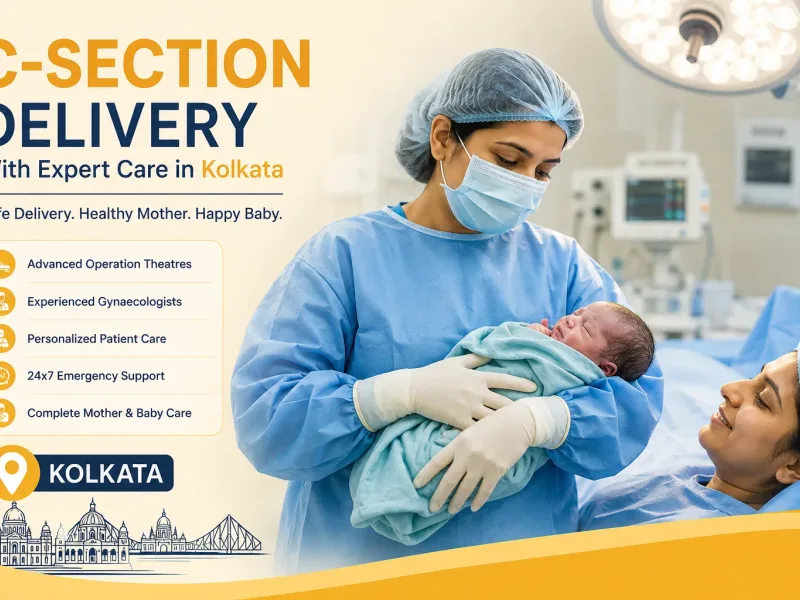
A cesarean section (C-section) is a surgical delivery in which a baby is born through an incision in the mother's abdomen and uterus. In Kolkata, several experienced obstetricians and well-equipped hospitals offer C-section services for planned and emergency deliveries. Understanding when a C-sectio
July 31, 2026
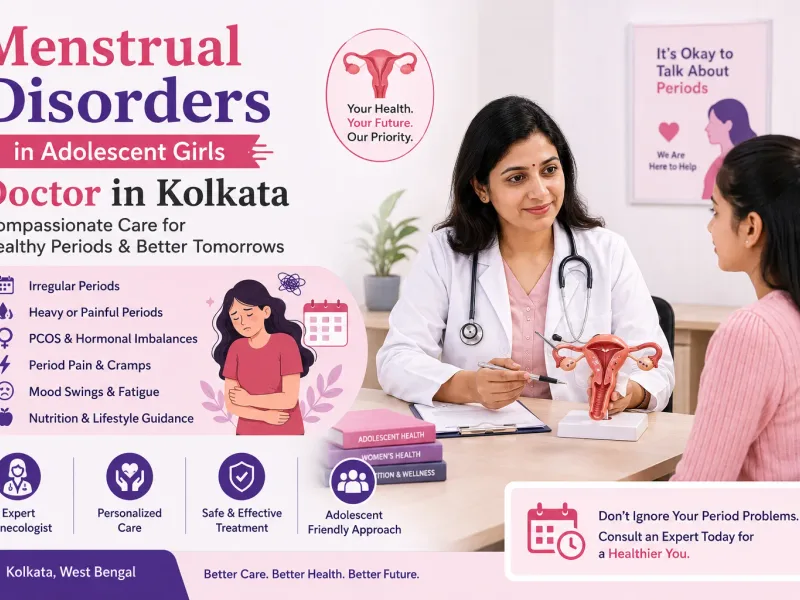
If you are searching for a Menstrual Disorders in Adolescent Girls Doctor in Kolkata, early evaluation by an experienced gynecologist can help identify the underlying cause of irregular or painful periods. While menstrual irregularities are common during the first few years after puberty, persistent
July 31, 2026
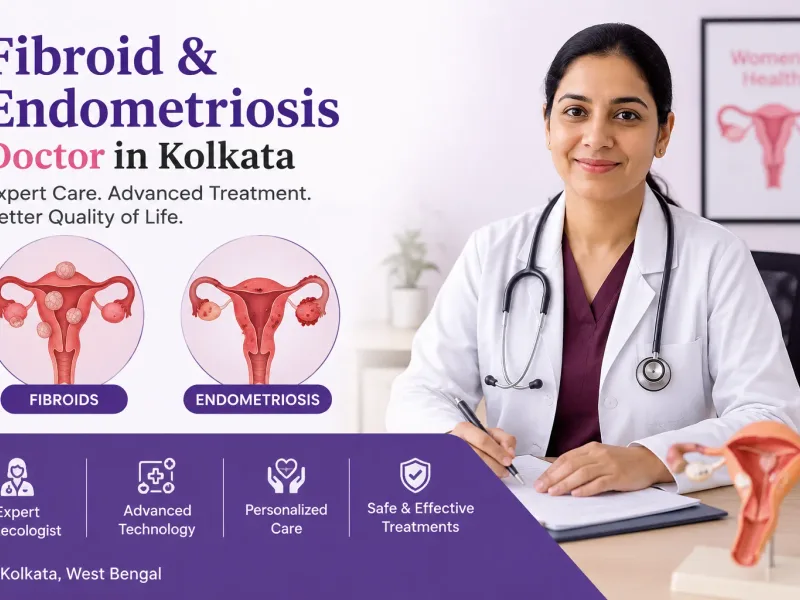
If you are searching for a Fibroid & Endometriosis doctor in Kolkata, choosing an experienced gynecologist with expertise in minimally invasive gynecological surgery is essential. Uterine fibroids and endometriosis are two common but different conditions that can cause pelvic pain, heavy menstrual b
July 31, 2026