

Emergency & Help
24/7 Emergency & General Advisory
🚨 24/7 Medical Emergency
Non-Emergency Advisory
10:00 AM – 6:00 PM, Mon–Sat
For appointments & general queries.
24/7 Emergency & General Advisory
🚨 24/7 Medical Emergency
Non-Emergency Advisory
10:00 AM – 6:00 PM, Mon–Sat
For appointments & general queries.
Exploring the profound experience of pregnancy and infant loss, this guide emphasizes the healing power of sharing personal stories and offers support for grieving parents.

Pregnancy and infant loss, a profoundly heart-wrenching experience, touches more lives than many realize. While statistics suggest that over 25% of pregnancies may end in miscarriage, this figure often doesn't encompass stillbirths or the loss of an infant shortly after birth. These are not mere numbers; they represent dreams shattered, futures unlived, and a deep, often unspoken, grief. October is recognized as Pregnancy and Infant Loss Awareness Month. Similar to Breast Cancer Awareness Month, its purpose is to illuminate the prevalence of these losses and to encourage empathy and understanding through the sharing of personal narratives. For many, this month brings the pain closer to home. The author herself has experienced this loss four times, a reality she doesn't shy away from, having openly discussed her rainbow and sunshine babies. Yet, the grief doesn't neatly conclude with the end of the awareness month. The sadness within remains, a constant companion that cannot be confined to a hashtag or neatly put away until the following year. Every individual navigates this sorrow uniquely, their stories weaving the intricate anthology of pregnancy and infant loss.
What is often missing in these conversations is the unashamed, open sharing of personal journeys through grief. Stories told by those willing to bravely guide us through their pain, unintentionally granting us permission to acknowledge our own. Rachael Maier's memoir, “Bowing to Light: A Mother’s Journey Through Grief,” exemplifies this need for authentic narratives. Her honest, raw, and deeply emotional account of losing her daughter, Elora, is a testament to the power of vulnerability. Maier's prose is beautifully poetic, drawing readers into her world, her grief, and her enduring love for her child. Through her story, readers gain a deeper understanding not only of her experience but also of their own capacity for empathy and resilience.
In an interview, Maier shared her motivations for writing her memoir. The profound disconnect she experienced when seeking solace from medical professionals after her loss was a significant catalyst. She recounts asking her surgeon if she had seen her daughter, Elora, only to receive a response focused on medical findings – a response that, while factually accurate, was emotionally void and deeply unhelpful in her moment of acute grief. This highlights a critical gap in how healthcare providers can support grieving parents. The need for compassionate, emotionally attuned communication cannot be overstated.
The journey through grief is isolating, and it often tests relationships. Maier acknowledges that many couples face immense strain after such a loss, with some relationships fracturing under the pressure. The shared trauma can either strengthen bonds or expose pre-existing vulnerabilities. Navigating this together requires immense communication, patience, and mutual understanding. It's a path where individual grieving processes can diverge, necessitating a conscious effort to remain connected.
Sharing her story publicly, Maier found, was not the immediate release she had anticipated. While she expected pressing “publish” to signify an end to her grief and a clear path forward, the reality was different. The memoir’s release brought an outpouring of connection from others who had experienced similar losses. This engagement, while deeply meaningful, was also initially overwhelming, as she transitioned from intense introspection to active dialogue about her most painful experiences. It underscores the dual nature of sharing: it can be healing but also re-exposes raw wounds.
The author draws a powerful parallel between the fear of childbirth and the fear of releasing her book. Just as expectant mothers can feel overwhelmed by the impending pain of labor, Maier felt a similar trepidation about releasing her deeply personal story into the world. Having completed the manuscript months before its release, the final act of sharing felt monumental. Yet, as the book found its audience, it began to resonate, offering comfort and validation to others. This act of courage, in turn, empowers others to confront their own pain and find their voices.
Pregnancy and infant loss encompasses a range of experiences, including miscarriage, ectopic pregnancy, stillbirth, and the death of a newborn or infant. Each of these events carries a unique and profound emotional weight. It's a loss that is often invisible to the outside world, making the grieving process even more challenging. Society often struggles to acknowledge or validate this specific type of grief, leading to feelings of isolation and misunderstanding for those affected.
While precise figures are difficult to ascertain, estimates suggest that a significant percentage of pregnancies end before viability. However, these statistics often fail to capture the full emotional impact. The loss of a child, whether at 8 weeks gestation or after birth, is the loss of a future, a family dynamic, and a deeply cherished connection. The societal tendency to minimize these losses or expect rapid recovery can exacerbate the pain.
Grief following pregnancy and infant loss is not linear. It is a complex, multifaceted emotional response that can include intense sadness, anger, guilt, confusion, and numbness. It affects individuals differently, influenced by personal history, support systems, and the specific circumstances of the loss. There is no
This section adds practical context and preventive advice to help readers make informed healthcare decisions. It is important to verify symptoms early, consult qualified doctors, and avoid self-medication for persistent health issues.
Maintaining healthy routines, following prescribed treatment plans, and attending regular checkups can improve outcomes. If symptoms worsen or red-flag signs appear, immediate medical evaluation is recommended.
Track symptoms and duration.
Follow diagnosis and treatment from a licensed practitioner.
Review medication side effects with your doctor.
Seek urgent care for severe warning signs.
Visit Hospital
Near You
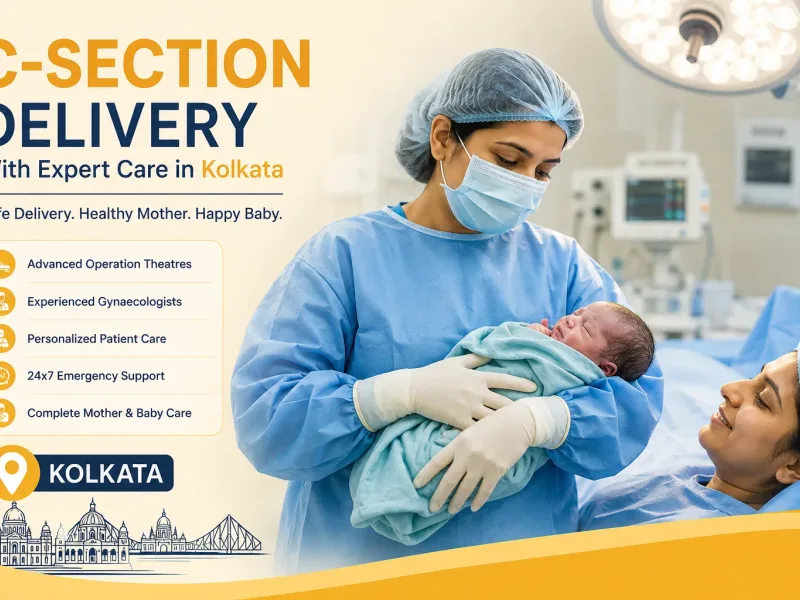
A cesarean section (C-section) is a surgical delivery in which a baby is born through an incision in the mother's abdomen and uterus. In Kolkata, several experienced obstetricians and well-equipped hospitals offer C-section services for planned and emergency deliveries. Understanding when a C-sectio
July 31, 2026
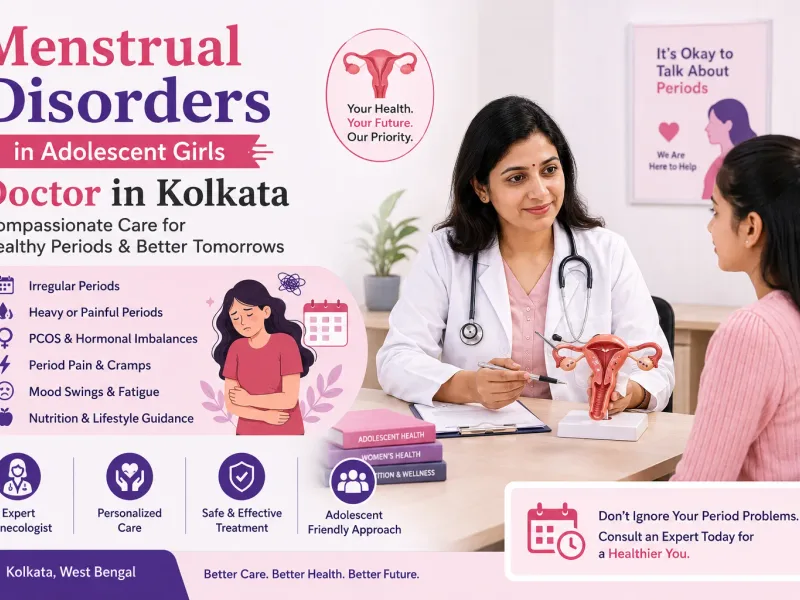
If you are searching for a Menstrual Disorders in Adolescent Girls Doctor in Kolkata, early evaluation by an experienced gynecologist can help identify the underlying cause of irregular or painful periods. While menstrual irregularities are common during the first few years after puberty, persistent
July 31, 2026
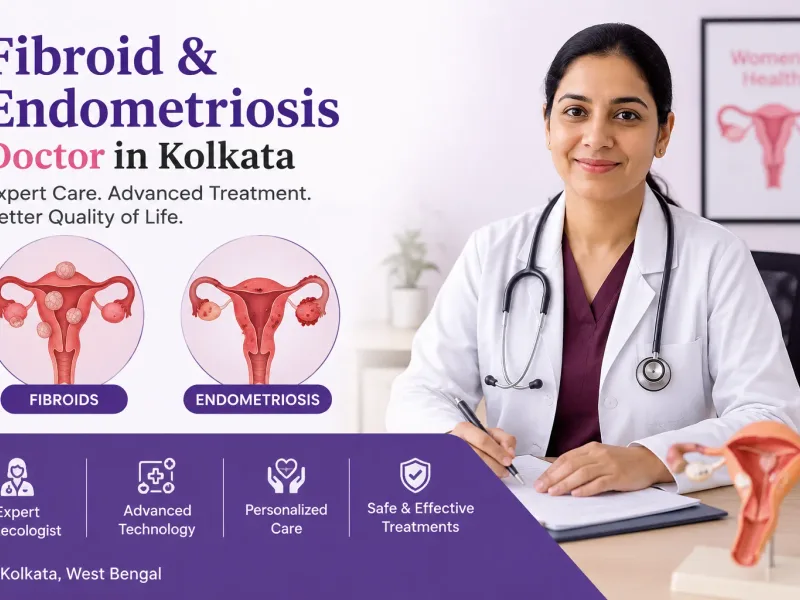
If you are searching for a Fibroid & Endometriosis doctor in Kolkata, choosing an experienced gynecologist with expertise in minimally invasive gynecological surgery is essential. Uterine fibroids and endometriosis are two common but different conditions that can cause pelvic pain, heavy menstrual b
July 31, 2026