

Emergency & Help
24/7 Emergency & General Advisory
🚨 24/7 Medical Emergency
Non-Emergency Advisory
10:00 AM – 6:00 PM, Mon–Sat
For appointments & general queries.
24/7 Emergency & General Advisory
🚨 24/7 Medical Emergency
Non-Emergency Advisory
10:00 AM – 6:00 PM, Mon–Sat
For appointments & general queries.
Stay updated with our latest healthcare news and your appointments.
Explore the potential link between birth control and overactive bladder (OAB). Understand OAB symptoms, how hormones affect bladder function, and if contraceptives can contribute. Learn about diagnosis, treatment, and when to consult a doctor for bladder concerns.

For many women, birth control is an essential part of reproductive health planning, offering control over family size and managing various gynecological conditions. Simultaneously, conditions like Overactive Bladder (OAB) can significantly impact daily life, characterized by a sudden, compelling urge to urinate that is difficult to defer. It’s natural for individuals experiencing OAB symptoms while on birth control to wonder if there's a connection between the two. This comprehensive article delves into the intricate relationship between hormonal contraceptives and bladder function, exploring the science, symptoms, diagnosis, and management strategies for OAB, with a particular focus on how birth control might play a role.
We will examine the physiological mechanisms of OAB, the diverse ways birth control methods work, and the current understanding of how hormonal fluctuations can influence urinary tract health. Our goal is to provide a factual, well-structured resource to help you understand this complex topic and empower you to have informed discussions with your healthcare provider.
Overactive Bladder (OAB) is a common, chronic condition defined by a collection of urinary symptoms, primarily urinary urgency, often accompanied by frequency and nocturia (waking up at night to urinate), with or without urge incontinence (involuntary leakage of urine preceded by urgency), in the absence of a urinary tract infection (UTI) or other obvious disease. It significantly affects millions of people worldwide, impacting their quality of life, sleep, and social activities.
These symptoms are not merely an inconvenience; they can lead to anxiety, depression, social isolation, and a reduced quality of life. Understanding these symptoms is the first step toward seeking appropriate diagnosis and management.
Birth control encompasses a wide array of methods designed to prevent pregnancy, many of which involve hormones. These hormones, primarily estrogen and progestin (a synthetic form of progesterone), work in various ways to achieve their contraceptive effect.
Each method delivers hormones differently and can result in varying systemic hormone levels, which is crucial when considering their potential impact on other bodily systems, including the urinary tract.
The question of whether birth control can cause or exacerbate OAB symptoms is complex and not fully understood, with research yielding mixed results. However, there are plausible biological mechanisms through which hormonal contraceptives could theoretically influence bladder function.
The urinary tract, particularly the bladder and urethra, is rich in hormone receptors, especially for estrogen and progesterone. These hormones play a vital role in maintaining the health, elasticity, and function of the urinary system.
Given the hormonal influence on the bladder, changes in hormone levels due to birth control could potentially affect urinary function:
Visit Hospital
Near You

A cesarean section (C-section) is a surgical delivery in which a baby is born through an incision in the mother's abdomen and uterus. In Kolkata, several experienced obstetricians and well-equipped hospitals offer C-section services for planned and emergency deliveries. Understanding when a C-sectio
July 31, 2026
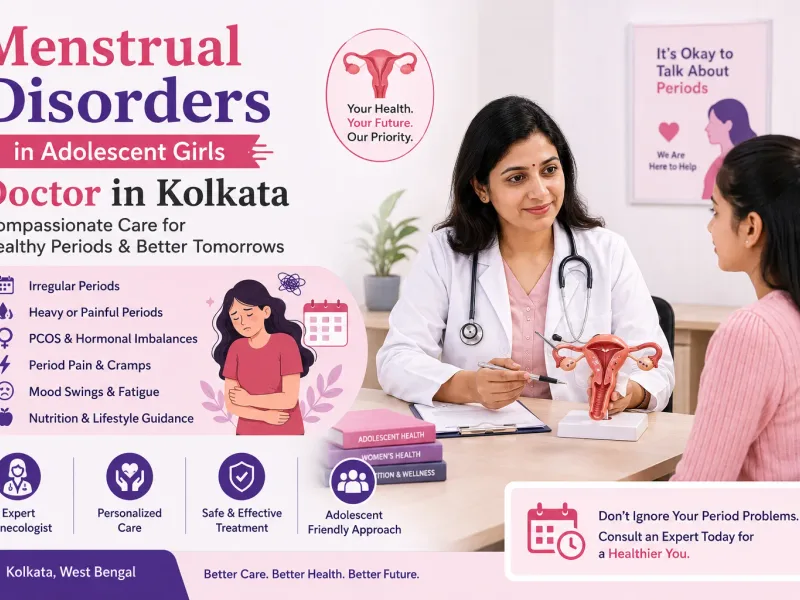
If you are searching for a Menstrual Disorders in Adolescent Girls Doctor in Kolkata, early evaluation by an experienced gynecologist can help identify the underlying cause of irregular or painful periods. While menstrual irregularities are common during the first few years after puberty, persistent
July 31, 2026

If you are searching for a Fibroid & Endometriosis doctor in Kolkata, choosing an experienced gynecologist with expertise in minimally invasive gynecological surgery is essential. Uterine fibroids and endometriosis are two common but different conditions that can cause pelvic pain, heavy menstrual b
July 31, 2026