

Emergency & Help
24/7 Emergency & General Advisory
🚨 24/7 Medical Emergency
Non-Emergency Advisory
10:00 AM – 6:00 PM, Mon–Sat
For appointments & general queries.
24/7 Emergency & General Advisory
🚨 24/7 Medical Emergency
Non-Emergency Advisory
10:00 AM – 6:00 PM, Mon–Sat
For appointments & general queries.
A detailed guide to breast augmentation recovery for Indian readers, covering the timeline, potential complications, incision care, and long-term considerations.

Breast augmentation, often referred to as augmentation mammoplasty, is a surgical procedure chosen by many women to enhance their breast size and improve their overall body contour. While the decision to undergo this surgery is deeply personal, understanding the recovery process is vital for a smooth and successful outcome. This guide aims to provide clear, practical information for Indian readers about what to expect after breast augmentation surgery, focusing on healing, potential challenges, and how to support your body's recovery journey.
The road to recovery after breast augmentation surgery is a gradual one, and it's essential to remember that each individual heals at their own pace. Generally, you can expect the most significant recovery period to last between 4 to 8 weeks. However, this timeline can be influenced by various factors, including your overall health, the surgical technique used, and whether any complications arise. Your surgeon will provide a personalized recovery plan, but this general overview will help you prepare.
The initial 3 to 5 days following your surgery will likely be the most uncomfortable. You will experience some pain, swelling, and possibly tightness, especially if implants were placed under the chest muscle. Don't worry; this is normal. Your surgical team will have prescribed pain medication to manage discomfort effectively. You'll also likely have your breasts supported by a surgical bra or elastic bandage to minimize movement and aid healing. Minor bleeding from the incision sites is also common and typically resolves on its own. You'll need someone to drive you home, and it's advisable to rest and avoid any strenuous activity.
Scenario: Priya underwent her breast augmentation surgery on a Monday. By Wednesday, she was still feeling quite sore and found it difficult to lift her arms above her head. Her husband helped her with daily tasks, and she focused on resting, taking her prescribed pain medication, and following her surgeon's instructions for incision care.
As you move into the first week, the intense pain should begin to subside. You may find that over-the-counter pain relievers are sufficient to manage any lingering discomfort. Swelling will also start to decrease, though it will remain noticeable. Your surgeon will likely advise you on when it's safe to shower and how to care for your incisions. Light activities, such as short walks, are often encouraged to promote circulation and help prevent blood clots, provided your surgeon approves. You'll need to continue wearing your surgical bra or support garment consistently.
By the second week, most women can manage their pain with milder medication. The most significant discomfort should be gone, although some soreness and swelling may persist. Your surgeon will guide you on when you can gradually resume more normal activities. This typically includes returning to work if your job isn't physically demanding. However, you must continue to avoid heavy lifting (generally anything over 5-10 pounds) and high-impact exercises like running or intense gym workouts. You might feel ready to drive again, but always seek your surgeon's clearance first. If you drink alcohol, discuss with your doctor when it's safe to resume, ensuring you never mix alcohol with pain medications.
Around the sixth week mark, you should notice a significant improvement. You might be able to lift slightly heavier objects, but it's crucial to listen to your body. If an activity causes pain or discomfort, stop. Your surgeon will likely assess your healing progress and advise on when you can start reintroducing more vigorous exercise, but always do so gradually.
The journey towards full recovery often extends to about 2 months post-surgery. By this time, most of the swelling should have resolved, and the implants should feel more natural. You should be able to engage in most of your regular activities, including returning to a fitness routine. However, remember that every body is unique. Some individuals may require a bit more time to feel completely back to normal. Continue to follow your surgeon's advice and attend any scheduled follow-up appointments.
Like any surgical procedure, breast augmentation carries potential risks. While most patients have a smooth recovery, it's important to be aware of possible complications:
If you notice any of these signs or have concerns about your recovery, contact your surgeon immediately. Prompt medical attention can often prevent minor issues from becoming major problems.
Proper incision care is paramount to prevent infection and minimize scarring. Your surgeon will provide specific instructions, which may include:
While routine follow-up appointments are scheduled, you should contact your surgeon promptly if you experience any of the following:
Breast implants are not considered lifetime devices. On average, they last about 10 to 15 years, though some may last longer or require replacement sooner. Factors like rupture, leakage, or capsular contracture can necessitate replacement surgery. Regular check-ups with your surgeon are important to monitor the condition of your implants and discuss any necessary future procedures.
Your surgeon will specify this, but typically, you'll wear it continuously for the first few weeks, even while sleeping, to provide essential support and minimize swelling.
For the first few weeks, it's best to sleep on your back to avoid putting pressure on your breasts. Your surgeon will advise when it's safe to gradually return to side sleeping.
Yes, all surgeries leave scars. The visibility depends on the incision placement, your body's healing process, and how well you follow post-operative care instructions. Surgeons strive to place incisions in inconspicuous areas.
Most women can resume sexual activity after 4-6 weeks, or when they feel comfortable and have their surgeon's approval. Avoid any positions that put direct pressure on your breasts.
Recovering from breast augmentation surgery requires patience and diligent self-care. By understanding the expected timeline, potential challenges, and following your surgeon's guidance closely, you can navigate this period with confidence and work towards achieving the best possible results.
Visit Hospital
Near You
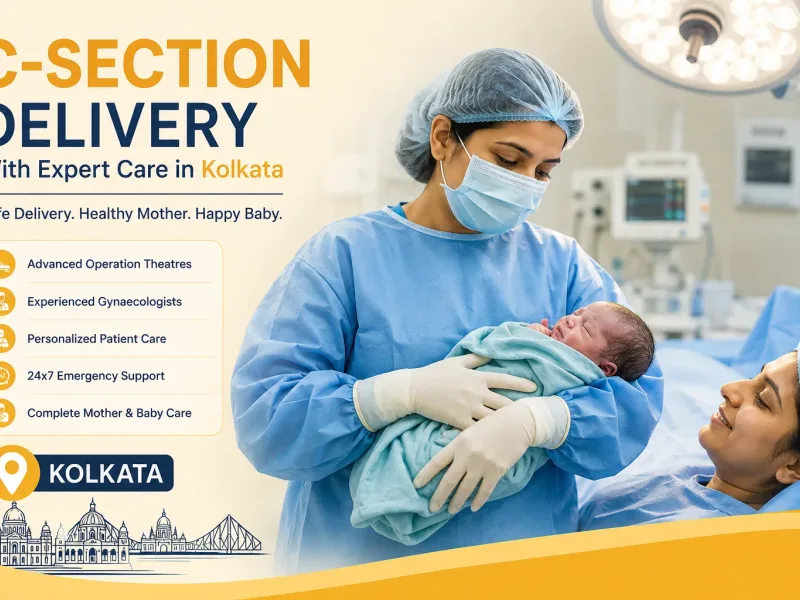
A cesarean section (C-section) is a surgical delivery in which a baby is born through an incision in the mother's abdomen and uterus. In Kolkata, several experienced obstetricians and well-equipped hospitals offer C-section services for planned and emergency deliveries. Understanding when a C-sectio
July 31, 2026

If you are searching for a Menstrual Disorders in Adolescent Girls Doctor in Kolkata, early evaluation by an experienced gynecologist can help identify the underlying cause of irregular or painful periods. While menstrual irregularities are common during the first few years after puberty, persistent
July 31, 2026
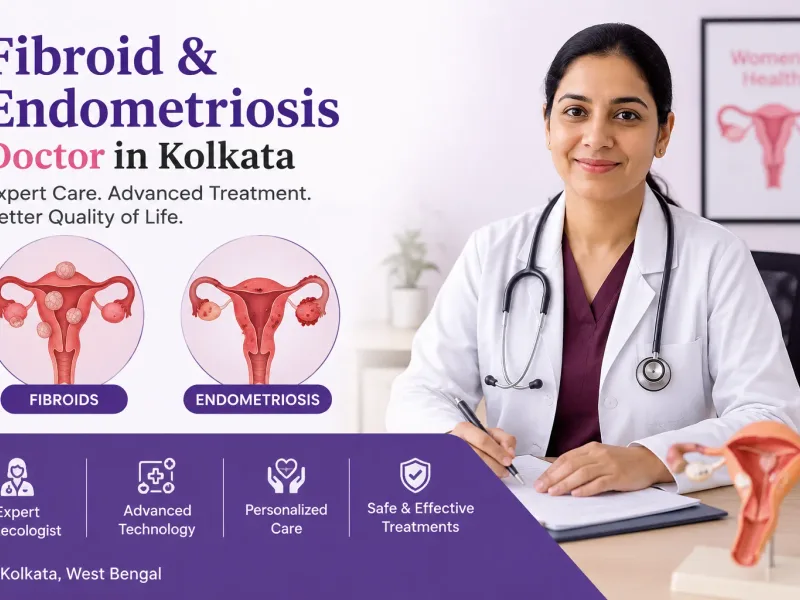
If you are searching for a Fibroid & Endometriosis doctor in Kolkata, choosing an experienced gynecologist with expertise in minimally invasive gynecological surgery is essential. Uterine fibroids and endometriosis are two common but different conditions that can cause pelvic pain, heavy menstrual b
July 31, 2026