

Emergency & Help
24/7 Emergency & General Advisory
🚨 24/7 Medical Emergency
Non-Emergency Advisory
10:00 AM – 6:00 PM, Mon–Sat
For appointments & general queries.
24/7 Emergency & General Advisory
🚨 24/7 Medical Emergency
Non-Emergency Advisory
10:00 AM – 6:00 PM, Mon–Sat
For appointments & general queries.
Considering nipple piercings or already have one? Learn how nipple piercings can affect breastfeeding, potential risks like infection and milk flow issues, and when to get pierced for a smooth breastfeeding journey.

For many women, nipple piercings are a form of self-expression and personal adornment. However, if you are pregnant, planning to become pregnant, or currently breastfeeding, you might wonder how these piercings interact with nursing your baby. It's a valid concern, and understanding the potential impacts can help you make informed decisions. This guide will explore whether nipple piercings affect breastfeeding, the safety considerations, and what you need to know if you have a piercing or are considering getting one.
The short answer is yes, you can generally breastfeed with a nipple piercing. However, there are important caveats. The most critical factor is the healing time of the piercing. A nipple piercing can take a significant amount of time to heal – anywhere from 6 months to a full year. During this healing period, it's essential to avoid breastfeeding through the piercing. Saliva contains bacteria, and introducing these to an open wound increases the risk of infection for both you and your baby. Therefore, the general recommendation is to wait until your piercing has completely healed before attempting to breastfeed through it.
It's also worth noting that most reputable piercers will not perform nipple piercings on individuals who are pregnant or breastfeeding. This is primarily due to the extended healing time and the potential complications that can arise during these sensitive periods.
Nipple piercings typically do not directly impact your ability to produce breast milk. Milk is manufactured in the mammary glands, which are located within the breast tissue, behind the nipple. These glands function independently of whether you have a piercing. However, a piercing can sometimes interfere with the flow of milk. This occurs if the piercing irritates or slightly damages the tiny milk ducts that transport milk from the mammary glands to the nipple opening. When these ducts are blocked or compromised, milk may not flow as freely. This is not a universal experience; many women with healed nipple piercings breastfeed without any issues related to milk flow.
While breastfeeding with a healed nipple piercing is often safe, there are potential complications to be aware of:
One potential issue is scarring. Even if not visible externally, internal scarring can occur around the piercing site. This scar tissue can potentially block milk ducts, hindering milk flow. The risk of scarring may increase with multiple piercings in a single nipple.
Nipple piercings can create an entry point for bacteria, increasing the risk of breast infections. Maintaining excellent hygiene is paramount. If bacteria, such as Staphylococcus aureus (commonly found on the skin), enter the piercing site, it can lead to:
Infections require prompt medical attention. Mastitis may sometimes resolve on its own, but breast infections and abscesses typically need antibiotic treatment prescribed by a doctor.
An older piercing that has created a persistent hole in the nipple might lead to milk leakage from the piercing site itself. This can be managed with nursing pads, but it's an additional factor to consider.
Some women experience pain or discomfort during breastfeeding if the baby's latch is affected by the piercing, or if the piercing site is still sensitive.
Given the healing time and potential risks, the best approach is to plan your piercings carefully around your breastfeeding journey:
Avoid Piercing While Pregnant or Breastfeeding: As mentioned, most piercers will decline to pierce nipples during pregnancy or while breastfeeding due to the extended healing time (up to 12 months) and the need for a healthy, uncompromised immune system.
Plan Ahead: If you are considering a nipple piercing and plan to have children in the future, it's advisable to get it done well in advance of trying to conceive or becoming pregnant. This allows ample time for complete healing before pregnancy and breastfeeding begin.
Wait for Healing: If you already have a nipple piercing and are planning to breastfeed, ensure it is fully healed before starting. If you are newly pregnant or have just given birth, postpone any thoughts of getting a new piercing until after you have finished breastfeeding and the piercing has had time to heal.
If you have a fully healed nipple piercing and choose to breastfeed:
Meet Priya, a new mother who had her nipple pierced a few years before getting pregnant. She was excited to breastfeed her baby, but worried about her piercing. After ensuring the piercing was fully healed and clean, she started breastfeeding. Initially, she noticed a slight discomfort when her baby latched, but by adjusting her hold and ensuring a deep latch, the discomfort eased. She diligently washed her hands and kept the piercing clean, and thankfully, experienced no infections or milk flow issues. Her experience highlights that with careful planning and hygiene, breastfeeding with a healed nipple piercing can be successful.
Yes, it can. Scar tissue or inflammation around a healed piercing can potentially obstruct the small milk ducts, affecting milk flow. If you experience this, consult a healthcare provider or lactation consultant.
It is generally safe to wear jewelry in a fully healed nipple piercing while breastfeeding, provided there are no signs of infection or discomfort. However, some mothers prefer to remove it temporarily to avoid any potential interference with the baby's latch or to reduce the risk of irritation.
Nipple piercings typically take between 6 months and 12 months to heal completely. This is a significant healing period, which is why it's recommended to get piercings well before pregnancy or breastfeeding.
If your baby struggles to latch due to the piercing, try different breastfeeding positions, ensure the piercing is clean and free of irritation, and seek help from a lactation consultant. They can assess the latch and offer solutions.
If you develop mastitis related to a nipple piercing, your doctor may advise you to temporarily remove the jewelry to help the infection clear and prevent further complications. Always follow your healthcare provider's guidance.
Visit Hospital
Near You
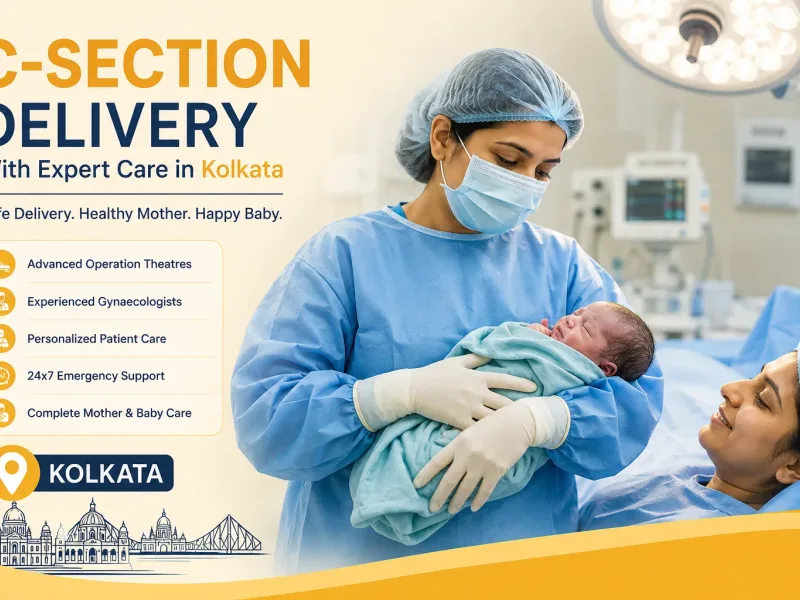
A cesarean section (C-section) is a surgical delivery in which a baby is born through an incision in the mother's abdomen and uterus. In Kolkata, several experienced obstetricians and well-equipped hospitals offer C-section services for planned and emergency deliveries. Understanding when a C-sectio
July 31, 2026
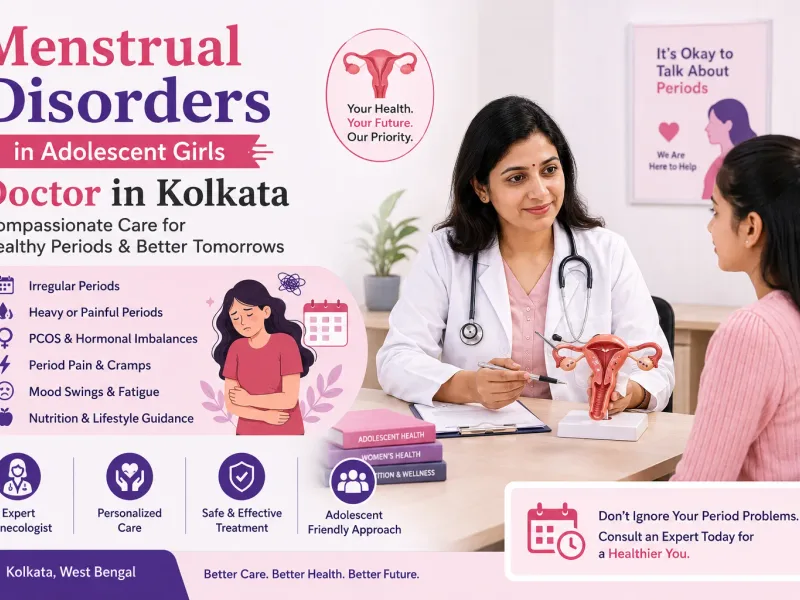
If you are searching for a Menstrual Disorders in Adolescent Girls Doctor in Kolkata, early evaluation by an experienced gynecologist can help identify the underlying cause of irregular or painful periods. While menstrual irregularities are common during the first few years after puberty, persistent
July 31, 2026
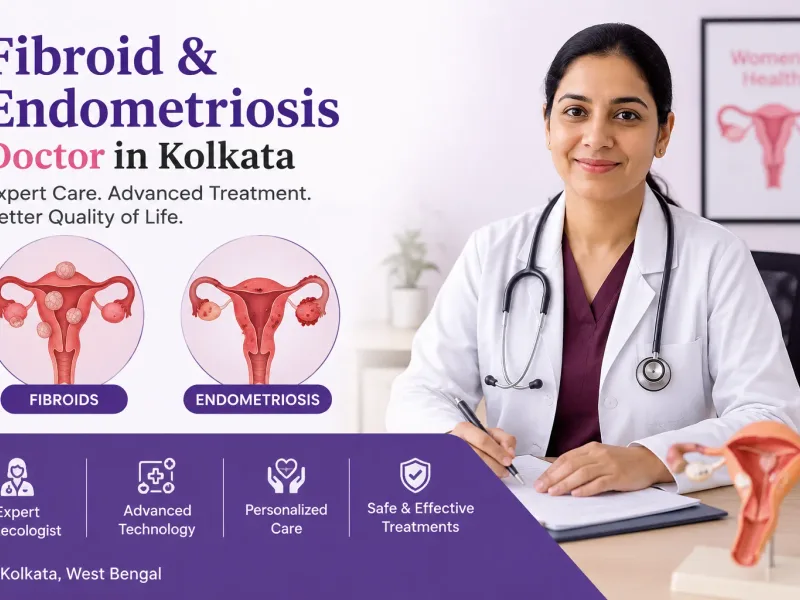
If you are searching for a Fibroid & Endometriosis doctor in Kolkata, choosing an experienced gynecologist with expertise in minimally invasive gynecological surgery is essential. Uterine fibroids and endometriosis are two common but different conditions that can cause pelvic pain, heavy menstrual b
July 31, 2026